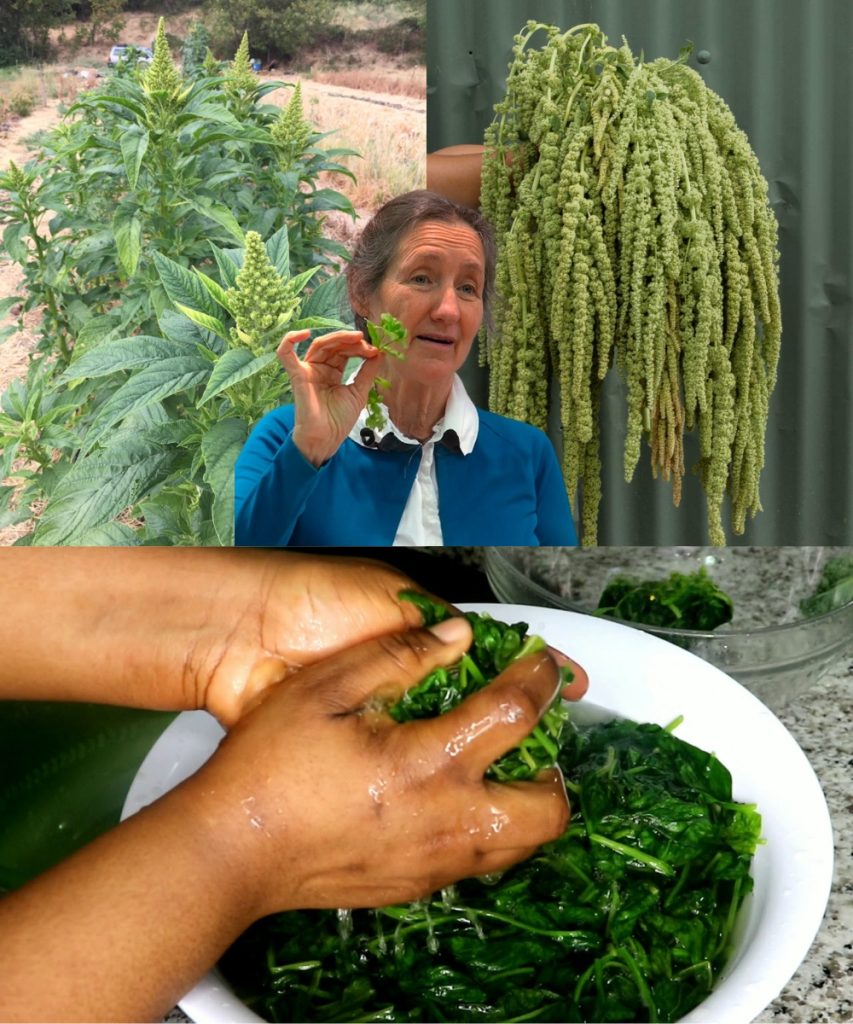

Imagine spotting a vibrant plant in your garden—its ruby-red or golden leaves swaying gently in the wind, catching your eye. You might walk past it, thinking it’s just another weed. But what if that “weed” was actually a hidden wellness hero, cherished for thousands of years? Meet amaranth—a powerful, plant-based food source that’s quietly making a comeback in 2025.
Used by ancient cultures for its strength and resilience, amaranth offers a rare blend of protein, fiber, vitamins, and minerals. Whether you’re into gardening, clean eating, or simply curious about natural wellness, this plant might be the game-changer you didn’t know you needed.
🌱 What Is Amaranth?
Amaranth (Amaranthus spp.) is a highly versatile plant that offers both edible seeds and leafy greens. Its colorful leaves—often red, green, or golden—aren’t just beautiful; they’re incredibly nutrient-rich. Ancient civilizations like the Aztecs considered amaranth sacred for its ability to nourish the body and survive harsh conditions.
Today, it’s gaining new attention as a gluten-free, plant-based superfood that supports health, the planet, and your budget.
🥗 Nutritional Breakdown (Per 100g)
Whether you’re enjoying the leafy greens or the cooked grains, amaranth is packed with nutrients:
-
Complete Protein: ~14g (grains) – contains all 9 essential amino acids
-
Fiber: ~7g (grains), ~2g (leaves) – supports digestion and fullness
-
Vitamin A: ~50% DV (leaves) – for vision and immune strength
-
Vitamin C: ~70% DV (leaves) – helps skin and immune function
-
Iron: ~2.1–2.7mg – supports energy and red blood cells
-
Calcium: ~159mg (leaves) – great for bones and teeth
-
Antioxidants: Includes phenolics and betalains – help combat inflammation
-
Low-Calorie: ~23 kcal (leaves), ~100 kcal (cooked grains)
With this profile, amaranth fits perfectly into modern diets—especially for vegans, vegetarians, and health-conscious eaters.
✨ 6 Proven Benefits of Amaranth
Let’s explore what makes amaranth a star in your wellness routine:
❤️ 1. Promotes heart health
Its fiber and plant compounds may help lower “bad” cholesterol (LDL), support healthy blood pressure, and reduce overall cardiovascular risk.
💪 2. Plant-Based Protein Power
Amaranth is one of the rare plant sources that offers complete protein—perfect for muscle recovery, energy, and strength.
🛡️ 3. Supports Immunity
Packed with vitamins A and C, plus natural antioxidants, amaranth helps your body defend against everyday stressors.
🌿 4. Naturally Soothes Inflammation
The plant’s compounds, especially betalains, have anti-inflammatory properties that may ease joint discomfort and promote balance.
🦴 5. Builds Strong Bones
Loaded with calcium, magnesium, and vitamin K, amaranth helps maintain bone health—especially important as we age.
🍽️ 6. Boosts Digestive Wellness
Thanks to its fiber, amaranth supports regularity, gut health, and helps curb cravings by keeping you full longer.
🥣 6 Delicious Ways to Add Amaranth to Your Diet
Amaranth fits right into your kitchen—sweet or savory. Try these easy ideas:
🥗 Leafy Green Salad
Toss fresh amaranth leaves with cucumber, cherry tomatoes, and lemon dressing.
🍲 Grain Porridge
Cook amaranth grains with almond milk, cinnamon, and berries for a warm, protein-packed breakfast.
🥄 Stir-Fried Greens
Sauté the leaves with garlic and olive oil—simple, quick, and full of flavor.
🍞 Homemade Flatbread
Use amaranth flour with herbs to create your own gluten-free flatbread.
🍹 Smoothie Add-On
Blend a handful of amaranth leaves into your green smoothie for a fiber and vitamin boost.
🥟 Veggie-Stuffed Amaranth
Mix cooked grains with quinoa, herbs, and feta, then stuff into bell peppers for a hearty meal.
🌿 Easy Ways to Make It a Daily Habit
-
Morning Power Bowl: Mix cooked grains with yogurt and fruit.
-
Wraps Upgrade: Use leaves instead of lettuce for extra nutrients.
-
Garden Snack: Pick fresh, tender leaves for a crisp nibble.
-
Evening Grain Salad: Toss with roasted veggies and vinaigrette.
-
Grow Your Own: Amaranth is low-maintenance and thrives in warm, sunny spots.
-
Popped Amaranth: Heat grains in a dry skillet until they pop—add cinnamon for a healthy snack.
🌟 Who Should Consider Amaranth?
Amaranth can benefit nearly anyone, especially:
-
🌱 Plant-based eaters needing a complete protein
-
🏃 Athletes looking for gluten-free fuel
-
🧑🌾 Gardeners and foragers wanting sustainable nutrition
-
💰 Budget-conscious families seeking affordable superfoods
Note: If you’re pregnant, managing chronic conditions, or have digestive sensitivities, start small and consult a health provider before making big changes.
⚠️ Safety Tips for Enjoying Amaranth
Amaranth is generally safe, but a few guidelines can help you enjoy it comfortably:
-
Source Cleanly: Choose pesticide-free leaves or grains from trusted suppliers.
-
Cook Thoroughly: Raw seeds contain anti-nutrients—always cook well.
-
Watch Portions: Too much fiber at once can cause bloating. Start with ½ cup servings.
-
Check Interactions: If you’re on medication for blood pressure or blood sugar, consult your doctor.
🌍 Why Amaranth Deserves a Spot on Your Plate in 2025
Amaranth is no longer just an ancient staple—it’s a modern wellness hero. It’s resilient, sustainable, and nutritionally rich, offering real benefits without trendy gimmicks. Whether you’re stirring it into a smoothie, growing it in your backyard, or adding it to your meals, amaranth has the potential to uplift your health journey in the most natural way.
Have a favorite way to enjoy amaranth? Drop it in the comments below—and don’t forget to share this article with a friend who loves real food with real benefits! 🌿💬