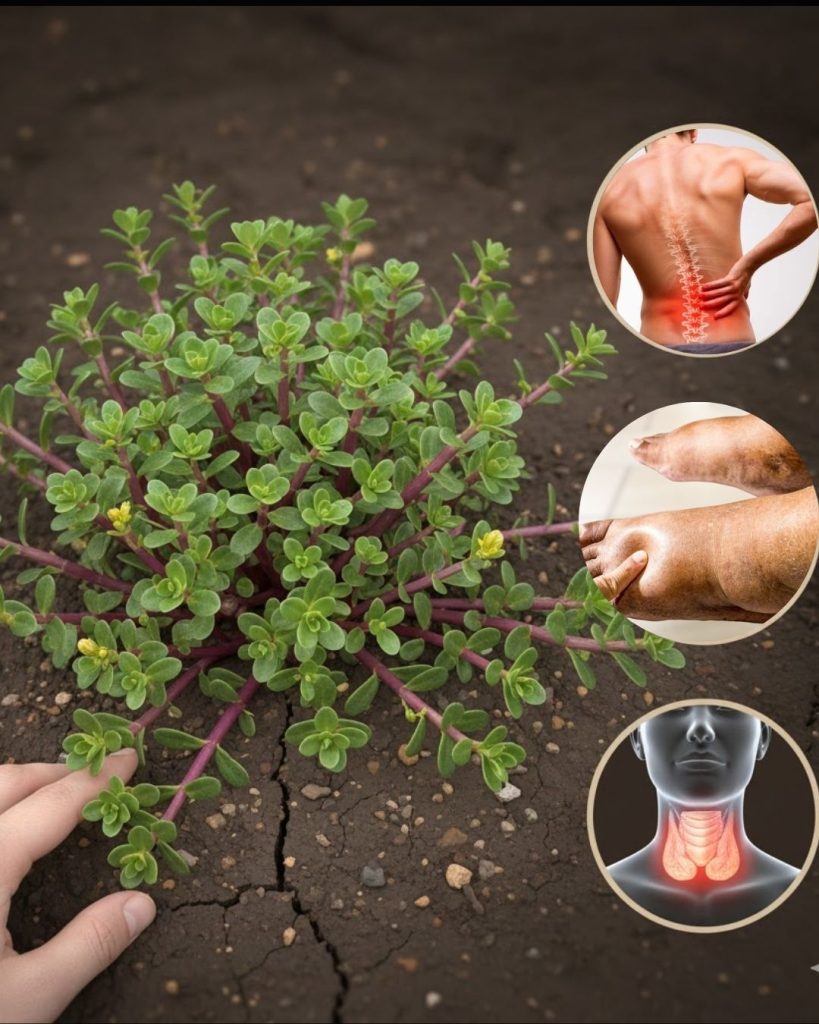

Purslane (Portulaca oleracea) is a leafy green plant that is often considered a weed but actually offers a range of health benefits and uses. Here are ten notable benefits and uses of purslane:
1. Rich in Omega-3 Fatty Acids
Purslane is one of the best plant-based sources of omega-3 fatty acids, which are important for heart health and reducing inflammation.
2. High in Nutrients
Purslane is rich in vitamins and minerals, including vitamin A, vitamin C, vitamin E, magnesium, calcium, potassium, and iron, making it a nutrient-dense food.
3. Antioxidant Properties
The plant contains antioxidants like beta-carotene and vitamin C, which help protect cells from oxidative stress and damage, promoting overall health and reducing the risk of chronic diseases.
4. Supports Heart Health
Purslane’s omega-3 fatty acids and high potassium content help maintain heart health by lowering blood pressure, reducing cholesterol levels, and preventing heart disease.
5. Anti-Inflammatory Effects
The omega-3 fatty acids and other nutrients in purslane have anti-inflammatory properties that can help reduce symptoms of conditions like arthritis and other inflammatory diseases.
6. Diabetes Management
Purslane may help regulate blood sugar levels, making it potentially beneficial for individuals with diabetes. Its fiber content also helps improve insulin sensitivity.
7. Skin Health
The vitamins and antioxidants in purslane, particularly vitamin A, help in skin rejuvenation and may improve skin texture, treat acne, and reduce wrinkles.
8. Digestive Health
Purslane contains mucilage, a type of soluble fiber that helps improve digestion, prevents constipation, and supports a healthy gut environment.
9. Boosts Immune System
Due to its high vitamin C content, purslane helps boost the immune system, making the body more resistant to infections and illnesses.
10. Culinary Uses
Purslane has a mild, slightly tangy flavor and can be eaten raw in salads, cooked as a leafy green vegetable, or used as a thickening agent in soups and stews. Its versatility makes it a great addition to a wide variety of dishes.
How to Use Purslane
- Salads: Add raw purslane to salads for a crunchy texture and a burst of nutrition.
- Smoothies: Blend purslane into smoothies to boost their nutrient content.
- Stir-fries: Cook purslane with other vegetables in stir-fries.
- Soups and Stews: Add it as a leafy green to enhance flavor and nutrition.
- Sandwiches and Wraps: Use purslane as a filling for sandwiches or wraps.
Purslane is a powerhouse of nutrients that can be incorporated into your diet for its numerous health benefits. Whether eaten raw or cooked, it is a versatile ingredient with an array of health-promoting properties.