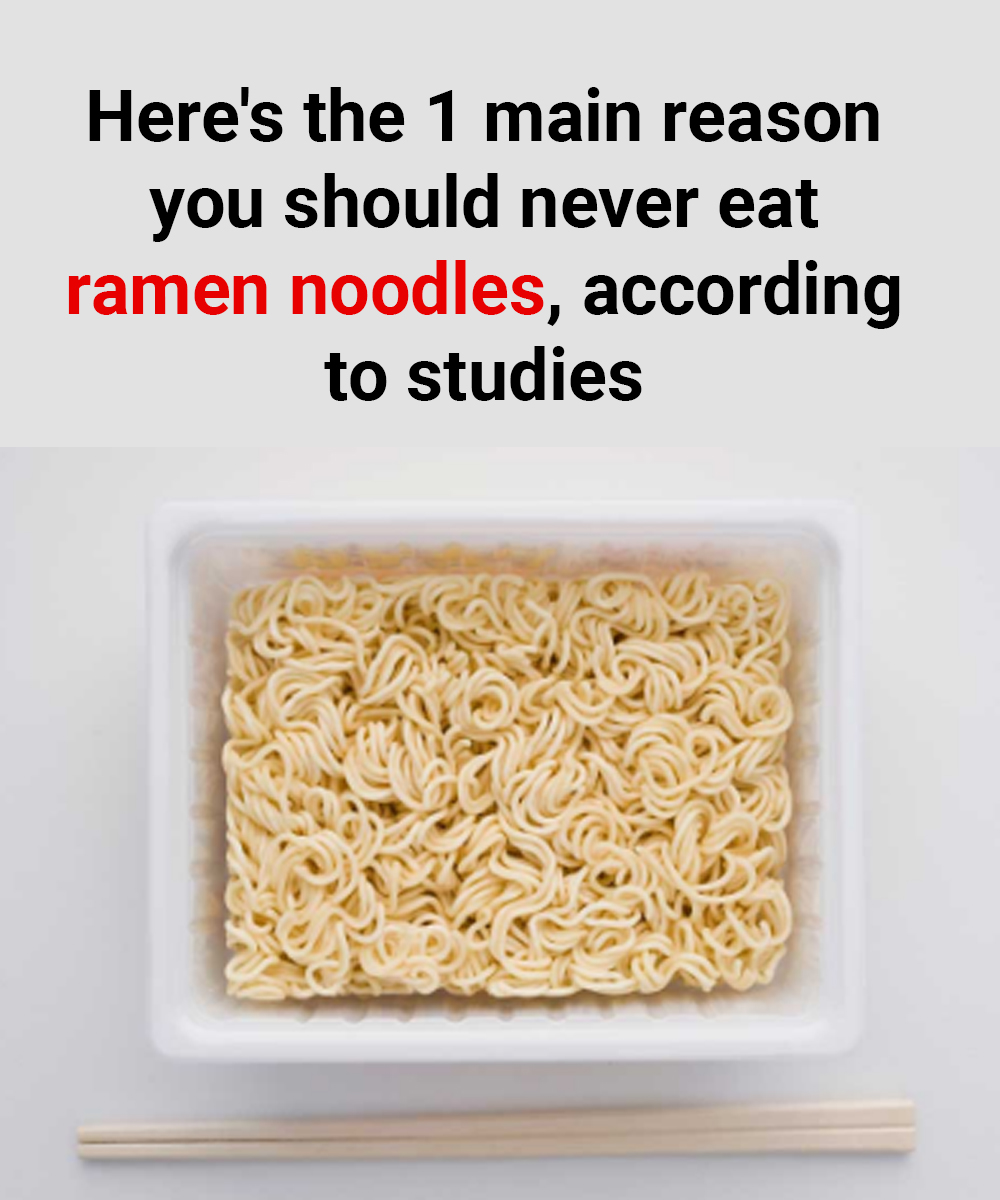
Instant ramen noodles are a popular go-to meal because they’re quick, affordable, and widely available—but in their basic form, they aren’t especially rich in nutrients.
Most types are made with refined flour, which supplies energy but very little fiber, protein, or essential vitamins and minerals. As a result, ramen eaten on its own may leave you hungry again soon and doesn’t offer much in terms of balanced nourishment.
In addition, many brands pre-fry the noodles to achieve their signature texture, increasing the saturated fat content. While small amounts of saturated fat can fit into a healthy diet, frequent intake may not be ideal for heart health.
The flavor packets that come with instant ramen also affect its nutritional profile.

They often contain monosodium glutamate (MSG), which is generally considered safe but can cause mild reactions for some people. The noodles themselves have a high glycemic index, meaning they digest quickly and can cause rapid spikes and drops in blood sugar. This can lead to a brief boost in energy followed by fatigue, especially when the meal lacks protein or fiber.
Some varieties also rely on artificial flavorings or preservatives to maintain taste and shelf life, which may be less appealing to those who prefer minimally processed foods.
Another drawback of instant ramen is that it typically offers very little protein and few vegetables unless you add them yourself.
Without protein sources like eggs, tofu, beans, or lean meats, the meal may feel less satisfying and provide limited support for muscle health. Similarly, the lack of vegetables means missing out on fiber, antioxidants, and key vitamins.
When eaten frequently without additions, ramen can contribute calories without delivering the full range of nutrients your body needs.
Fortunately, instant ramen is easy to upgrade into a more balanced and nourishing dish.
Adding fresh vegetables such as spinach, carrots, mushrooms, or broccoli increases fiber and micronutrient content. Including lean proteins like chicken, eggs, shrimp, or tofu helps keep you full longer and supports steady energy levels.
Many people also swap the seasoning packet for a lower-sodium broth to reduce salt while keeping plenty of flavor.
With a few thoughtful changes, instant ramen can move beyond a simple convenience food and become a satisfying meal that better supports overall health and well-being.