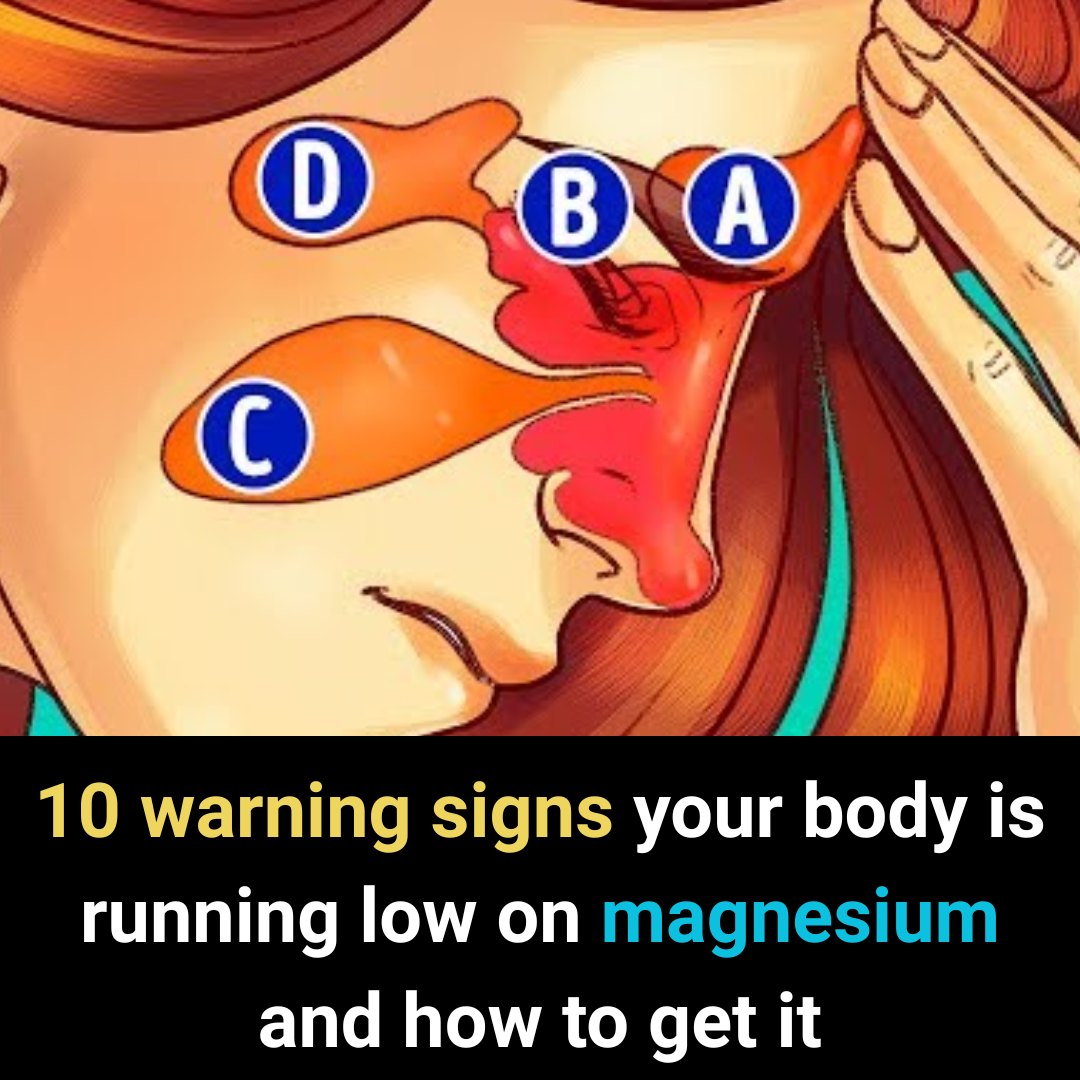
Magnesium is an essential mineral that plays a vital role in hundreds of biochemical reactions in the human body. It supports muscle and nerve function, helps regulate blood sugar levels, maintains a steady heartbeat, and contributes to strong bones. Despite its importance, many people do not get enough magnesium from their daily diet. A deficiency can develop slowly and cause a wide range of symptoms that are often overlooked. Below are ten common warning signs that your body may be running low on magnesium, along with practical ways to restore healthy levels.

One of the earliest signs of magnesium deficiency is muscle cramps or spasms. Magnesium helps muscles relax after contraction, so when levels are low, muscles may tighten painfully, especially in the legs or feet. Along with cramps, muscle twitching or tremors can also occur, signaling problems with nerve and muscle communication.
Another common sign is persistent fatigue or low energy. Magnesium is crucial for producing ATP, the molecule that provides energy to cells. Without enough magnesium, the body struggles to generate energy efficiently, leading to tiredness even after adequate rest.
Magnesium deficiency can also affect mental health. Symptoms such as anxiety, irritability, and mood swings may appear because magnesium plays a role in regulating neurotransmitters and calming the nervous system. In more severe cases, low magnesium levels may contribute to depression or difficulty concentrating.
Poor sleep or insomnia is another warning sign. Magnesium helps activate the parasympathetic nervous system, which promotes relaxation and restful sleep. A deficiency may make it harder to fall asleep or stay asleep throughout the night.
Headaches and migraines can also be linked to low magnesium. This mineral helps regulate blood vessel function and neurotransmitter release in the brain. Research suggests that people who suffer from frequent migraines often have lower magnesium levels.
Irregular heartbeat or heart palpitations may indicate a magnesium shortage as well. Magnesium is essential for maintaining normal heart rhythm. Low levels can disrupt electrical signals in the heart, causing palpitations or an uneven heartbeat.
Digestive problems such as nausea, loss of appetite, or constipation can be another sign. Magnesium helps regulate muscle contractions in the digestive tract, so a deficiency may interfere with normal digestion.
Weak bones or frequent fractures may also be related to low magnesium intake. While calcium is often emphasized for bone health, magnesium is equally important because it helps convert vitamin D into its active form, allowing calcium to be absorbed properly.
Numbness or tingling sensations, especially in the hands and feet, can occur when magnesium levels are too low. This happens because magnesium is involved in nerve signaling and helps maintain healthy nerve function.
Finally, high blood pressure may be associated with magnesium deficiency. Magnesium helps relax blood vessels, improving blood flow. Low levels may contribute to increased vascular tension and elevated blood pressure over time.
To get enough magnesium, focus on a balanced diet rich in whole foods. Excellent sources include leafy green vegetables, nuts, seeds, whole grains, legumes, and dark chocolate. Foods such as spinach, almonds, pumpkin seeds, black beans, and avocados are particularly high in magnesium. In some cases, supplements may be helpful, but they should be taken under the guidance of a healthcare professional to avoid side effects or interactions.
In conclusion, magnesium deficiency can affect many aspects of physical and mental health. Recognizing the warning signs early and making simple dietary changes can help restore balance, improve well-being, and support overall health.