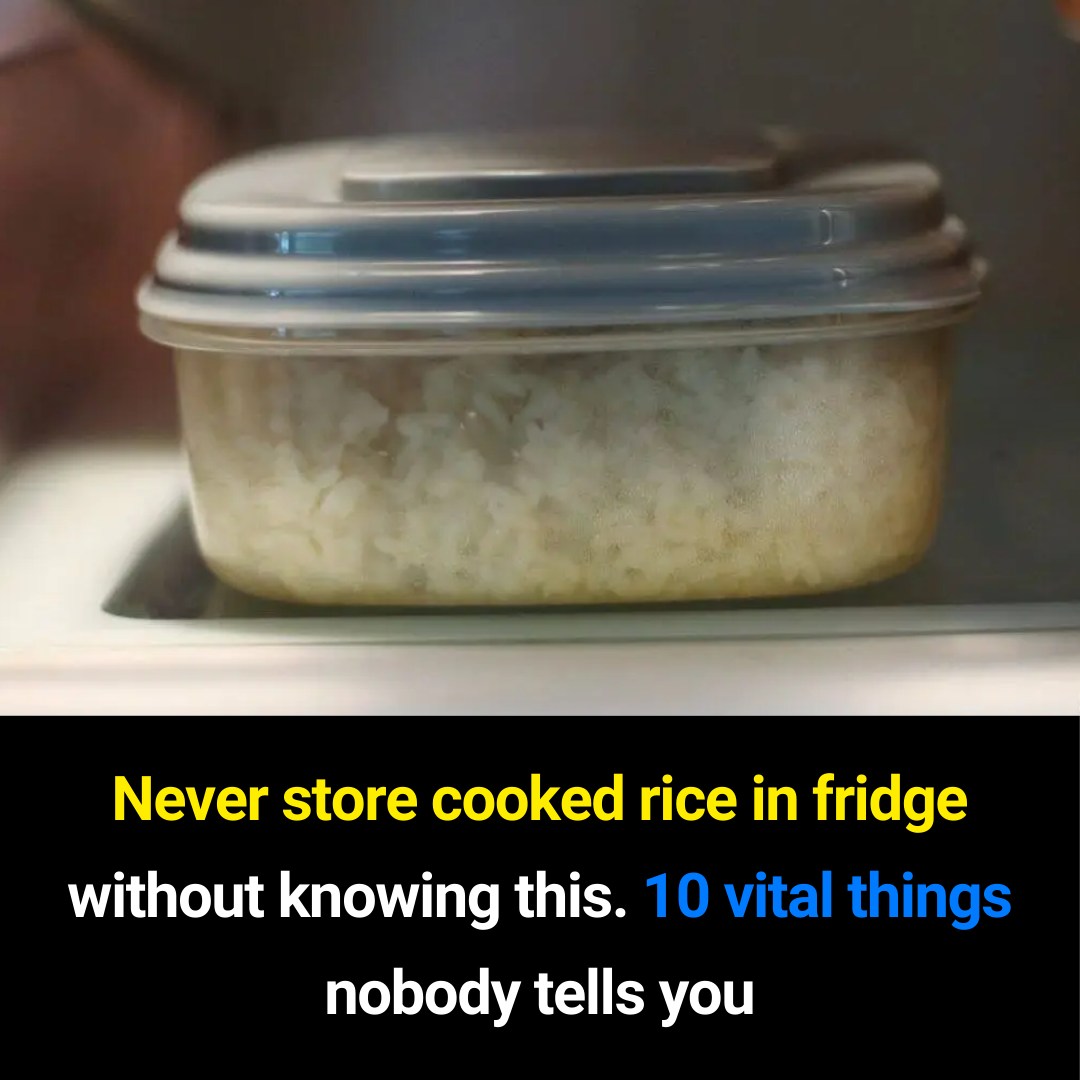
11 Essential Facts About Safely Storing Cooked Rice You Shouldn’t Ignore
Rice is one of the most widely consumed foods in the world, loved for its simplicity, versatility, and ability to pair with almost any meal. However, many people don’t realize that cooked rice can become unsafe if it’s stored incorrectly. While it may seem harmless to place leftover rice in the refrigerator, improper handling can lead to bacterial growth and foodborne illness.
Understanding how cooked rice spoils—and how to store it properly—is the key to keeping your meals both delicious and safe. Below are 11 important things you should know about storing cooked rice, including expert tips and common mistakes to avoid.
1. Why Cooked Rice Spoils So Easily
Cooked rice contains high moisture, making it an ideal environment for bacteria. Even though heat kills most bacteria during cooking, the spores of Bacillus cereus—a common foodborne pathogen—can survive. When cooked rice is left at room temperature, these spores can rapidly germinate and multiply.
Its more neutral pH after cooking also increases the risk of bacterial growth, which is why safe storage is absolutely essential.
2. The Danger of Leaving Rice at Room Temperature
One of the biggest mistakes people make is letting rice sit out too long. Bacteria thrive in the “danger zone” between 40°F (4°C) and 140°F (60°C), doubling every 20 minutes. If rice remains unrefrigerated for more than two hours, it can quickly become unsafe.
Cooling the rice quickly and placing it in the refrigerator is the best way to avoid contamination.
3. Understanding Bacillus Cereus
Bacillus cereus is a bacteria found naturally in soil and common foods like rice. Its spores can withstand cooking temperatures, and once the rice cools, they can produce toxins that cause food poisoning.
Symptoms often include vomiting, nausea, and diarrhea within 6–15 hours after eating contaminated rice. Proper refrigeration is the best way to reduce this risk.
4. How Fast Should You Refrigerate Cooked Rice?
To keep cooked rice safe, refrigerate it within two hours of cooking. In hotter environments (above 90°F / 32°C), aim for one hour.
To help it cool faster, spread the rice on a baking sheet or portion it into shallow containers before placing it into the fridge. Quick, even cooling dramatically reduces the growth of harmful bacteria.
5. The Ideal Temperature for Storing Rice
Cooked rice should be stored at below 40°F (4°C). At this temperature, bacterial activity slows significantly. Using an airtight container not only maintains the rice’s quality but also prevents it from absorbing strong odors from other foods inside the refrigerator.
6. How Long You Can Safely Keep Cooked Rice
Stored properly, cooked rice lasts 4 to 6 days in the refrigerator. After this, spoilage becomes much more likely. Labeling containers with dates can help you keep track.
If you want to store rice longer, freezing is a great option. Frozen rice can last up to six months, and you can reheat it straight from the freezer.
7. Signs That Your Rice Has Gone Bad
Several signs indicate that stored rice should be thrown away:
-
Sour or unpleasant smell
-
Mold growth or strange discoloration
-
Slimy or sticky surface
-
Overly hard, dry texture
Eating spoiled rice can cause serious illness, so when in doubt, always throw it out.
8. The Best Way to Reheat Stored Rice
To reheat rice safely, add a little water and cover it with a microwave-safe lid or damp paper towel. This helps restore moisture and ensures even heating.
Rice can also be reheated on the stovetop with a splash of water. No matter the method, make sure it reaches 165°F (74°C) to kill any bacteria that may have developed.
9. Viral Rice-Storage Hacks: Do They Work?
Popular online hacks—like placing ice cubes on rice during reheating or vacuum-sealing leftovers—can help with texture or shelf life. However, safety should always come first.
If you try any hack, make sure it still keeps the rice at safe temperatures and avoids contamination.
10. Common Mistakes to Avoid
People often make these errors when handling leftover rice:
-
Leaving rice out too long before refrigerating
-
Using non-airtight containers
-
Reheating rice multiple times
-
Storing large portions that cool too slowly
Following proper food-safety steps helps eliminate these risks.
11. Expert Advice for Safe Rice Storage
Food-safety experts recommend cooling rice quickly and storing it in small portions. Keep it in airtight containers and place it in the coldest part of your fridge for best results.
For long-term storage, freeze rice in portioned bags. When reheating, always ensure it reaches 165°F (74°C) before eating. By practicing these habits, you can safely enjoy your rice dishes without worrying about foodborne illness.