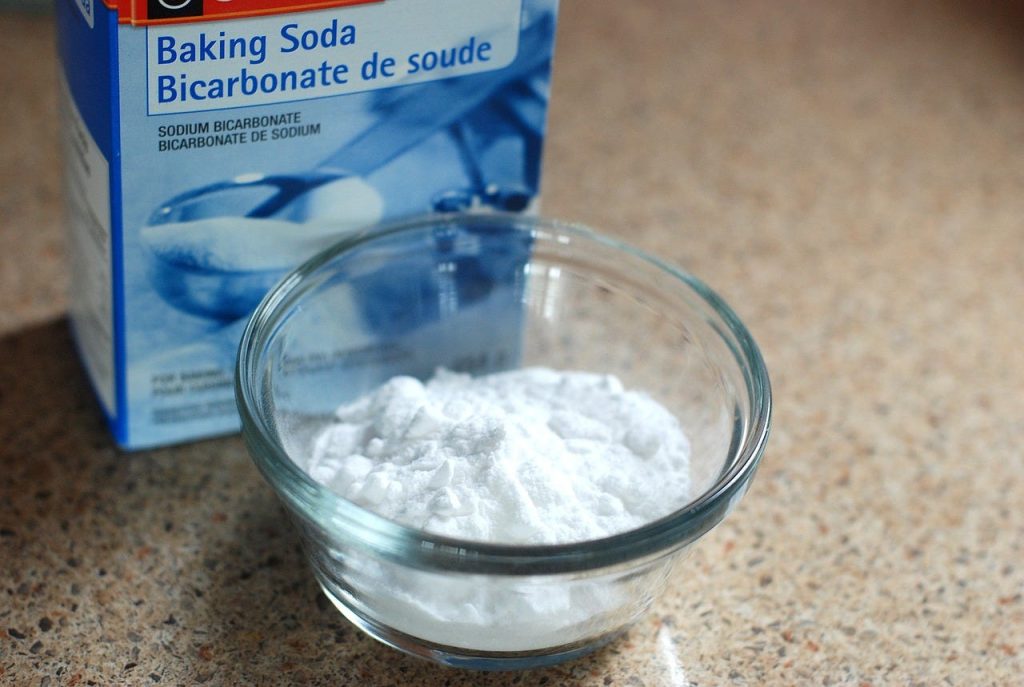

Baking soda is one of those simple household staples that can do far more than help in the kitchen. Many people keep a box in the pantry for baking or deodorizing the refrigerator, but it can also be useful in everyday beauty, hygiene, and self-care routines. From helping manage odor to freshening up certain items around the house, baking soda remains a popular low-cost option for many common needs.
When used carefully, it can offer a simple alternative to some store-bought products. Still, because it is alkaline and can be drying if overused, it is best to use it in moderation and always pay attention to how your skin reacts.
Why Baking Soda Is So Popular
One reason baking soda is so widely used is because it is affordable, easy to find, and versatile. Many people like it because it may help neutralize odors, gently exfoliate rough areas, and assist with simple cleaning or self-care tasks around the home.
At the same time, it is important to remember that natural does not always mean suitable for daily use. Baking soda can be helpful in some situations, but it should be used thoughtfully to avoid dryness or irritation.
1. A Simple Option for Odor Control
Baking soda is often used as a natural way to help manage body odor. Some people mix a small amount with water or coconut oil to create a light paste and apply it sparingly to clean underarms.
Because skin can be sensitive, it is a good idea to patch test first and stop using it if any irritation appears.
2. Soothing Minor Skin Discomfort
For occasional mild itching or minor irritation, some people use baking soda in a bath or as a short-contact paste mixed with water. This is a common home remedy for small everyday discomforts such as insect bites or rough patches on elbows and knees.
It should always be rinsed off well and not left on the skin for too long.
3. Gentle Exfoliation for Rough Areas
Baking soda can also be used as a mild scrub for rough skin on hands, feet, elbows, or knees. When mixed with a small amount of oil or honey, it can help remove dead skin cells and leave the surface feeling smoother.
Because it can be abrasive, gentle pressure is best.
4. Occasional Help With Surface Tooth Stains
Some people use baking soda from time to time to help polish away surface stains caused by coffee, tea, or other foods. It is usually mixed with toothpaste or applied lightly with a wet toothbrush.
This should not be done too often, since overuse may wear down tooth enamel.
5. Refreshing a Foot Soak
Adding baking soda to warm water can make a simple foot soak feel more refreshing. Many people use it to help reduce odor and soften tired feet after a long day.
This can be especially helpful before trimming nails or applying moisturizer.
6. Freshening Shoes
Baking soda is often sprinkled inside shoes to help absorb unpleasant odors. After letting it sit for a while, the excess can be shaken out before wearing them again.
This is one of the easiest and most common ways to use it around the home.
7. Helping Remove Product Buildup From Hair
Some people add a small amount of baking soda to shampoo occasionally to help remove buildup from styling products. This may leave hair feeling cleaner and lighter for some users.
However, because it may also be drying, it is not something to use frequently.
8. Cleaning Makeup Brushes
Baking soda can be used in a gentle cleaning mixture for makeup brushes and beauty tools. It may help loosen residue and keep tools fresher between deeper cleanings.
After washing, brushes should always be rinsed thoroughly and allowed to dry fully.
9. Freshening the Bath
A small amount of baking soda added to bathwater is sometimes used as part of a soothing soak. Many people enjoy it as a simple way to make bath time feel more relaxing and refreshing.
As with any skin-related use, moderation matters.
10. Reducing Odor in Small Household Areas
Baking soda is well known for absorbing odors, which is why it is often placed in bathrooms, closets, laundry baskets, or other small spaces that need a fresher smell.
A small open container can sometimes make a noticeable difference.
11. Pre-Treating Certain Clothing Areas
Some people use a baking soda paste on stained or odorous areas of clothing before washing. It is often used on areas affected by sweat buildup or lingering smells.
Testing on a small hidden area first is a smart step.
12. Mouth Rinse for Temporary Freshness
A small amount of baking soda mixed with water is sometimes used as a mouth rinse to help freshen breath. Because it has a strong taste and is not a substitute for regular oral care, it is usually used only occasionally.
It should not replace brushing, flossing, or professional dental advice.
13. Post-Shave Comfort
A light paste made with baking soda and water is sometimes used briefly after shaving to help calm minor irritation. This is another use that should be approached carefully, especially on sensitive skin.
Short contact and a good rinse are important.
14. Softening Rough Hands
After cleaning, gardening, or household chores, baking soda can be mixed with a little water or oil and used as a quick hand scrub. This may help remove residue and smooth rough skin.
Following up with hand cream can help prevent dryness.
15. A Budget-Friendly Addition to Everyday Routines
One of the biggest reasons people continue to use baking soda is simply because it is inexpensive and multipurpose. Instead of buying separate products for every small task, some women like having one simple item that can be used in different ways around the home and in personal care.
Important Safety Notes
Baking soda can be useful, but it is not ideal for constant use on the skin, face, scalp, teeth, or other sensitive areas. Because it is alkaline, overuse may disrupt the skin’s natural balance and lead to dryness or irritation.
It is best to patch test before trying it on the body, avoid using it on intimate areas, and stop immediately if discomfort occurs. For ongoing skin, scalp, or dental concerns, professional advice is always the safer choice.
Final Thoughts
Baking soda remains one of the most practical and affordable household staples for a reason. From helping with odor control to refreshing beauty tools and smoothing rough skin, it offers many simple uses that can fit into everyday routines.
The key is to use it wisely and not overdo it. When handled with care, this basic pantry item can become a handy part of both home care and self-care.
Disclaimer: This article is for informational purposes only and is not a substitute for medical, dental, or dermatological advice. Results may vary, and some people may experience irritation. Always patch test first and consult a qualified professional if you have concerns.