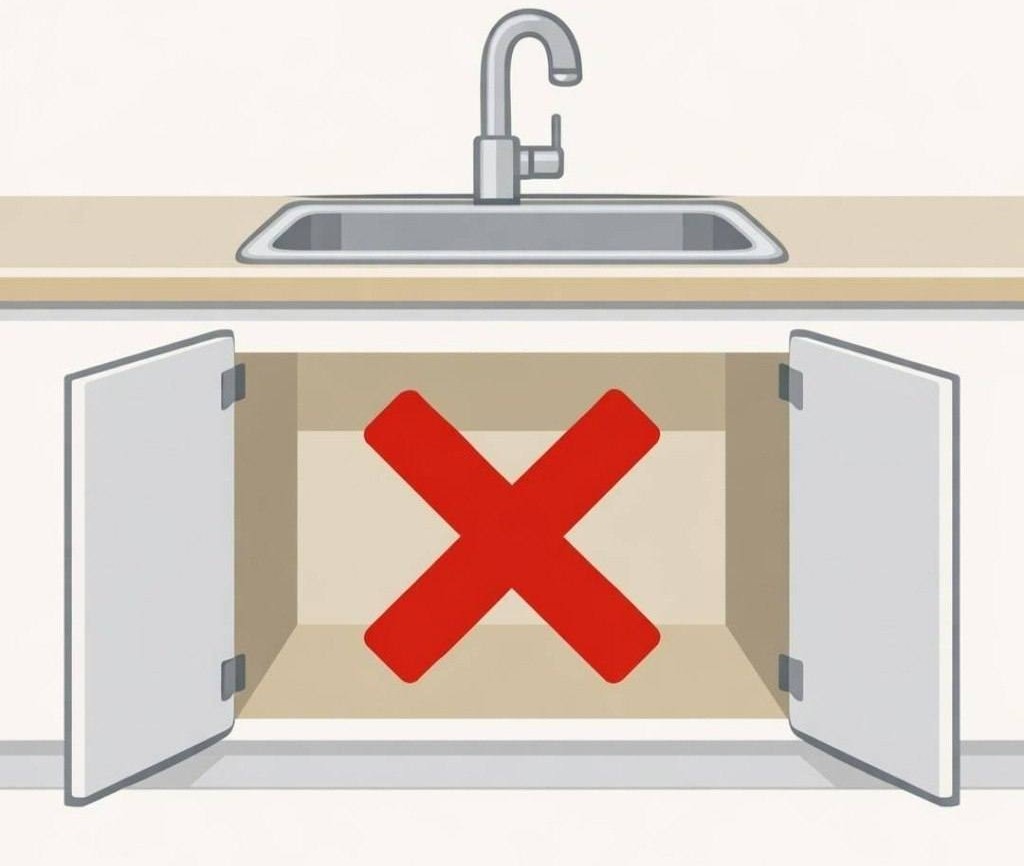

The cabinet under the kitchen sink often becomes a catch-all storage space for household items. It may seem convenient for keeping cleaning supplies, paper products, or extra containers out of sight, but this area is not always the safest place to store everyday items.
Because it is located near plumbing, the space under the sink is often exposed to moisture, humidity, and occasional leaks. Over time, this environment can affect the condition of certain products and create unnecessary risks in the home.
Why the Area Under the Sink Can Be Problematic
The cabinet under the sink may look like a practical storage spot, but it is usually warm, damp, and poorly ventilated. Even a small leak can go unnoticed and damage the items stored there. This is especially important when storing products that can absorb moisture, break down over time, or become unsafe when kept near household chemicals.
To keep your kitchen safer and better organized, here are five things that are best stored somewhere else.
1. Strong Cleaning Chemicals
Heavy-duty cleaners such as bleach, drain openers, and oven cleaners should not be stored carelessly under the sink, especially if multiple products are kept together. Some chemical products can become dangerous if they leak, spill, or are accidentally mixed.
A safer option is to store these items in a secure, well-ventilated cabinet that is out of reach of children and pets.
2. Paper Products
Paper towels, napkins, and reusable paper bags may seem harmless, but they can easily absorb moisture in a damp cabinet. This can lead to unpleasant odors, mildew, or deterioration over time.
It is better to keep paper goods in a dry pantry, drawer, or storage closet where they stay clean and protected.
3. Food Items
Even sealed food packages should not be stored under the kitchen sink. Moisture, leaks, and exposure to nearby cleaning products can affect food packaging and reduce freshness. In some cases, damp conditions may also attract pests.
Dry food should always be stored in a cool, clean, and dry place, preferably in sealed containers.
4. Medications and First-Aid Supplies
Medicine and basic first-aid items should also be kept away from this area. Heat and humidity may affect the quality of medications, while moisture can damage bandages, antiseptic pads, and other supplies.
A bedroom drawer, hallway cabinet, or linen closet is usually a much better place for these items.
5. Plastic Food Containers
Plastic food storage containers are another item people often place under the sink. However, this space can trap moisture, which may lead to unpleasant odors or buildup over time. Since these containers are used for food, they should be stored in a clean and dry cabinet instead.
Better Ways to Use the Under-Sink Cabinet
If you want to use the space under the sink more safely, keep only a few basic items there, such as dish soap, sealed trash bags, or cleaning tools that are used regularly. It is also helpful to check for leaks often and keep the cabinet clean and dry.
Final Thoughts
The area under your kitchen sink may seem like a convenient place to store extra household items, but not everything belongs there. Choosing safer storage spots for chemicals, food, paper goods, medications, and plastic containers can help reduce risk and keep your kitchen more organized.
A quick check of what is currently stored under your sink can make a big difference in creating a cleaner and safer home.