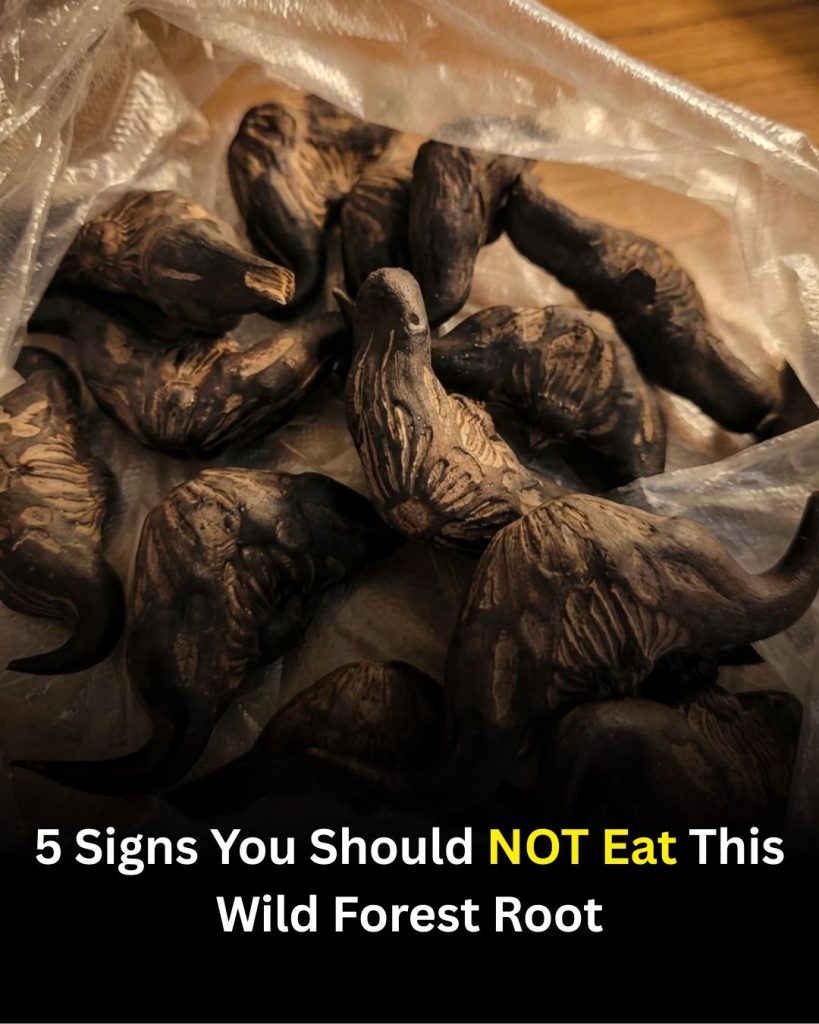

Wild forest roots have historically been used as survival foods or in traditional practices. While they can be part of cultural knowledge, eating wild plants without proper identification and preparation can carry risks. Today, many experts recommend caution when foraging, since some roots resemble edible varieties but contain natural compounds that may cause irritation or illness if handled or prepared incorrectly.
Some wild roots look similar to familiar foods like yams or ginger, which can make identification difficult. Below are five common warning signs that suggest a wild root may not be safe to consume. These tips are general safety guidance and not a substitute for professional foraging training.
1. It Irritates Your Skin on Contact
If touching a raw root causes itching, burning, redness, or numbness, it’s best to avoid it. Some plants contain natural irritants that can affect the skin or mouth. Skin reactions can be a sign that the plant has defensive compounds.
2. You Cannot Identify the Species
One of the most important rules of foraging is accurate identification. Many edible and non-edible roots look alike. Without clear knowledge of the plant’s species and safe preparation methods, it’s safer not to consume it.
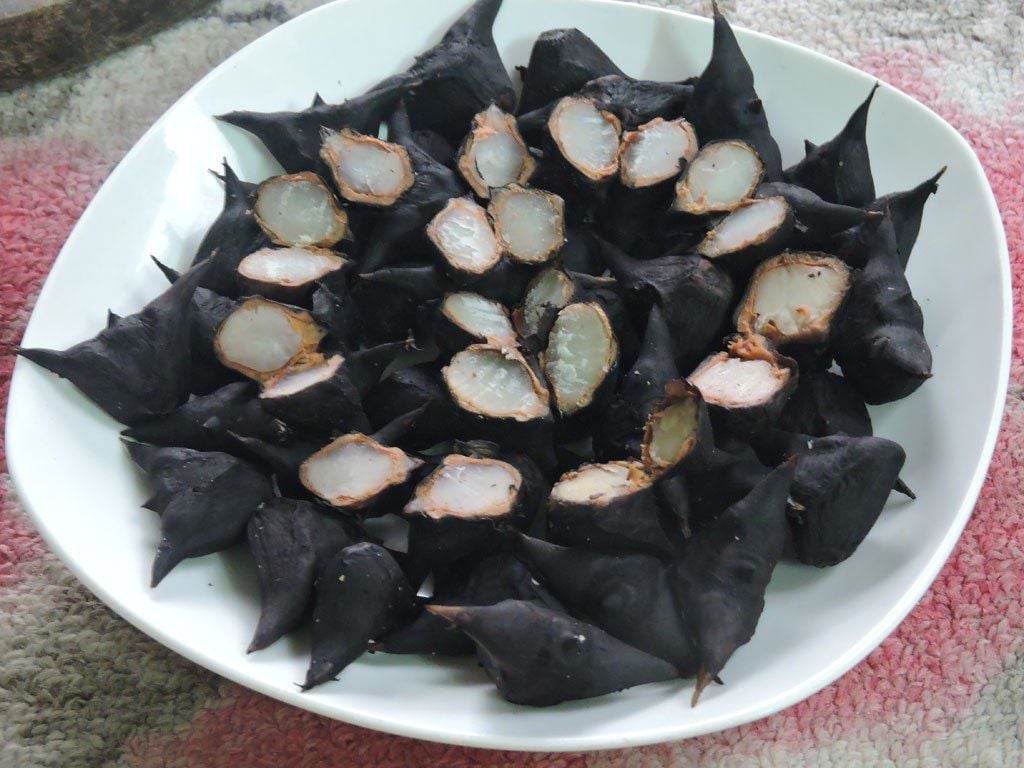
3. It Requires Complex Preparation to Be Considered Edible
If a root is said to require long soaking, repeated boiling, or other detailed steps to reduce natural compounds, caution is advised. Proper preparation can be very specific, and mistakes can affect safety.
4. It Has a Very Bitter or Numbing Taste
Strong bitterness or unusual sensations can sometimes indicate naturally occurring plant chemicals. If a food tastes unpleasant or causes tingling or numbness, it’s wise not to continue eating it.
5. You Have Health Considerations
People who are pregnant, very young, older, or managing medical conditions may be more sensitive to unfamiliar foods. When in doubt, consulting a qualified professional before trying wild plants is recommended.
Final Thoughts
Wild plants are part of nature and cultural traditions, but they require knowledge and care. “Natural” does not always mean suitable for everyone. If you are unsure about a plant, the safest choice is to avoid eating it and rely on trusted food sources or trained guides. Caution and proper education are key to safe foraging.