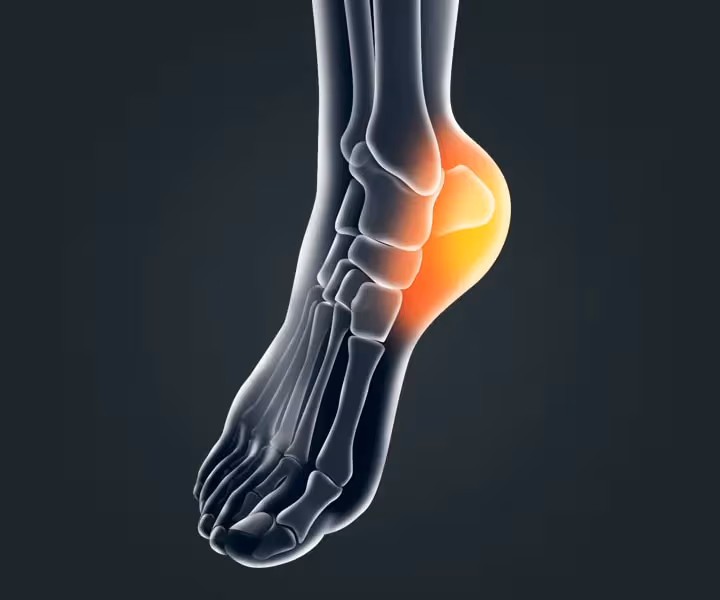
Waking up with sharp heel pain can make the first steps of the morning feel almost unbearable. If the pain is strongest when you get out of bed or after sitting for a long time, plantar fasciitis may be the reason.
Plantar fasciitis is one of the most common causes of heel pain. It happens when the plantar fascia, the thick band of tissue that runs along the bottom of the foot, becomes irritated or inflamed.
The good news is that simple stretches and strengthening exercises may help reduce pain, improve flexibility, and support recovery. With consistency, these movements can also help prevent future flare-ups.
What Is Plantar Fasciitis?
The plantar fascia supports the arch of the foot and helps absorb pressure while walking, running, and standing. When this tissue is overstretched or strained, tiny tears and inflammation may develop.
This can cause sharp, stabbing pain near the heel. Many people notice it most in the morning, during the first few steps after getting out of bed. The pain may also return after long periods of sitting, standing, or walking.
People at higher risk include runners, people who stand for many hours at work, those with tight calf muscles, people with flat feet or high arches, and anyone wearing shoes without enough support.
1. Towel Stretch
The towel stretch is a gentle way to stretch the calf and the bottom of the foot. It is especially useful in the morning before standing up.
How to do it:
Sit on the floor or bed with your legs stretched in front of you. Loop a towel, belt, or strap around the ball of your foot. Gently pull the towel toward your body until you feel a stretch in your arch and calf.
Hold the stretch for 15 to 30 seconds. Repeat 2 to 3 times on each foot.
2. Calf Stretch
Tight calf muscles can place extra strain on the plantar fascia. Stretching the calves may reduce pressure on the heel and support better foot movement.
How to do it:
Stand facing a wall with both hands resting against it. Step one foot back and keep that heel flat on the floor. Bend your front knee while keeping the back leg straight.
You should feel a stretch in the calf of the back leg. Hold for 15 to 30 seconds, then switch sides. Repeat 2 to 3 times per side.
3. Plantar Fascia Stretch
This stretch directly targets the tissue along the bottom of the foot.
How to do it:
Sit in a chair and cross the affected foot over the opposite knee. Hold your toes and gently pull them back toward your shin.
You should feel a stretch along the arch of the foot. Hold for 15 to 30 seconds. Repeat 2 to 3 times on each side.
4. Ball Roll Massage
Rolling the foot over a ball or frozen water bottle can help loosen tight tissue and provide a gentle massage to the arch.
How to do it:
Sit in a chair with your feet flat on the floor. Place a tennis ball, golf ball, or frozen water bottle under your foot. Slowly roll it back and forth from the heel to the ball of the foot.
Continue for 1 to 2 minutes. Repeat several times a day, especially after standing, walking, or exercise.
5. Toe Taps
Toe taps help strengthen the small muscles in the feet that support the arch.
How to do it:
Sit in a chair with both feet flat on the floor. Keep your heels down and lift your toes upward toward your shins. Hold briefly, then lower them back down.
Perform 10 to 15 repetitions. Complete 2 to 3 sets.
6. Foot Flex and Point
This simple movement improves ankle mobility and helps activate the muscles that support the foot and lower leg.
How to do it:
Sit with your legs extended in front of you. Flex your toes back toward your shin and hold for 5 seconds. Then point your toes forward and hold for 5 seconds.
Repeat 10 to 15 times on each foot.
7. Ankle Circles
Ankle circles help improve mobility and may reduce stiffness in the foot and ankle.
How to do it:
Sit or lie down and extend one leg. Slowly rotate your ankle in a circle 10 times clockwise. Then rotate it 10 times counterclockwise.
Repeat with the other foot.
When Should You See a Doctor?
Mild plantar fasciitis often improves with rest, stretching, proper footwear, and consistent care. However, professional help may be needed if the pain does not improve after a few weeks.
You should speak with a healthcare provider or physical therapist if the pain is severe, lasts more than several weeks, gets worse, or makes it difficult to walk normally.
A professional may recommend custom orthotics, night splints, physical therapy, shockwave therapy, or other treatments depending on the cause and severity.
Tips to Prevent Plantar Fasciitis
Choosing the right daily habits can help protect your feet and reduce the risk of future pain.
Wear shoes with good arch support and cushioning. Avoid walking barefoot on hard floors for long periods. Stretch your calves and feet before and after exercise. Replace worn-out shoes when they lose support.
Maintaining a healthy weight may also reduce stress on the feet. If you exercise regularly, increase activity slowly instead of making sudden changes in distance, speed, or intensity.
Final Thoughts
Plantar fasciitis can be painful and frustrating, but daily stretching and strengthening can make a real difference over time. These simple exercises help loosen tight muscles, support the arch, and reduce strain on the heel.
The key is consistency. A few minutes each day may help relieve discomfort and protect your feet from future flare-ups.
Listen to your body, avoid pushing through sharp pain, and seek medical guidance if symptoms continue.
Disclaimer: This article is for educational purposes only and does not replace medical advice. If you have ongoing heel pain, severe pain, swelling, numbness, or difficulty walking, consult a qualified healthcare provider or physical therapist.