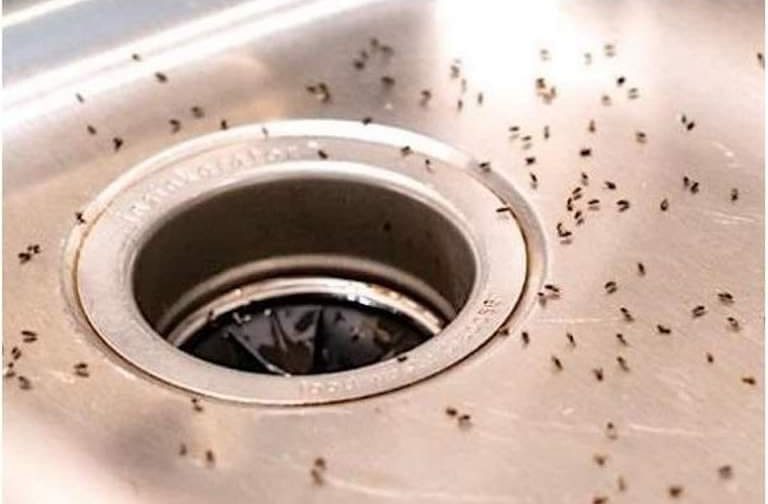

Midges in the kitchen can quickly become a frustrating problem, especially when they seem to appear out of nowhere and multiply fast. These tiny insects are often attracted by food, moisture, fruit, dirty dishes, and even the trash. The good news is that you do not always need harsh chemicals to get rid of them. There are several simple and natural ways to reduce their presence and keep your kitchen cleaner and more comfortable.
One of the most important steps is to avoid leaving food uncovered. Midges are attracted to anything edible that is left out in the open. After meals, store leftovers in the refrigerator and cover them properly. Even small crumbs or pieces of fruit on the counter can attract these pests, so keeping surfaces clean is essential.
Another helpful habit is washing the dishes right away. Dirty plates, glasses, and utensils left in the sink create the perfect environment for midges. Food residue and moisture together make an ideal breeding ground. If you have a dishwasher, place the dishes inside and keep it closed until you run a cycle. This simple habit can make a big difference.
Trash bins should also be emptied regularly. Kitchen garbage is one of the main places where midges gather because it provides both food and shelter. Use a trash can with a lid, take out the garbage often, and clean the bin regularly to remove odors and buildup. If you keep compost in the kitchen, make sure it is well covered too.
If you have herbs or houseplants in the kitchen, check their condition often. Plants like basil, parsley, and chives are great to have indoors, but when they start to rot or the soil stays too damp, they can attract midges. Removing plants in poor condition can help reduce the problem before it spreads.
Fruit bowls are another common source of attraction. While fresh fruit looks beautiful on the counter, ripe produce can easily draw in midges. To help keep them away, some people place garlic cloves or whole cloves near the fruit bowl. These strong natural smells may help repel insects and make the area less inviting.
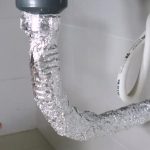
Drains and pipes are also worth checking. Since midges are drawn to damp places, sink drains can become a hidden breeding area. Cleaning the pipes with white vinegar and baking soda can help freshen the drain and reduce buildup where larvae may develop. Regular drain maintenance is an easy way to prevent future infestations.
For a more direct solution, you can make a natural trap using white vinegar and a few drops of dishwashing liquid. Pour the mixture into a small bowl and place it near fruit or another area where midges gather. The smell attracts them, while the soap breaks the surface tension and traps them.
Getting rid of kitchen midges naturally is possible with a few simple habits and ingredients you probably already have at home. By keeping food covered, cleaning quickly, maintaining drains, and using natural repellents, you can create a kitchen environment that is far less inviting to these unwanted guests.