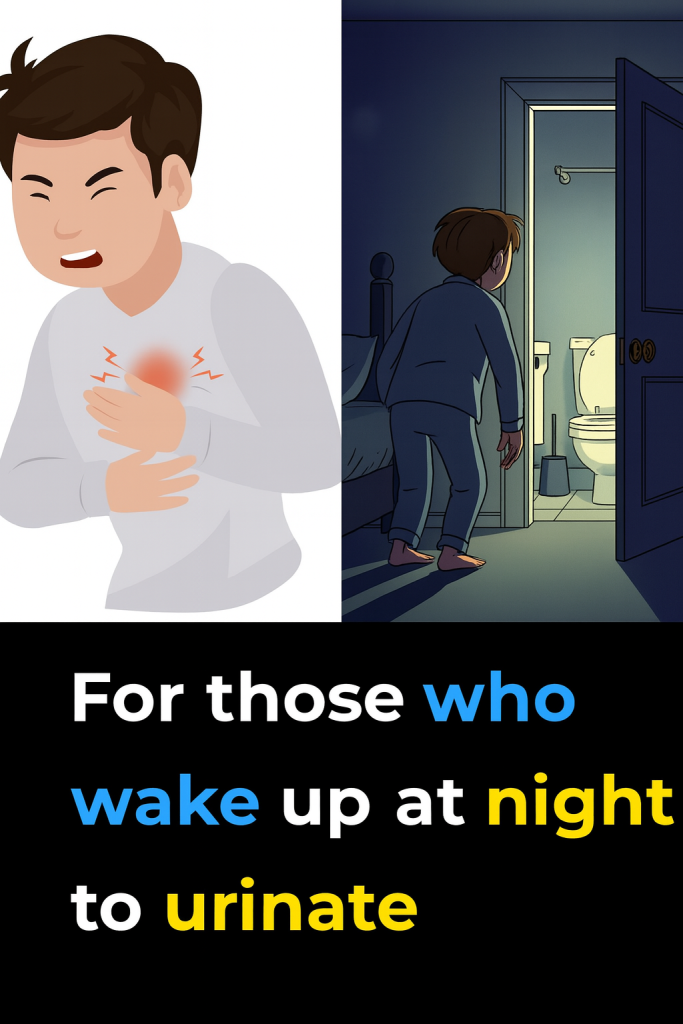

While it’s not uncommon for us to get up once in a while during the night to use the washroom, research suggests that getting up too frequently may be an indication of hypertension [1]. Frequent nightly urination, also known as nocturia is associated with and can be one of the early symptoms of congestive heart failure [2][3].
Why We Get Up To Pee At Night
Typically we should be able to get between 6 to 8 hours of uninterrupted sleep each night. However, those who wake up to urinate frequently, do not have a normal sleep cycle. There are many reasons why you might get up to pee at night: [4]
- High fluid intake
- Drinking alcohol or caffeine at night
- Small bladder capacity
- High blood pressure [2],[1]
- Untreated diabetes (Type 1 and Type 2)
- Pregnancy
- Water retention
- Sleep apnea
- Benign prostatic hyperplasia (BPH) in men [5]
- Certain drugs such as diuretics, cardiac glycosides, demeclocycline, lithium, methoxyflurane, phenytoin, propoxyphene, and excessive vitamin D [4]
Read More: Group in Boulder Drinks Their Own Pee for ‘Health Benefits’
How Are Late Night Bathroom Trips Linked To High Blood Pressure
More recently, a study by researchers in Japan found that the number of bathroom trips during the night could be associated with high blood pressure [1]. The study was presented on March 30th, 2019 at the 83rd Annual Scientific Meeting of the Japanese Circulation Society (JCS 2019).
In this study, 1,882 participants completed a health questionnaire, of these people 1,295 got up to pee at least once per night, on average. Those who got up to urinate at least once per night were linked with a 40 percent greater chance of having hypertension.
Read More: Why You Should Pee In The Shower
The Link Between Salt & High Blood Pressure

In Japan, where this study took place, there is a dire need to further highlight the link between high sodium intake and high blood pressure. The average salt intake in Japan is approximately 10 grams a day [6]. This is more than double the average salt intake worldwide, which is 4 grams per day.
Excessive salt intake and high blood pressure are key risk factors in the development of cardiovascular disease [7], stroke, and heart failure [8]. Previous studies have already shown this connection that a diet high in salt is associated with having to urinate more often at night [9]. Going to the bathroom once in a while during the night may be normal, however, going two or more times more may be indicative of your state of health.
What Should You Do?
Hypertension is a risk factor for so many diseases including heart disease, stroke, kidney disease, and heart failure. With this information, it is in our best interest to reduce/eliminate high-sodium foods coming from packaged and processed foods, in our efforts to prevent. If you suffer from nocturia or feel that you do, consult with your doctor. Addressing its underlying cause could be life-saving.