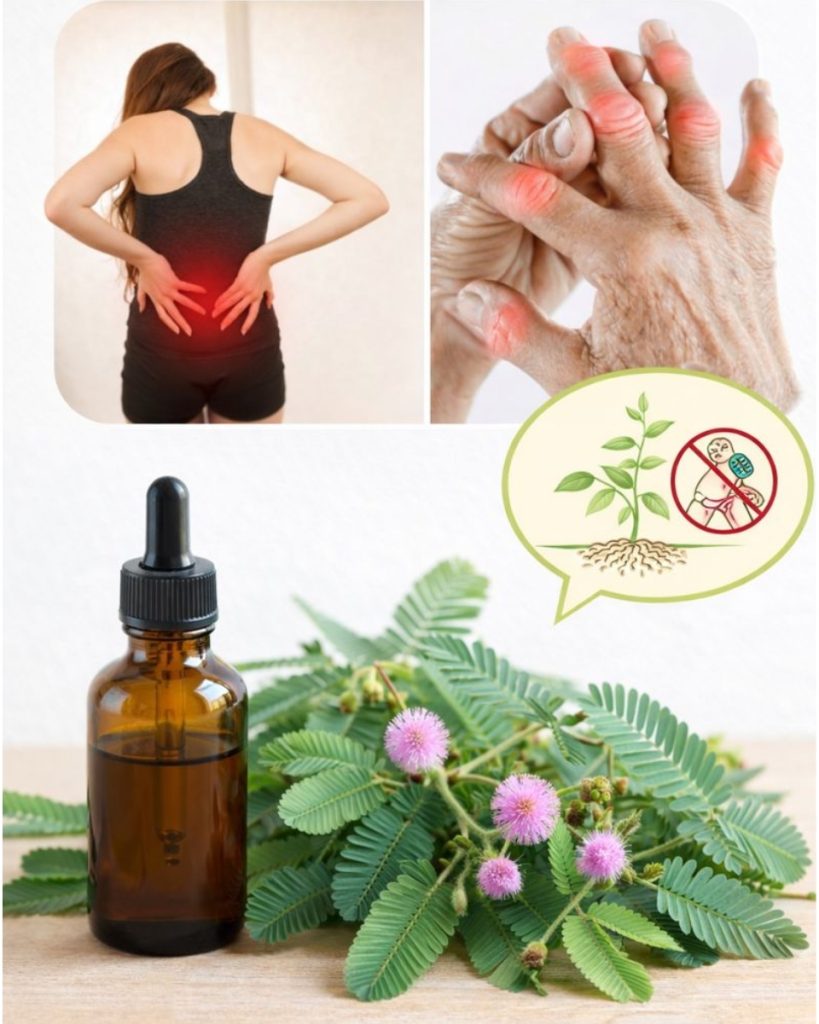

Mimosa pudica, commonly known as the sensitive plant, “touch-me-not,” or “dormideira” in Portuguese, is far more than a fascinating plant that folds its leaves when touched. Native to Central and South America, this humble herb has been valued for centuries in traditional wellness practices across many cultures.
While its unique movement makes it popular with children and plant lovers, the real interest lies in how Mimosa pudica has traditionally been used to support overall well-being. Below, we explore 10 gentle health-supporting benefits and simple ways to include it in a balanced, mindful routine.
10 Gentle Health Benefits of Mimosa pudica
1. Supports a Balanced Inflammatory Response
Traditionally, Mimosa pudica has been used to help the body maintain a healthy inflammatory balance. When applied externally or used as a tea, it may support comfort in muscles and joints after daily activity.
2. Liver Wellness Support
In traditional herbal systems, this plant has been associated with supporting natural liver function. It has often been used as part of gentle detox routines aimed at overall vitality.
3. Digestive Comfort
Mimosa pudica has long been used to support digestive regularity. Its mild properties may help soothe the digestive tract and support comfortable bowel function when used responsibly.
4. Natural Cleansing Properties
Historical use suggests that Mimosa pudica contains natural compounds that help the body maintain microbial balance, making it a popular choice in traditional skin and hygiene practices.
5. Promotes Calm and Relaxation
Many traditional cultures have used Mimosa pudica to encourage relaxation. Its gentle nature may help support a calm mind, especially when included in evening herbal routines.
6. Oral Care Support
Thanks to its traditional cleansing use, Mimosa pudica has been used as a natural rinse to help maintain fresh breath and healthy gums.
7. Skin Recovery Support
Applied externally, Mimosa pudica has traditionally been used to support the skin’s natural recovery process, especially for minor irritations or after insect bites.
8. Women’s Monthly Comfort
In traditional herbal practices, Mimosa pudica has been used to help support comfort during monthly cycles and promote a sense of balance.
9. Digestive & Rectal Comfort
Its soothing properties have also been traditionally applied in routines aimed at easing discomfort associated with prolonged sitting or digestive strain.
10. Antioxidant Support
Mimosa pudica naturally contains plant compounds that help the body manage oxidative stress, supporting long-term wellness and daily resilience.
How to Use Mimosa pudica: 5 Simple, Traditional Methods
1. herbal tea
A gentle way to enjoy Mimosa pudica.
How to prepare:
Simmer 1 teaspoon of dried leaves in 1 cup of water for 10 minutes. Strain and allow to cool slightly before drinking.
2. Topical Paste (Poultice)
Traditionally used for skin comfort.
How to use:
Crush fresh leaves and stems into a paste. Apply to the desired area, cover with clean cloth, and rinse after a few hours.
3. Herbal Mouth Rinse
For daily oral hygiene support.
How to prepare:
Boil a handful of leaves in water, let cool, strain, and use as a gentle rinse.
4. Relaxing Herbal Bath
Ideal for unwinding after a long day.
How to prepare:
Add a handful of dried leaves or a few drops of extract to warm bathwater and soak for 20–30 minutes.
5. Powder or Capsules
For convenience and consistency.
How to use:
Always follow the dosage instructions provided by the manufacturer, as concentrations may vary.
Important Disclaimer
Mimosa pudica is traditionally used as part of holistic wellness practices. It is not intended to diagnose, treat, cure, or prevent any disease. Pregnant or breastfeeding individuals, or those with medical conditions, should consult a qualified healthcare professional before use. Moderation and responsible use are essential.
Final Thoughts
Mimosa pudica is more than a curious plant—it is a time-honored botanical that has supported wellness traditions for generations. When used thoughtfully and responsibly, it can be a gentle addition to a natural lifestyle focused on balance, calm, and overall well-being.
As with all herbs, respect its power, listen to your body, and seek professional guidance when needed 🌿