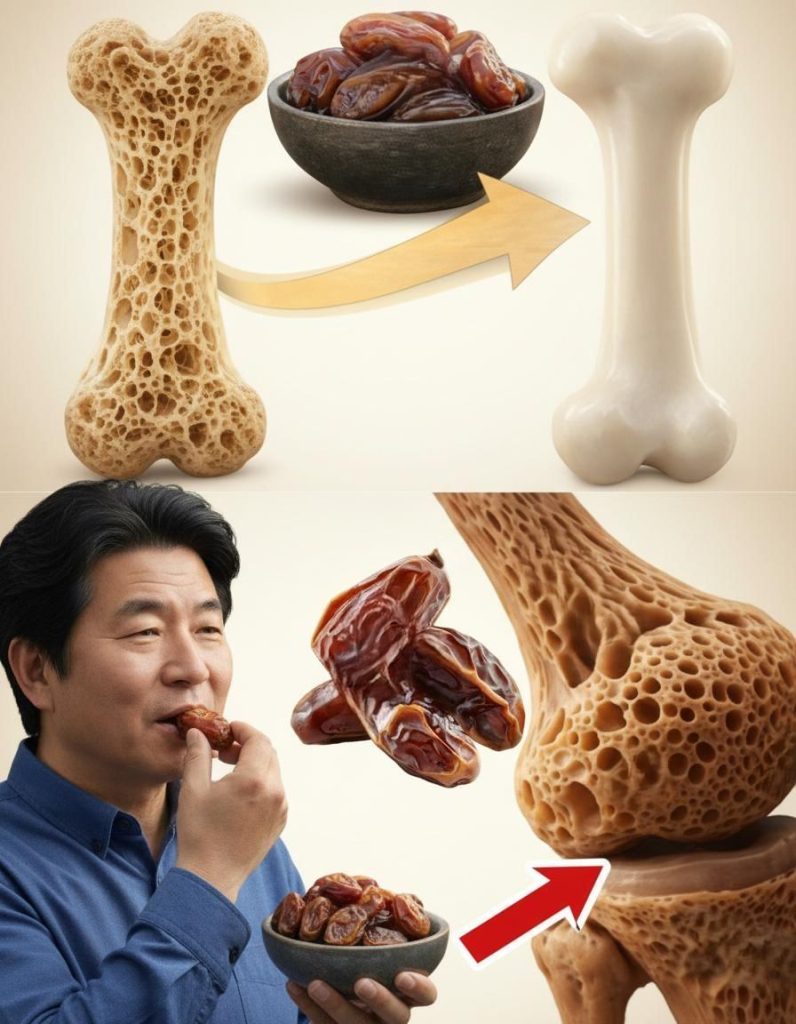

Have you noticed more stiffness when getting out of bed, or mild discomfort in your hips or lower back after simple movements? As we age, these subtle signs often raise an important question: are our bones getting the nutrients they need?
Now imagine adding a naturally sweet, soft, caramel-flavored snack to your daily routine — one that delivers key minerals while offering a moment of simple enjoyment. The aroma of dates in the kitchen, the satisfying bite, and the steady energy they provide are appreciated by many older adults around the world.
But can dates really play a role in supporting bone health? Let’s explore what nutrition science and traditional dietary wisdom suggest — always keeping moderation and professional guidance in mind.
Bone Density Loss: A Quiet Challenge With Age
Bone density tends to decline gradually over time, especially after the age of 50. This process can increase the risk of fractures and limit mobility, independence, and overall quality of life.
Contributing factors often include:
-
Low intake of calcium and magnesium
-
Reduced physical activity
-
Limited vitamin D exposure
-
Natural aging processes
Many people first look for accessible, food-based strategies before relying solely on supplements or medications. This is where everyday foods — like dates — spark interest.
Why Dates Attract Attention for Bone Support
Dates are naturally rich in several minerals that play supportive roles in bone maintenance, including magnesium, potassium, phosphorus, and small amounts of calcium.
While no single food can prevent or treat bone loss on its own, nutrition experts emphasize that consistent intake of mineral-rich foods may help support bone density as part of a balanced lifestyle.
Exploring the Potential Bone-Related Benefits of Dates
🌱 Magnesium for Bone Structure
Magnesium supports the formation of bone crystals and helps regulate calcium balance. Research associates adequate magnesium intake with improved bone density, particularly in post-menopausal women.
Dates provide magnesium in a natural, food-based form that’s easy to include daily.
🌱 Potassium for Mineral Balance
Potassium may help reduce calcium loss through urine, supporting mineral retention. Diets rich in potassium are often linked to better overall bone health.
Dates are notably high in potassium compared to many other fruits.
🌱 Phosphorus as a Supporting Mineral
Phosphorus works alongside calcium to form strong bone structure. Dates offer phosphorus in moderate amounts, complementing other dietary sources.
🌱 Calcium in a Supportive Role
Although dates are not a major calcium source, their calcium content works synergistically with magnesium and phosphorus — a combination that supports mineral utilization.
🌱 Antioxidants and Cellular Support
Dates contain natural antioxidants that help reduce oxidative stress, which may indirectly support bone cells and overall tissue health.
A Simple Habit With Daily Potential
One of the most appealing aspects of dates is how easy they are to include:
-
No preparation required
-
Portable and shelf-stable
-
Naturally sweet, reducing the need for desserts
Many people report feeling more energized and motivated to stay active — an important factor in maintaining bone strength through movement.
How Dates Compare With Other Bone-Supporting Foods
| Nutrient Source | Dates | Yogurt (Dairy) | Leafy Greens |
|---|---|---|---|
| Calcium | Moderate | High | High |
| Magnesium | High | Moderate | High |
| Potassium | Very High | Low | High |
| Convenience | Easy snack | Requires refrigeration | Needs preparation |
| Role in Bone Health | Complementary support | Primary calcium source | Vitamin K + minerals |
Dates work best as a complement, not a replacement, for other nutrient-rich foods.
How to Include Dates Safely in Your Routine
Suggested intake:
-
3–5 dates per day
-
As a snack or paired with nuts or yogurt
Helpful tips:
-
Choose dates without added sugar
-
Soak briefly if digestion feels heavy
-
Balance portions if managing blood sugar
People with diabetes or metabolic conditions should monitor intake and consult a healthcare professional.
Practical Use Guide & Precautions
| Step | Guidance | Notes |
|---|---|---|
| Selection | Medjool or regular dates | Avoid added sweeteners |
| Portion | 3–5 daily | Moderation matters |
| Pairing | With nuts or yogurt | Slows sugar absorption |
| Monitoring | Observe digestion & energy | Stop if discomfort occurs |
| Guidance | Consult a professional | Not a medical treatment |
Final Thoughts: Small Habits, Long-Term Support
Dates won’t stop bone loss on their own — but they may gently support bone nourishment when included as part of a balanced diet, regular movement, and healthy lifestyle choices.
Their mineral content, convenience, and natural sweetness make them an easy habit to sustain — and consistency is often where real benefits begin.
💡 Extra tip: Pair mineral-rich foods with vitamin D (sun exposure or dietary sources) to support absorption.
⚠️ Educational Disclaimer
This article is for informational purposes only and does not replace medical advice or treatment. Always consult a qualified healthcare professional for personalized guidance.