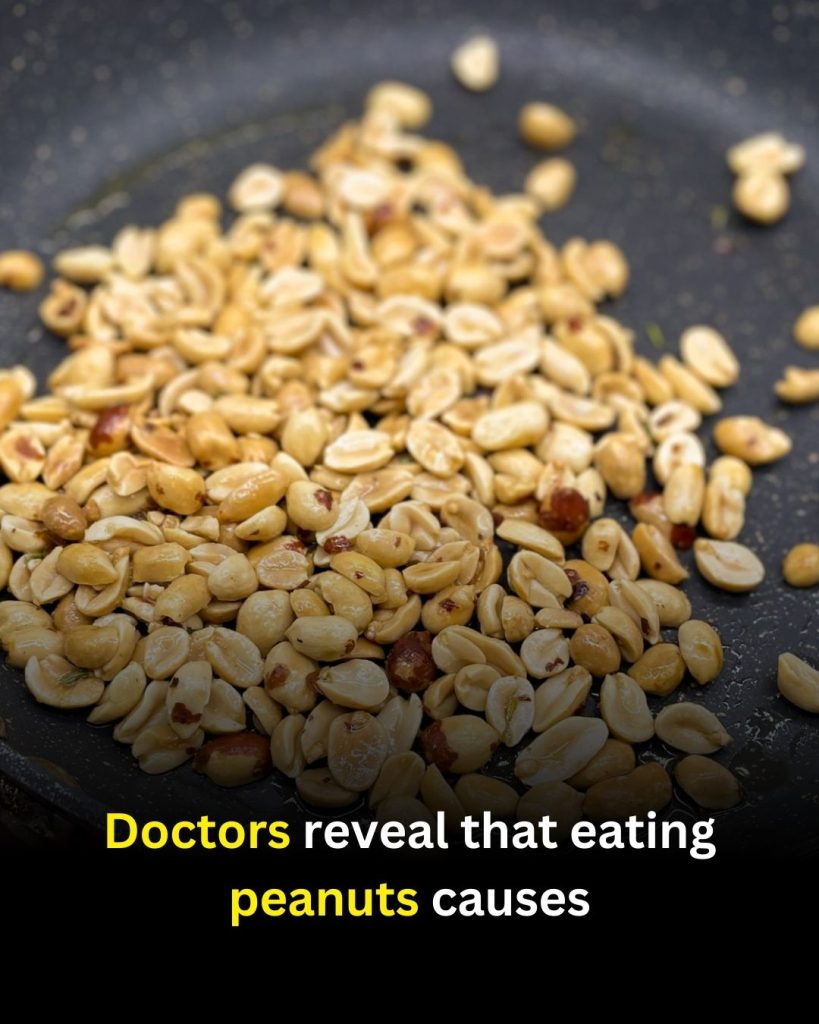

Peanuts are a popular food around the world—affordable, versatile, and packed with nutrients. In many cultures, they appear in snacks, desserts, sauces, and spreads. Beyond their flavor, peanuts offer nutritional value, but they also come with considerations that are worth knowing.
Here’s a balanced, evidence-based look at what peanuts can do for your body.
Why Peanuts Are Nutritionally Notable
Peanuts are technically legumes, not tree nuts, but their nutrition profile is similar to nuts. They contain:
-
Plant-based protein
-
Healthy unsaturated fats
-
Fiber
-
Vitamins such as E and several B vitamins
-
Minerals like magnesium, phosphorus, and iron
These nutrients support general wellness, including heart health and normal metabolism.
Some research suggests that moderate peanut consumption can be part of a heart-healthy eating pattern and may help with satiety (feeling full).
Potential Benefits of Eating Peanuts
1) They Help With Fullness
Protein, fiber, and fats digest slowly, which can help you feel satisfied after eating. This may support appetite control when peanuts are eaten in sensible portions.
2) They Support Stable Energy Levels
Because peanuts contain fat, fiber, and protein, they can slow carbohydrate absorption when eaten with meals. This may help avoid rapid energy spikes and crashes.
However, peanuts alone do not treat or prevent diabetes.
3) They Provide Antioxidants
Peanuts contain natural compounds such as resveratrol and vitamin E that help protect cells from oxidative stress.
4) They Fit Into Heart-Conscious Diets
When used to replace less healthy fats or processed snacks, peanuts can be part of a balanced diet that supports normal cholesterol levels.
Important Precautions
✔ Portion Size Matters
Peanuts are calorie-dense. A typical portion is about a small handful (28–30 g). Eating very large amounts regularly can contribute to excess calorie intake.
✔ Check for Freshness
Peanuts should be stored properly. Moldy peanuts can contain aflatoxins, which are harmful. If peanuts smell musty or look discolored, discard them.
✔ Medication Interactions
People using blood thinners should discuss diet changes with a healthcare provider. Foods high in vitamin E can sometimes affect clotting.
Who Should Avoid Peanuts?
1) People With Peanut Allergy
Peanut allergy can be serious. Even small amounts may cause reactions ranging from hives to severe breathing difficulty. Anyone with a diagnosed allergy must avoid peanuts completely.
2) People With Certain Digestive Sensitivities
Some individuals experience bloating or discomfort from legumes, including peanuts.
3) Individuals Managing Gout
Peanuts are lower in purines than many meats but still contain plant proteins. Those managing gout should follow medical advice on portion size.
A Balanced Takeaway
Peanuts can be a nutritious part of a varied diet when eaten in moderation. They provide protein, healthy fats, and key nutrients, but they are not a cure or medical treatment for any disease.
The healthiest approach is balance: combine peanuts with fruits, vegetables, whole grains, and lean proteins as part of an overall healthy lifestyle.