Long before electric refrigerators and portable coolers, people had to rely on nature to keep food fresh. For fishing communities in particular, preserving a day’s catch was essential. Without proper storage, fish could spoil quickly—especially in warm weather. That’s where one clever antique device came in: the fish holding basket designed for use in running water.
This historical tool, sometimes called a fish keeper or fish holding basket, was made to sit partly or fully in a stream or river. Its job was simple but smart: keep fish alive and fresh in cool, oxygenated water until the fisherman was ready to leave.
Typically built from hardwood slats and reinforced with iron bands, the container had small openings or gaps. These allowed water to circulate freely inside while keeping the fish contained. Flowing water acted as a natural cooling and oxygen system, slowing spoilage and helping fish stay alive longer.
Many of these baskets also featured a hinged lid with a latch. This protected the catch from animals and prevented fish from escaping. Heavy chains or hooks were often attached so the basket could be anchored securely to the riverbed or shoreline.

Why It Was So Important
In the 18th and 19th centuries, fishing was not just recreation—it was a food source and sometimes a livelihood. A fisherman might spend the entire day by the water or travel long distances before returning home. Without ice or refrigeration, keeping fish fresh was a real challenge.
Using the stream itself as cold storage was an efficient solution. Cool, moving water helped preserve the catch far better than leaving fish in the open air. For many families, this simple device helped reduce waste and ensure a steady food supply.
Built to Last
These baskets were designed for durability. Hardwood resistant to moisture and decay was commonly used, and the iron hardware added strength. Because they were exposed to water constantly, craftsmanship mattered. Some were even passed down through generations.
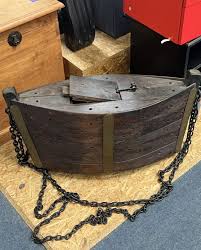
Today, surviving examples are often found in antique collections or rustic decor displays. They offer a glimpse into how people once solved everyday problems using practical design and available materials.
A Reminder of Resourcefulness
This antique fish holder is a small but meaningful reminder of human ingenuity. Instead of relying on technology, people worked with their environment. Rivers and streams weren’t just scenic—they were part of daily survival.
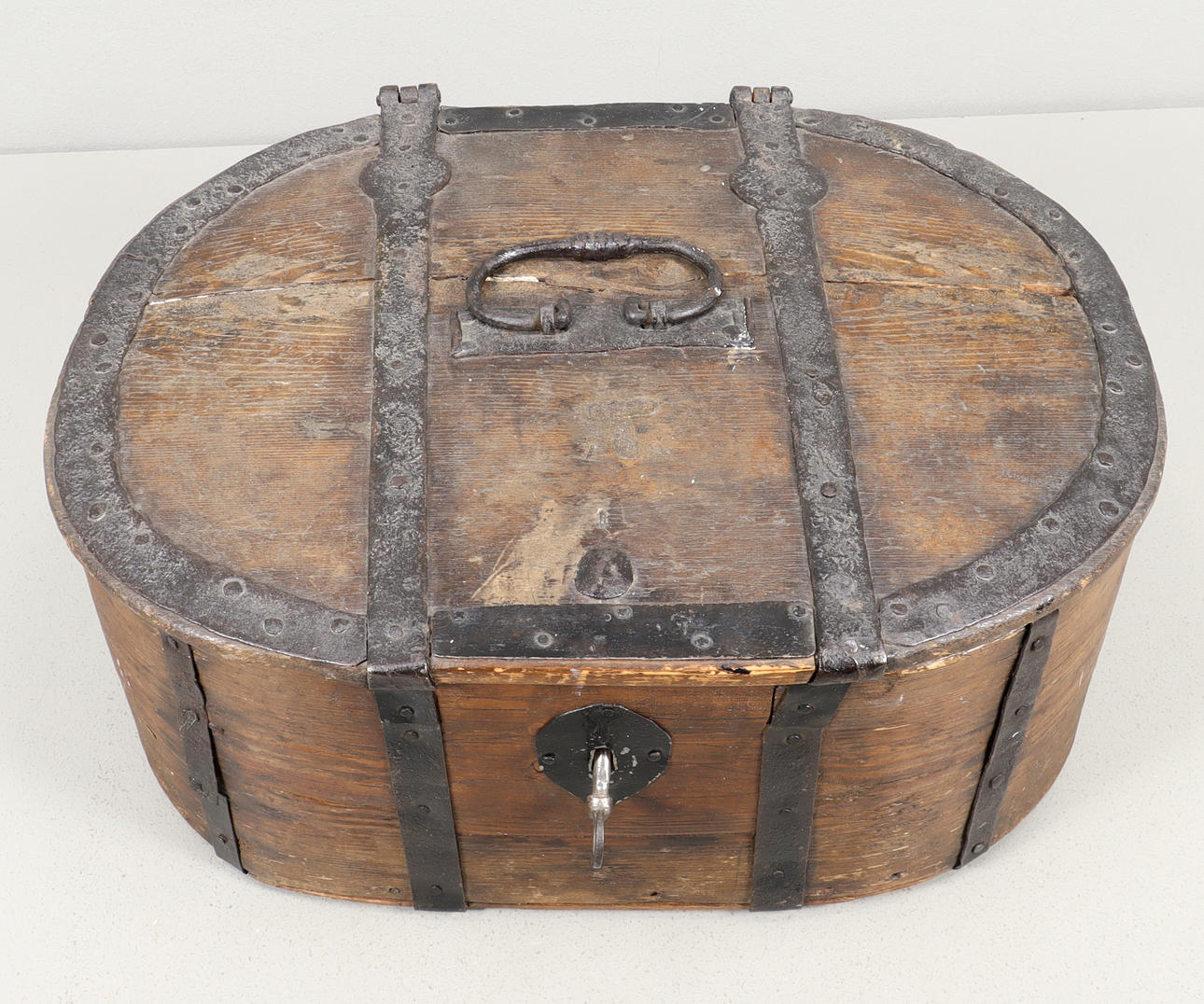
While modern gear has replaced these tools, the idea behind them still feels relevant: simple solutions can be surprisingly effective. What looks mysterious at first glance turns out to be a smart design shaped by necessity and experience.