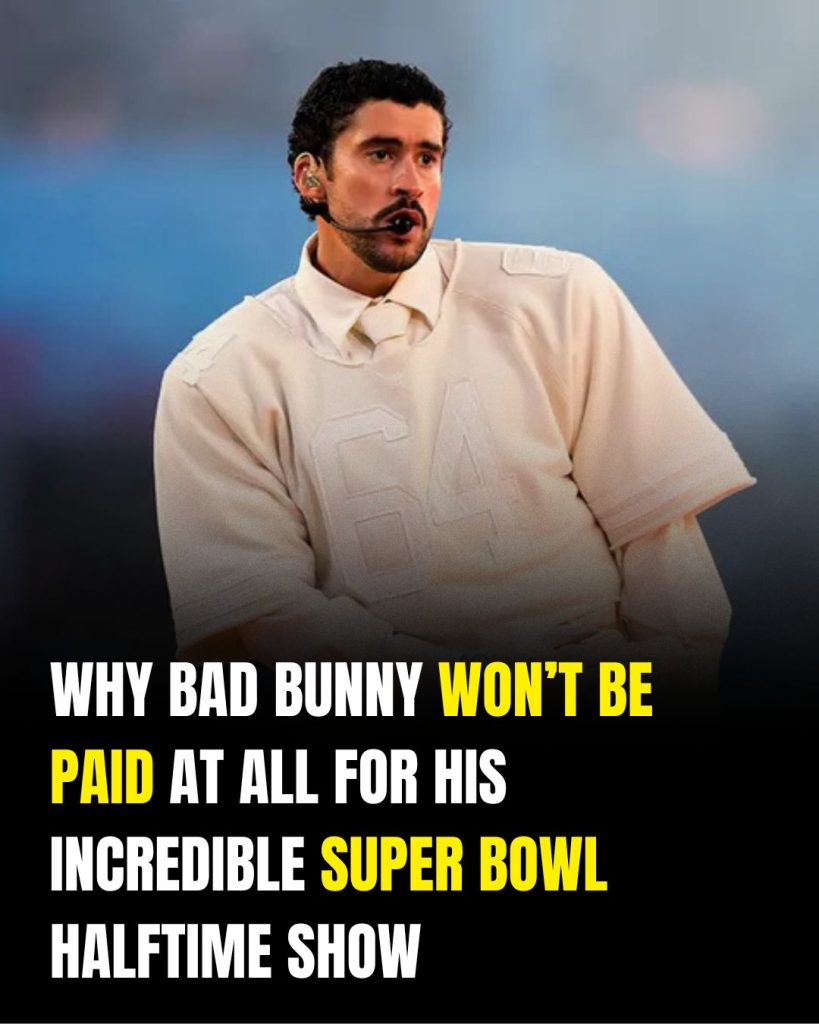

Bad Bunny delivered a halftime performance that had fans talking, but despite the scale and spectacle, he won’t receive a performance fee for appearing at the Super Bowl halftime show.
That might sound surprising given the size of the event and the global fame of artists who headline it. However, it’s actually standard practice: halftime performers are typically not paid a salary for the show itself.
So why perform for free?
The halftime show is less about a paycheck and more about reach. The Super Bowl regularly attracts over 100 million viewers worldwide, making it one of the most-watched broadcasts of the year. For artists, that kind of audience can translate into:
- Spikes in streaming numbers
- Increased album sales
- Higher demand for tour tickets
- Major social media growth
- Global media coverage
In other words, the exposure can be more valuable than a one-time fee.
What costs are covered?
While artists aren’t paid to perform, they also aren’t expected to foot the bill. The National Football League (NFL) covers major expenses tied to the show, including:
- Stage and set design
- Dancers and choreography
- Travel and logistics
- Security and staffing
- Technical production
The halftime show is also sponsored by Apple Music, which reportedly pays tens of millions of dollars annually for naming rights and production support. A significant portion of that goes toward making the performance as spectacular as viewers expect.
The “exposure effect” is real
History shows the exposure boost can be huge. After past halftime shows, artists often see their catalogs surge on streaming platforms. Concert ticket demand also tends to rise quickly.
For global stars like Bad Bunny, the Super Bowl stage reinforces their international reach and keeps them at the center of pop culture conversation.
A career milestone, not a payday
Performing at the Super Bowl halftime show is widely viewed as an honor reserved for top-tier artists. It’s a cultural moment that cements status and visibility.
While there’s no direct performance check, the long-term promotional value can far outweigh a single-night fee.
For many artists, the Super Bowl isn’t about getting paid — it’s about making history.