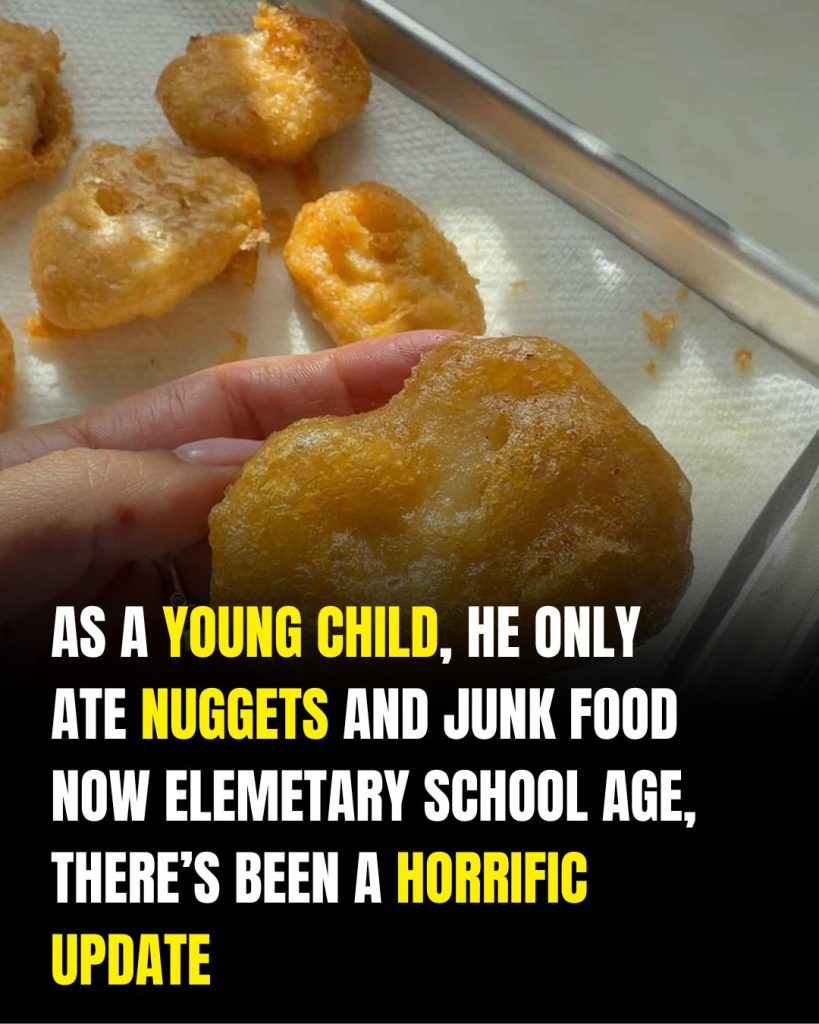

An 8-year-old boy in Malaysia has reportedly suffered permanent vision loss associated with a long-term nutrient-poor diet, drawing attention to the importance of balanced nutrition in childhood.
According to local reports, the child’s diet consisted mostly of processed foods such as chicken nuggets, sausages, and cookies from a very young age. Concern arose when he told a teacher he was having trouble seeing. School staff quickly contacted medical professionals, and he was taken to a hospital for evaluation.
Doctors later determined he had a severe vitamin A deficiency. In this case, the deficiency was linked to optic nerve damage known as optic atrophy, which can cause irreversible vision impairment.
A Doctor’s Message to Parents
Dr. Erna Nadia, a Malaysian physician, shared the case publicly to raise awareness about childhood nutrition. She noted that many parents face challenges providing balanced meals due to busy schedules, but emphasized that variety in a child’s diet is essential for healthy development.
Her message focused on education rather than blame, encouraging families to be mindful of nutritional balance.
Possible Signs of Vitamin A Deficiency
Health professionals say early symptoms can include:
• Dry or irritated eyes
• Difficulty seeing in low-light conditions
• Grayish spots on the whites of the eyes
• Reduced tear production
These symptoms should always be evaluated by a qualified medical professional.
Why Vitamin A Matters
According to medical sources such as the Cleveland Clinic, vitamin A plays a key role in:
• Vision health
• Immune system support
• Growth and development in children
A deficiency does not usually occur overnight — it often develops over time when diets lack variety.
Foods That Provide Vitamin A
A balanced diet that includes vitamin A sources can help support healthy vision. Examples include:
• Leafy green vegetables and broccoli
• Carrots, pumpkin, and sweet potatoes
• Fruits like mango, papaya, and cantaloupe
• Eggs and dairy products
• Fish such as salmon
• Fortified grains and cereals
In some regions, doctors may recommend supplements for young children or pregnant and breastfeeding women when dietary intake is insufficient.
A Broader Health Reminder
Global health organizations note that vitamin A deficiency remains a preventable cause of vision problems in some parts of the world. However, in many countries, it is uncommon when children receive a varied diet.
This case serves as a reminder that balanced nutrition supports many aspects of a child’s health — including eyesight.