
In a world where many people rush through their daily routines, it’s easy to forget that millions navigate life with serious challenges that are invisible to others. Among them are people with visual impairments, for whom simple tasks like walking down a street or entering a room can carry real risks. Now, a new piece of wearable technology is trying to make that journey safer and more independent.
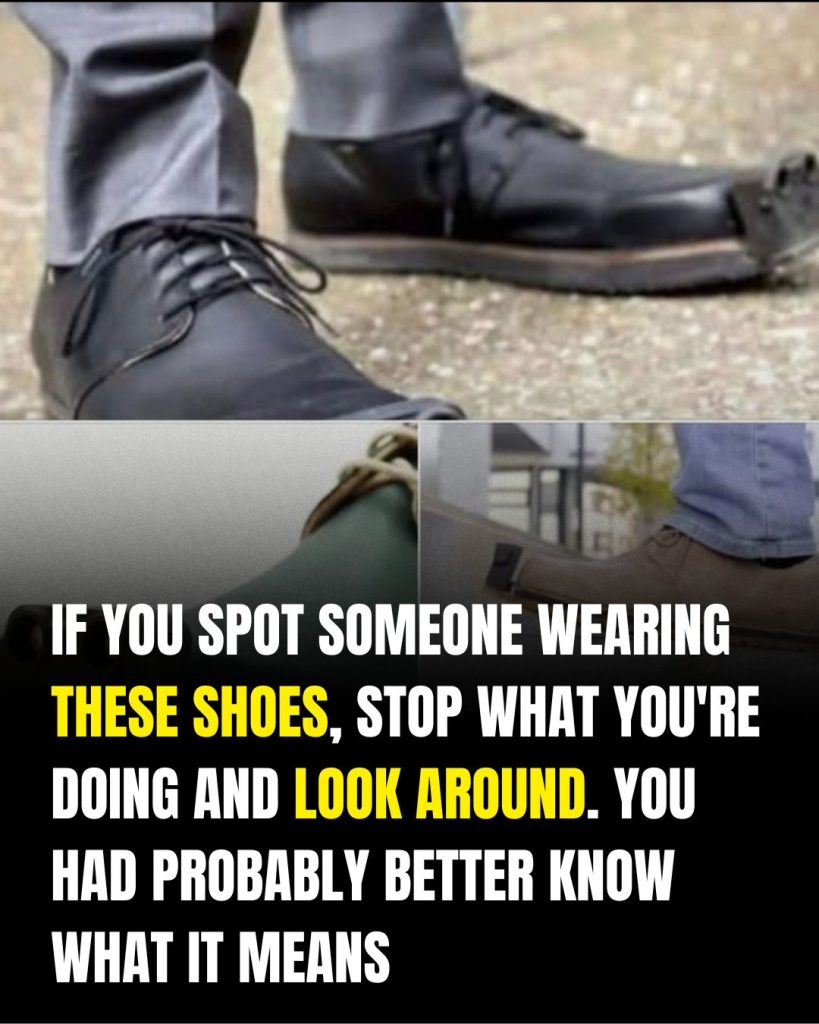
An Australian company, Tec-Innovation, has developed a pair of high-tech shoes known as InnoMake. These “smart shoes” are designed specifically to help blind and visually impaired individuals detect obstacles in their path before they collide with them.
The concept is simple but powerful. Built into the shoes are small ultrasonic sensors that scan the area ahead of the wearer. When an object is detected within a certain distance, the system sends alerts to the user. These alerts can come as vibrations or sounds, warning the wearer that something is in front of them—similar to the parking sensors in modern cars that beep when you get too close to an obstacle.
According to the company, the sensors are integrated into special slots on the shoes and are rechargeable. A full charge takes around three hours and can power the system for up to a week, depending on use. This makes them practical for daily wear rather than just occasional assistance.
One of the standout features of the InnoMake system is smartphone connectivity. Through a mobile app, users can customize how the shoes alert them. For example, they can adjust the minimum detection distance or choose their preferred type of notification. This level of personalization allows each user to tailor the experience to their comfort and environment.
Importantly, devices like these are not meant to replace traditional mobility aids such as white canes or guide dogs. Instead, they can act as an additional layer of safety, especially for detecting obstacles at chest or head height that a cane might miss—like low branches, signs, or open cabinet doors.
Assistive technologies are advancing quickly, and innovations like smart shoes highlight how design and engineering can improve everyday life. For many visually impaired people, greater independence and confidence while moving around can have a huge impact on quality of life.
As awareness grows, so does the conversation around accessibility and inclusion. Technology alone can’t remove every barrier, but thoughtful innovations like these show how it can help level the playing field—step by step.