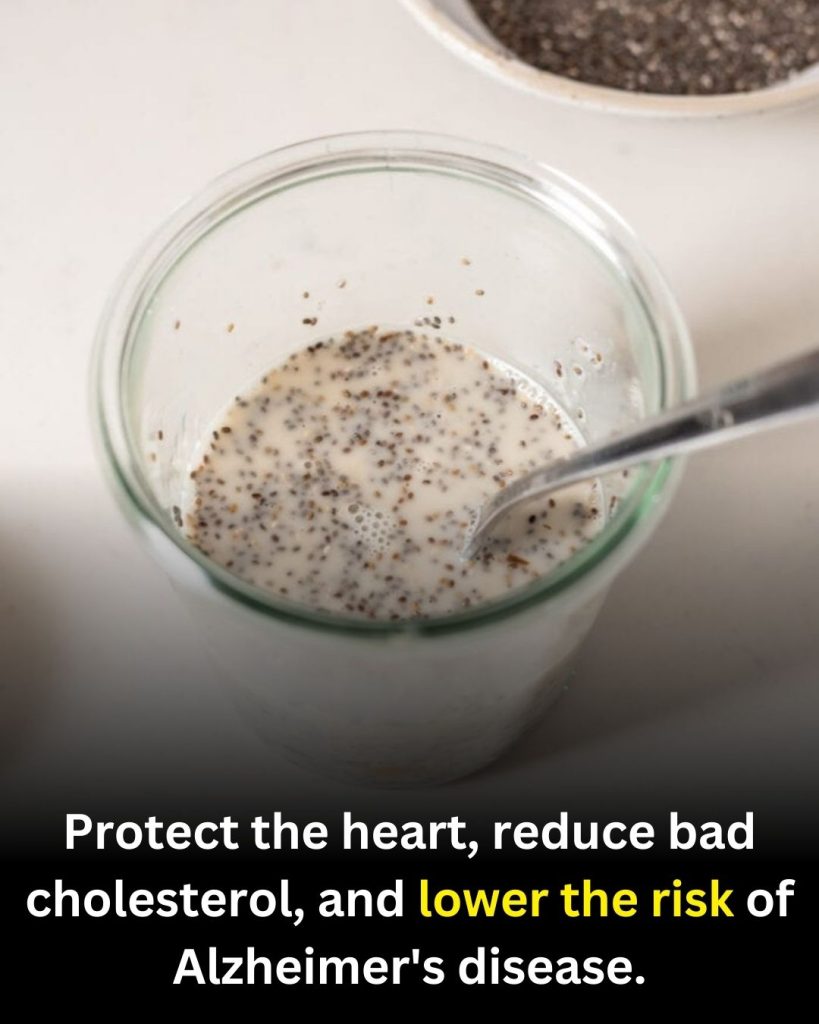

Tiny but widely popular, chia seeds are now a common addition to breakfasts, snacks, and healthy recipes worldwide. Many people include them in their diets for heart-friendly fats, fiber, and minerals. They’re also often discussed in connection with balanced cholesterol levels and overall brain and body wellness.
One of chia seeds’ most unique features is their ability to absorb liquid and form a gel. This is why they’re used in puddings, smoothies, and baking. Their mild, neutral taste makes them easy to mix into both sweet and savory foods without changing flavor.
Still, while chia seeds are nutritious, it’s important to understand their realistic benefits and how to use them properly—without expecting miracle results.
Big Nutrition in a Small Serving
Chia seeds are nutrient-dense even in small portions. They contain:
• Dietary fiber
• Plant-based protein
• Healthy fats, including omega-3 fatty acids
They also provide minerals like calcium, magnesium, and phosphorus, which are important for bone and muscle function. Their omega-3 content is one reason they’re often included in heart-conscious diets.
Another helpful trait is their low glycemic impact, meaning they may support steadier energy levels when eaten as part of balanced meals.
How They Support a Healthy Lifestyle
Chia seeds are especially valued for their fiber. Fiber supports digestion and can help you feel full longer, which may reduce frequent snacking.
They also contain antioxidants that help protect cells from everyday oxidative stress. This doesn’t make them a cure-all food, but they can be a smart addition to a varied diet.
When combined with healthy habits, chia seeds may support:
• Digestive regularity
• Heart-friendly eating patterns
• General wellness
How Much Is Reasonable Per Day?
Because chia seeds are high in fiber, moderation matters.
For most adults:
• About 1 tablespoon (≈15 g) daily is sufficient
• Up to 25 g can be fine for those used to fiber
• Avoid regularly exceeding 30 g per day
Children should consume smaller amounts.
Since chia absorbs water, drinking enough fluids throughout the day helps prevent digestive discomfort.
Simple Ways to Add Chia to Meals
Chia seeds are very versatile. Popular options include:
• Mixing into yogurt or oatmeal
• Adding to smoothies or shakes
• Making chia pudding with milk or plant milk
• Sprinkling over salads or grain bowls
They can also be used in baking, veggie burgers, or as a natural thickener in soups and sauces.
Chia Seeds and Weight Control
Chia seeds are often included in weight-management plans because their fiber helps with fullness and digestion.
However, they don’t cause weight loss by themselves. Lasting results come from overall diet, movement, and consistent habits.
Precautions to Keep in Mind
Chia seeds are generally well tolerated, but large amounts may cause:
• Bloating
• Gas
• Digestive discomfort
This is more likely if someone isn’t used to fiber-rich foods.
Helpful tips:
• Soak or hydrate chia before eating
• Increase intake gradually
• Maintain good hydration
Anyone with digestive conditions or who takes regular medication should check with a healthcare professional before major dietary changes.
Bottom Line
Chia seeds are simple, affordable, and nutritious. Used in moderation, they can be a useful part of everyday meals. The key is balance, realistic expectations, and listening to your body.
They’re not a miracle food—but they can be a smart addition to a healthy lifestyle.