
Many people see bees as a nuisance, but these small insects play a huge role in the natural world. Bees are important pollinators, helping many plants grow and reproduce — including crops that are part of our everyday diets. Because of habitat loss, pesticides, disease, and climate pressures, bee populations in many regions have faced challenges in recent years.
The good news is that there are simple, safe ways people can be more bee-friendly in daily life.
🐝 Why Bees Matter
Bees help pollinate a large variety of plants, from fruits and vegetables to nuts and seeds. Pollination supports biodiversity and food production, which benefits ecosystems and people alike.
However, experts note that bees are one of many pollinators (others include butterflies, birds, and bats). Protecting pollinators overall is what helps keep ecosystems balanced.
🌼 A Small Gesture Some People Use
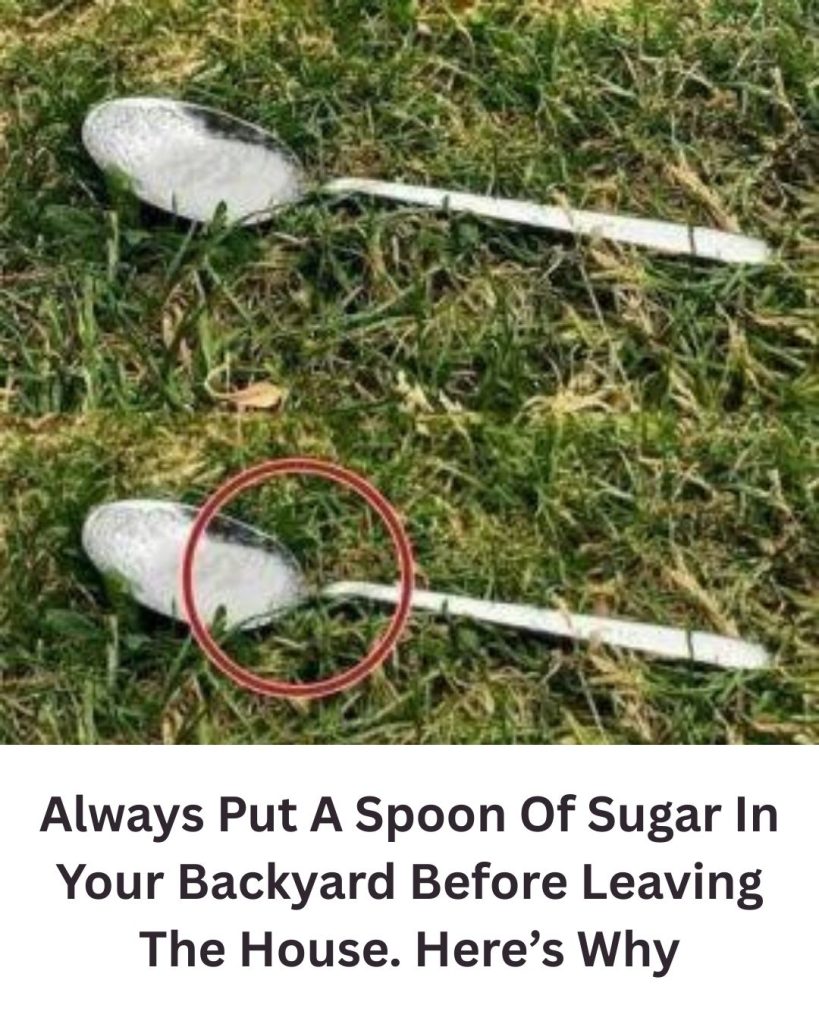
You may have heard the suggestion to leave a small amount of sugar water outside to help tired bees. This idea comes from the observation that an exhausted bee may sometimes need quick energy.
A simple mixture often mentioned is:
• 2 teaspoons white sugar
• 1 teaspoon water
Stir until dissolved and place a tiny drop on a spoon or shallow surface.
Important context
• This is meant as an occasional emergency help, not regular feeding.
• Overuse can interfere with bees’ natural foraging.
• It should not replace planting flowers or protecting habitats.
Think of it as helping a visibly weak bee you encounter — not something to do daily.
🌱 Better Ways to Support Bees
Experts generally recommend longer-term solutions that truly help pollinators thrive:
✔️ Plant pollinator-friendly flowers
Wildflowers, lavender, sunflowers, and native plants provide natural nectar.
✔️ Avoid pesticides when possible
Chemicals can harm pollinators directly or reduce their food sources.
✔️ Provide water sources
A shallow dish with water and small stones gives bees a safe place to drink.
✔️ Support biodiversity
Letting a small area of your yard grow naturally can benefit many pollinators.
⚖️ A Realistic Perspective
Bees are important, but statements like “humans would only live a few years without bees” are considered oversimplified by scientists. Food systems would change significantly, but humans rely on many crops that don’t require bee pollination.
Still, protecting bees and other pollinators is valuable for environmental health and food diversity.
✅ Bottom Line
Helping bees doesn’t require big actions. Small, consistent habits — planting flowers, reducing chemicals, and supporting natural habitats — make a meaningful difference.
A spoon of sugar water can sometimes help a tired bee, but the best support comes from creating environments where bees can thrive naturally.
⚠️ Disclaimer
This article is for informational purposes only. Wildlife support practices vary by region, and local environmental guidelines should be followed. If you want to actively support pollinators, consider guidance from local conservation groups or agricultural extensions.