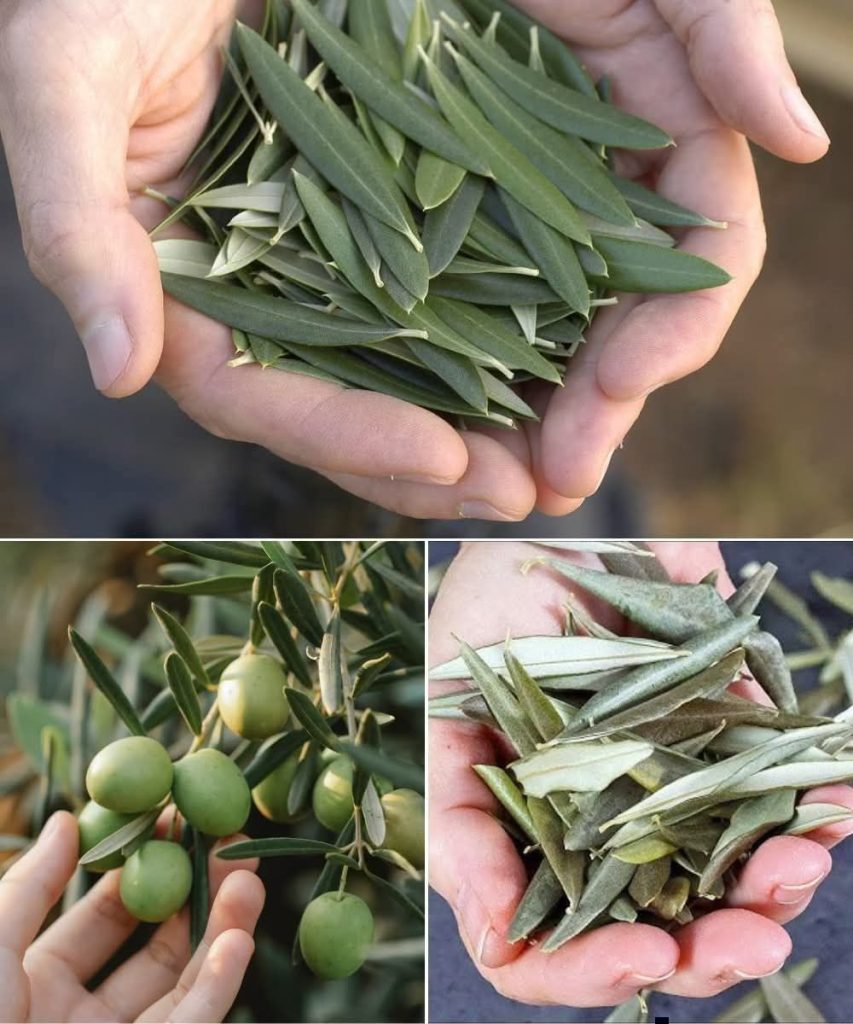

Olive leaves have been appreciated for generations as part of traditional herbal practices. While olives and olive oil are more commonly discussed, the leaves of the olive tree have also earned attention for their natural plant compounds and their role in gentle wellness routines.
Today, many people use olive leaves in teas, extracts, and supplements as part of a balanced lifestyle focused on antioxidant support, daily wellness, and healthy aging. In this article, we’ll explore what makes olive leaves special, their traditional uses, and simple ways to include them in your routine.
What Makes Olive Leaves Popular in Herbal Wellness?
Olive leaves contain natural compounds, including oleuropein, a plant substance widely known for its antioxidant properties. Because of this, olive leaves are often included in herbal wellness routines designed to support balance, vitality, and everyday well-being.
Rather than being seen as a cure or treatment, olive leaves are best understood as a traditional plant ingredient that may complement healthy lifestyle habits.
Potential Benefits of Olive Leaves
Olive leaves are commonly used for their plant-based wellness properties. While more research is still ongoing, they are often valued for the following supportive roles.
Antioxidant Support
One of the main reasons olive leaves are popular is their antioxidant content. Antioxidants help protect cells from oxidative stress, which is a normal part of daily life and aging.
This is why olive leaf tea and olive leaf extract are often chosen by people looking for gentle, everyday wellness support.
May Help Support a Balanced Inflammatory Response
In traditional herbal use, olive leaves have been appreciated for their soothing nature. They are often included in routines focused on supporting the body’s natural balance and overall comfort.
May Support Circulation and Heart Wellness
Olive leaves are sometimes used as part of a heart-conscious lifestyle. Their antioxidant compounds may help support healthy circulation and general cardiovascular wellness when combined with balanced nutrition, movement, and other healthy habits.
Gentle Immune Support
Olive leaves contain naturally occurring plant compounds that have made them popular during seasonal changes. Many people enjoy olive leaf tea or extracts as part of a general wellness routine that supports immune health.
A Calming Addition to Daily Self-Care
For many people, olive leaf tea is not only about the plant compounds it contains, but also about the calming ritual itself. A warm cup of herbal tea can be a simple way to slow down, relax, and support a mindful routine.
How to Use Olive Leaves at Home
Olive leaves can be used in several simple ways, depending on your preference.
Olive Leaf Tea Recipe
A basic tea is one of the easiest and most traditional ways to enjoy olive leaves.
Ingredients:
- A small handful of fresh olive leaves
or - 1 to 2 teaspoons of dried olive leaves
- 1 cup of water
How to Prepare:
- Rinse fresh leaves well if using them.
- Bring the water to a boil.
- Add the leaves and lower the heat.
- Let the leaves steep for 5 to 10 minutes, depending on your taste preference.
- Strain the tea.
- Serve warm. You can add a little honey or lemon if desired.
Olive leaf tea has a mild, earthy flavor and can be a comforting drink, especially in the evening.
Olive Leaf Extract
Olive leaf extract is available in several forms, including:
- Capsules
- Liquid tinctures
- Powders
These products are often chosen by people looking for a more concentrated option for antioxidant support and general wellness. Always follow the product label and use supplements responsibly.
Best Practices for Safe Use
Even natural products should be used with care. Here are a few simple precautions.
Speak With a Healthcare Professional
If you take medications, are pregnant or breastfeeding, or have an underlying health condition, it is best to ask a healthcare professional before using olive leaf supplements or concentrated extracts.
Start With Small Amounts
If olive leaves are new to you, begin with a mild tea or a low amount and see how your body responds before increasing use.
Be Mindful of Sensitivities
If you are sensitive to olive-based products or herbal supplements in general, use caution and discontinue use if you notice any unwanted reaction.
Final Thoughts
Olive leaves are a simple yet respected part of traditional herbal wellness. Whether enjoyed as tea, used in extract form, or included in a broader self-care routine, they offer a gentle, plant-based option for people interested in antioxidant support and daily balance.
They may support:
- Antioxidant wellness
- Seasonal immune support
- A calming daily ritual
- Traditional herbal self-care
Used thoughtfully, olive leaves can be a comforting addition to a healthy lifestyle built on nourishing food, hydration, rest, movement, and professional care when needed.
Disclaimer
This article is for informational purposes only and is not intended as medical advice. Olive leaves and olive leaf products are not intended to diagnose, treat, cure, or prevent any disease. Always consult a qualified healthcare professional before starting any new supplement, especially if you take medication or have an existing health condition.