
Many families pass down simple herbal recipes from one generation to the next. Warm, spiced teas made with ingredients like cinnamon, ginger, bay leaves, and cloves have long been enjoyed in different cultures as part of traditional wellness routines.
While these ingredients are widely valued for their aroma and natural plant compounds, it is important to approach them as supportive additions to a healthy lifestyle — not as replacements for medical care or prescribed treatments.
In this article, we’ll look at a traditional herbal tea recipe made with cinnamon, bay leaves, ginger, and cloves, along with how to prepare it and important safety notes to keep in mind.
Why This Herbal Tea Is Popular
This tea combines several well-known kitchen ingredients that are often used in traditional practices and home wellness routines.
Cinnamon
Cinnamon is commonly used for its warm flavor and antioxidant content. It is often included in herbal drinks and balanced eating plans focused on general wellness.
Bay Leaves
Bay leaves are a popular culinary herb and are often used in traditional recipes for their soothing aroma and role in flavorful infusions.
Ginger
Ginger has a long history of use in herbal traditions. Many people enjoy ginger tea as part of a daily routine that supports comfort, warmth, and digestive balance.
Cloves
Cloves are valued for their rich aroma and natural plant compounds. They are often added to teas and infusions for both flavor and traditional wellness use.
Together, these ingredients create a fragrant, warming drink that many people enjoy as part of a calming morning or evening ritual.
Herbal Tea Recipe with Cinnamon, Bay Leaves, Ginger, and Cloves
This simple recipe is easy to prepare at home using common pantry ingredients.
Ingredients
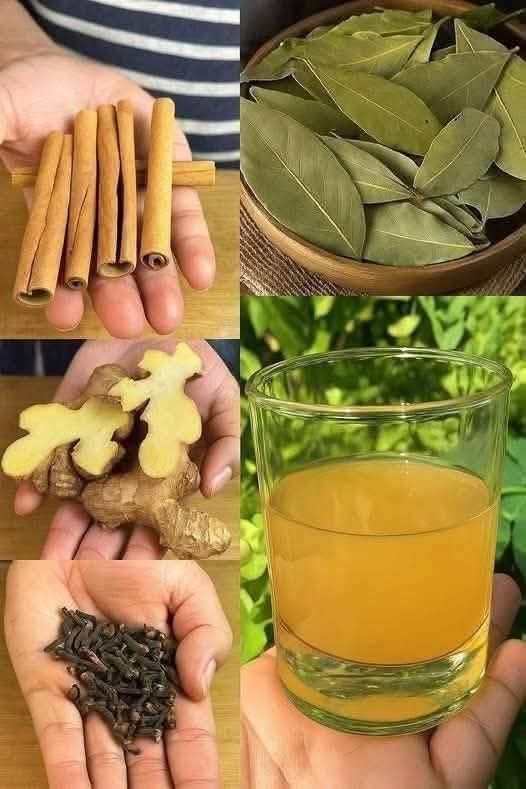
- 3 cinnamon sticks
- 6 bay leaves
- 1 small piece of fresh ginger, peeled and chopped
- 10 cloves
- 500 ml water
How to Prepare It
- Add the cinnamon sticks, bay leaves, chopped ginger, and cloves to a medium-sized pot.
- Pour in 500 ml of water.
- Bring the mixture to a boil.
- Lower the heat and let it simmer for about 15 minutes.
- Strain the liquid into a cup using a fine sieve.
- Let it cool slightly before drinking.
You may add a small amount of honey or a squeeze of lemon for taste, if desired.
How People Commonly Enjoy This Tea
Some people choose to drink one cup in the morning or as part of a relaxing daily routine. Because herbal drinks can affect people differently, starting with a small amount may be a sensible approach.
This tea is often appreciated for:
- Its warm and comforting flavor
- A soothing daily ritual
- A simple way to enjoy traditional herbs
- A caffeine-free option for relaxation
Important Safety Notes
Even natural ingredients should be used thoughtfully.
- This tea is not a cure or treatment for joint problems, liver conditions, diabetes, digestive disorders, or any other medical condition.
- It should not replace medications prescribed by a healthcare professional.
- If you have diabetes, liver disease, digestive conditions, or take medication regularly, speak with a healthcare professional before adding herbal drinks like this to your routine.
- Pregnant or breastfeeding individuals should also get medical advice before using concentrated herbal preparations.
- Stop use if you notice any discomfort or unwanted reaction.
A Better Way to Think About Herbal Drinks
Traditional herbal recipes can be a pleasant and supportive part of daily self-care. They may help create a sense of comfort, relaxation, and routine, especially when combined with other healthy habits such as:
- Eating a balanced diet
- Staying physically active
- Drinking enough water
- Getting enough sleep
- Following medical advice for ongoing health conditions
Final Thoughts
Cinnamon, ginger, bay leaves, and cloves come together to create a simple herbal tea that many people enjoy for its warming taste and traditional appeal. While it should not be viewed as a replacement for professional care, it can be a comforting addition to a healthy lifestyle when used responsibly.
If you enjoy herbal wellness traditions, this tea may be a simple recipe worth trying as part of your routine.
Disclaimer
This article is for informational purposes only and is not intended as medical advice. This herbal tea is not intended to diagnose, treat, cure, or prevent any disease. Always consult a qualified healthcare professional before making changes to your diet, supplements, or medication routine.