
Introduction
For centuries, medicinal plants have played a key role in natural wellness traditions. Among them, rosemary (Rosmarinus officinalis) stands out as one of the most valued herbs for its wide range of potential health benefits.
Commonly used in Mediterranean cuisine, rosemary is more than just a flavorful herb—it is also known for its therapeutic properties. In traditional medicine, it has even been referred to as a natural analgesic due to its potential to help relieve pain and inflammation.
🌿 What Makes Rosemary So Special?
Rosemary contains several bioactive compounds that contribute to its beneficial effects, including:
- Rosmarinic acid
- Carnosol
- Flavonoids
- Essential oils
These compounds are known for their antioxidant, anti-inflammatory, and stimulating properties, which may support overall health and well-being.
💪 Key Health Benefits of Rosemary
1. Anti-Inflammatory Properties
Rosemary may help reduce inflammation in the body, which can support relief from:
- Muscle pain
- Joint stiffness
- General discomfort
2. Rich in Antioxidants
The antioxidants in rosemary help protect cells from oxidative stress caused by free radicals—factors linked to aging and chronic conditions.
3. Supports Memory and Focus
Traditionally associated with cognitive enhancement, rosemary’s aroma may help improve:
- Memory
- Concentration
- Mental clarity
4. Aids Digestion
Rosemary may support digestive health by:
- Stimulating bile production
- Reducing bloating
- Improving overall digestion
🍵 4 Simple Ways to Use Rosemary at Home
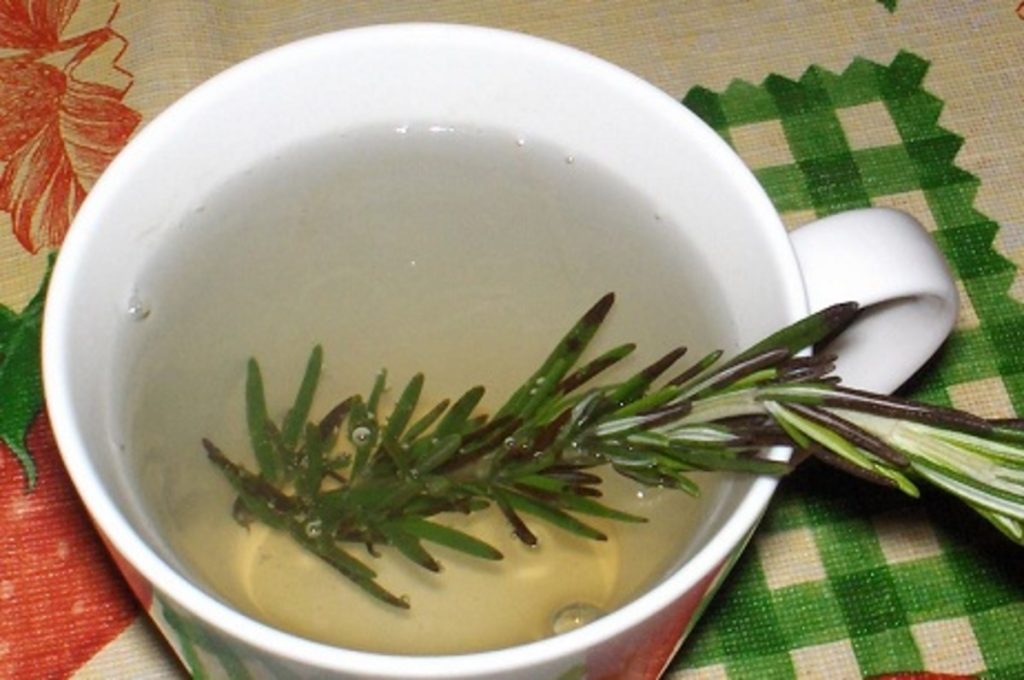
1. Rosemary Tea (Infusion)
A simple and natural way to enjoy rosemary’s benefits.
Ingredients:
- 1 teaspoon rosemary leaves (fresh or dried)
- 1 cup hot water
Instructions:
- Boil water
- Add rosemary leaves
- Let steep for 10 minutes
- Strain and drink
👉 Drink 2–3 cups daily to support digestion and relaxation.
2. Rosemary Oil for Massage
Perfect for soothing muscles and improving circulation.
How to prepare:
- Infuse fresh rosemary in olive oil for 2 weeks
- Strain before use
Use for:
- Muscle relaxation
- Joint comfort
- Improving blood flow
3. Rosemary Bath for Relaxation
A traditional method to relieve fatigue and stress.
How to use:
- Boil rosemary in water
- Add the infusion to your bath
- Soak for 15–20 minutes
👉 Helps relax muscles and calm the mind.
4. Steam Inhalation with Rosemary
Great for respiratory support and mental clarity.
Steps:
- Add rosemary to hot water
- Inhale steam for 5–10 minutes
Potential benefits:
- Clears sinuses
- Supports breathing
- Enhances focus
🧠 Additional Health Benefits
Regular use of rosemary may also support:
- ✅ Blood circulation
- ✅ Cognitive function
- ✅ Digestive comfort
- ✅ Natural energy levels
🌱 How to Grow Rosemary at Home
Rosemary is easy to grow and maintain. It thrives in:
- Well-drained soil
- Sunny environments
- Moderate watering conditions
You can grow it in:
- Gardens
- Balcony pots
- Indoor containers near a window
🌿 Easy Ways to Add Rosemary to Your Daily Routine
- Add fresh rosemary to meals
- Drink rosemary tea after meals
- Use rosemary oil for massages
- Diffuse rosemary aroma at home
Small daily habits like these can help support long-term wellness.
⚠️ Important Precautions
While rosemary is natural, it should still be used carefully:
- Pregnant women should avoid excessive consumption
- People with hypertension or epilepsy should consult a doctor
- Essential oil should not be ingested without medical advice
✅ Conclusion
Rosemary is far more than a culinary herb—it is a powerful natural ally for supporting digestion, circulation, and mental clarity.
With its rich antioxidant content and versatile uses, rosemary can be easily integrated into your daily wellness routine. Whether as tea, massage oil, bath infusion, or steam inhalation, this Mediterranean plant offers simple and accessible ways to support both physical and mental health.