
Hair loss is something many people notice more often during the fall and winter months. However, seasonal changes are not always the only reason behind it. In some cases, hair thinning or shedding may be linked to a lack of important nutrients, including vitamin D.
Vitamin D is an essential nutrient that supports many functions in the body. Unfortunately, deficiency is quite common, and low levels can affect overall health in several ways. This vitamin is well known for helping maintain strong bones, supporting the immune system, and contributing to healthy skin. It also plays a role in other important processes in the body, including insulin regulation.
In addition to these benefits, adequate vitamin D levels have been associated with better overall wellness and may help support the body in reducing the risk of certain health issues. Because of its wide range of roles, maintaining proper vitamin D levels is considered important for general health.
Vitamin D may also be connected to hair health. Experts suggest that it plays a role in supporting hair follicles, which are responsible for hair growth. When vitamin D levels are too low, this may interfere with the normal hair growth cycle and contribute to increased shedding or thinning.
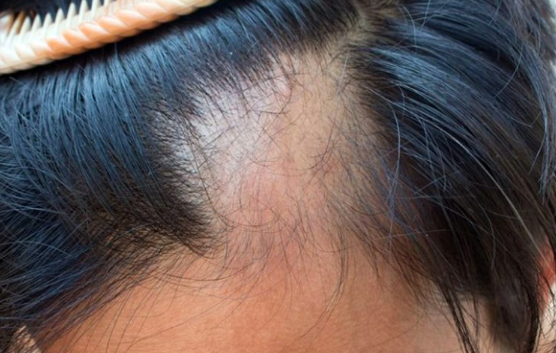
Some studies have also found a possible connection between vitamin D deficiency and alopecia, a condition that can cause patchy hair loss on the scalp and other parts of the body. This condition can affect both men and women.
While hair loss can happen for many different reasons, low vitamin D may be one factor worth paying attention to. If you are experiencing unusual hair shedding, it may be helpful to review your diet, lifestyle, and overall health with a medical professional.
Maintaining balanced nutrition, getting safe sun exposure, and seeking proper medical guidance can all play a role in supporting healthier hair over time.