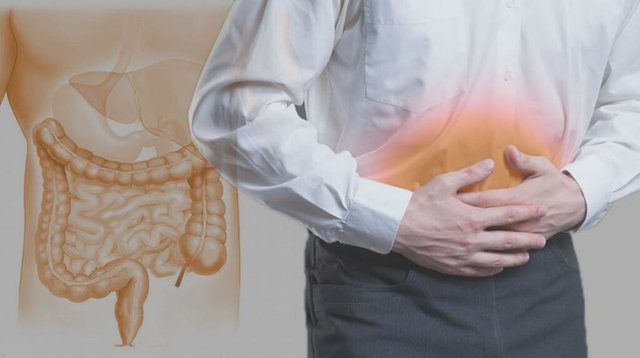

Colitis, or inflammation of the large intestine, is a condition that can cause ongoing digestive discomfort and affect daily life. It is often linked with symptoms such as abdominal pain, bloating, diarrhea, fatigue, and changes in bowel habits. Because of this, many people look for ways to better manage their symptoms and improve their overall quality of life.
Treatment for colitis may vary depending on the cause and severity of the condition. In many cases, doctors use medications to help reduce inflammation and control symptoms. When symptoms become more severe or do not respond well to treatment, more advanced medical care may be needed.
Alongside medical treatment, lifestyle habits can also play an important role in symptom management. Experts often emphasize that diet is especially important for people living with colitis.
Foods That May Trigger or Worsen Symptoms
Some foods can be harder to tolerate during flare-ups or periods of digestive sensitivity. People with colitis are often advised to pay close attention to how their body reacts to certain meals and ingredients.
Foods that may worsen symptoms in some individuals include:
- Fatty foods
- Full-fat dairy products
- Caffeinated drinks
- Alcohol
- Highly processed meats
- Sugary foods
- Nuts and seeds
- Dried fruits
- Certain high-fiber foods during flare-ups
Because every person is different, it can be helpful to keep a food journal and notice which foods seem to trigger discomfort.
Lifestyle Habits That May Help
Digestive health is not affected by food alone. Colitis may also influence overall well-being, including energy levels, stress, and even general physical health. That is why a healthy routine matters.
Moderate physical activity may be beneficial for many people. Gentle exercise such as swimming several times a week can support overall wellness. Yoga is another activity that some people find helpful, as it may promote relaxation and support digestive comfort.
Stress is also considered an important factor in inflammatory digestive conditions. Relaxation techniques such as meditation, deep breathing, and muscle relaxation may help calm the body and support better digestion.
Foods That May Be Easier to Tolerate
Some foods are often considered gentler on the digestive system and may be better tolerated by people with colitis, especially during sensitive periods. These may include:
- Applesauce
- Avocado
- Pumpkin
- Yogurt
- Oats
- Eggs
In addition, omega-3 fatty acids are often discussed for their role in supporting the body’s natural response to inflammation. Foods rich in omega-3s, such as salmon, are commonly included in balanced eating plans.
A Personalized Approach Matters
There is no single diet that works for everyone with colitis. What helps one person may not help another. That is why it is important to follow medical advice, pay attention to your body, and make gradual adjustments based on your individual needs.
With the right combination of medical care, thoughtful food choices, stress management, and healthy daily habits, many people are able to manage symptoms more effectively and support their digestive health over time.