
Of all the meals we eat during the day, breakfast is considered the most important.
Nutrition experts often say that breakfast should be the richest meal of the day, meaning it should provide the body with the most important nutrients needed for energy and balance.
However, these recommendations are often ignored because of busy lifestyles and rushed mornings.
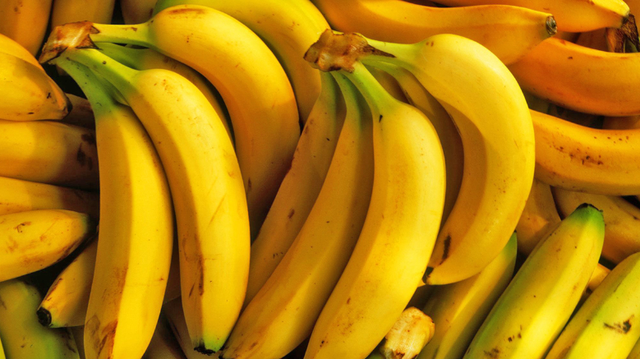
In many cases, people do not have enough time to sit down and enjoy a full breakfast, so they settle for something quick and simple, like a banana.
Bananas are undoubtedly beneficial for the body and can support both heart health and overall well-being.
They may help maintain healthy blood pressure, support mood, ease constipation, calm heartburn, and may even be helpful for people dealing with stomach irritation. Bananas also contain iron, which supports the production of hemoglobin in the blood.
When Should You Eat a Banana?
Although the benefits of bananas are widely recognized, experts remain divided on whether they should be eaten on an empty stomach or after a meal.
Some specialists say bananas are rich in potassium, fiber, and magnesium, which help provide the body with energy and valuable nutrients.
They also point out that bananas should be eaten regularly because they contain vitamin B6, an important nutrient involved in many body functions.
Still, other experts believe bananas should not be eaten on an empty stomach for several reasons.
According to available information, the natural sugars in bananas can give the body a quick boost of energy, but that energy may not last long. After the initial rise, you may start to feel tired or sluggish.
Bananas can also make you feel full very quickly, which in some cases may leave you feeling sleepy or low on energy shortly afterward.
Because of their acidity, some people may also experience digestive discomfort or intestinal sensitivity when eating bananas without other food.
British experts suggest that the benefits of bananas are best enjoyed after breakfast rather than before it.
In addition, the relatively high magnesium content in bananas may affect the balance between calcium and magnesium in the blood if eaten alone in certain situations, which could create the opposite effect for the cardiovascular system.
Final Thoughts
Bananas are a healthy and nutritious fruit, but the best time to eat them may depend on your body and your eating habits. For many people, pairing a banana with a balanced breakfast may be a better option than eating it alone on an empty stomach.