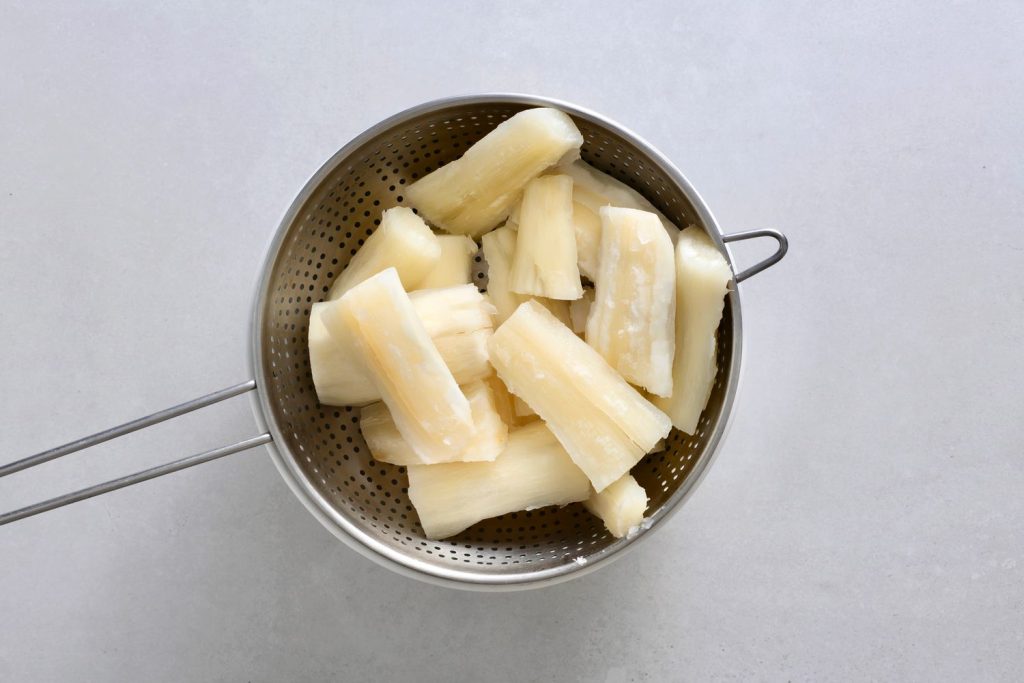

Cassava, also known as yuca or manioc, is one of the most important root vegetables in the world. It is affordable, filling, and used in many traditional dishes across Latin America, Africa, the Caribbean, and parts of Asia. People boil it, fry it, mash it, bake it, and even turn it into flour for foods like tapioca.
However, cassava is also a food that needs careful preparation. When eaten raw or cooked the wrong way, it can be harmful. The good news is that cassava can be enjoyed safely when it is peeled, soaked, and cooked properly.
What Is Cassava?
Cassava is a starchy root vegetable with a firm white flesh. It is commonly used as a source of carbohydrates, much like potatoes, rice, or corn. Because it grows well in warm climates and provides a lot of energy, it has become a staple food for millions of people.
You may see cassava sold fresh in markets, frozen, dried, or processed into flour. In many homes, it is served as boiled yuca, fried cassava, cassava bread, or as an ingredient in soups and stews.
Why Can Cassava Be Dangerous?
Cassava naturally contains compounds called cyanogenic glycosides. These compounds can release cyanide if the root is eaten raw or not prepared correctly.
There are two common types of cassava:
Sweet cassava usually contains lower levels of these compounds, but it still needs to be cooked before eating.
Bitter cassava contains higher levels and requires more careful preparation before it is safe to consume.
Eating raw or undercooked cassava may cause symptoms such as nausea, vomiting, dizziness, stomach discomfort, and breathing problems. In severe cases, unsafe cassava preparation can lead to cyanide poisoning, which can be very dangerous.
Long-term consumption of poorly prepared cassava has also been associated with serious health concerns, especially in places where cassava is eaten often and processing methods are not followed correctly.
How to Prepare Cassava Safely
Cassava does not need to be avoided completely. The key is to prepare it the right way before eating.
1. Peel It Completely
The outer skin and layer beneath it can contain higher amounts of unwanted compounds. Always remove the skin fully before cooking cassava.
2. Cut and Soak It
After peeling, cut the cassava into smaller pieces and soak it in clean water for several hours, or overnight when possible. Soaking helps reduce some of the natural compounds that can make cassava unsafe.
3. Cook It Thoroughly
Cassava should never be eaten raw. Boil, bake, or fry it until it becomes soft and fully cooked. Boiling is one of the most common ways to prepare it safely.
4. Avoid Cassava That Tastes Bitter
If cooked cassava has a strong bitter taste, it is better not to eat it. Bitterness can be a warning sign that the root may contain higher levels of natural toxins.
5. Buy From Reliable Sources
Whenever possible, purchase cassava from trusted markets or suppliers. Proper handling and storage are important, especially if the cassava is already peeled, frozen, or processed.
Nutritional Benefits of Cassava
When prepared correctly, cassava can be a useful part of a balanced diet. It is naturally gluten-free, rich in carbohydrates, and provides energy for the body. It also contains some vitamin C and can be used in many simple, comforting meals.
Because cassava is high in starch, it is best enjoyed in moderation and combined with other nutritious foods such as vegetables, beans, fish, eggs, or lean proteins.
Final Thoughts
Cassava is a delicious and versatile root vegetable, but it must be treated with care. The danger usually comes from eating it raw, undercooked, or poorly processed.
By peeling it well, soaking it, cooking it thoroughly, and avoiding bitter-tasting pieces, you can enjoy cassava safely. Prepared the right way, cassava can be a satisfying and traditional food that fits into many healthy meals.