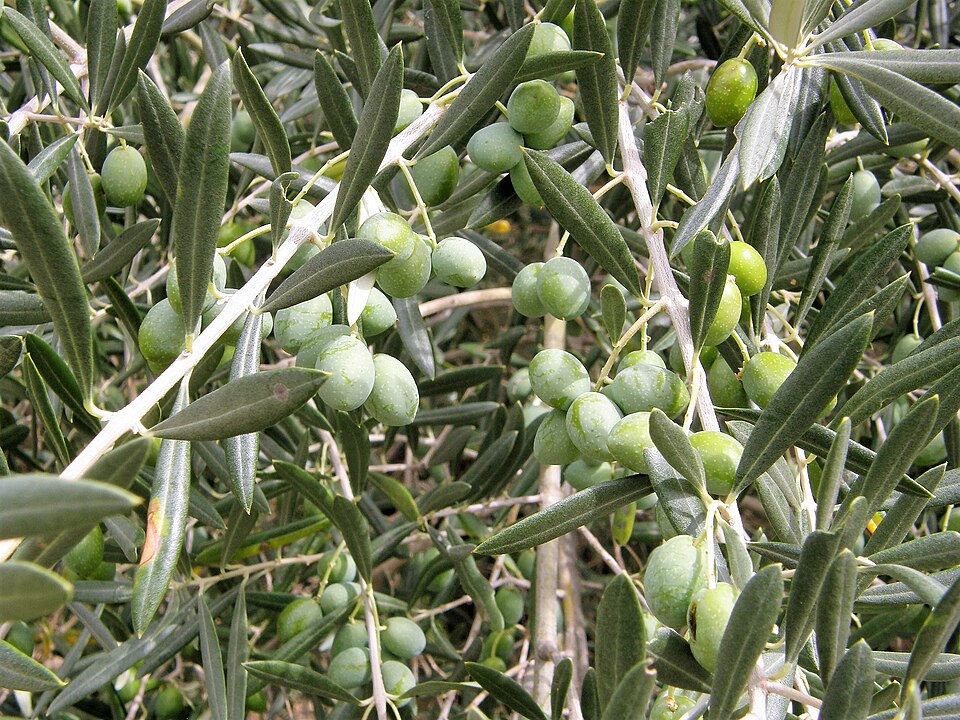

For thousands of years, olive trees have been seen as symbols of peace, strength, and long life. While olives and olive oil are the most famous parts of this tree, olive leaves also have a long history in traditional wellness practices.
Today, olive leaves are becoming popular again among people who enjoy simple, plant-based remedies. They are often used in teas, extracts, and natural wellness routines because of their antioxidant compounds and soothing properties.
Why Olive Leaves Are So Valued
Olive leaves contain a natural compound called oleuropein, one of the main plant compounds found in the leaves of the olive tree. Oleuropein is known for its antioxidant activity, which means it may help support the body’s natural protection against oxidative stress.
Oxidative stress is part of everyday life. It can come from pollution, poor sleep, stress, processed foods, and normal aging. Because of this, many people look for foods and herbs that can gently support balance and overall vitality.
Olive leaf tea and olive leaf extract are two common ways people use this traditional ingredient.
Natural Benefits of Olive Leaves
1. Antioxidant Support
One of the main reasons olive leaves are appreciated is their antioxidant content. Antioxidants help support the body as it deals with free radicals, which are unstable molecules linked to everyday cellular stress.
A warm cup of olive leaf tea can be a simple addition to a wellness routine focused on natural nourishment and long-term balance.
2. A Calming Herbal Ritual
Olive leaves have traditionally been used as a soothing herbal ingredient. Many people enjoy olive leaf tea in the evening because of its earthy flavor and comforting warmth.
While it should not be seen as a medical treatment, it can be part of a peaceful daily routine, especially for those who enjoy natural teas.
3. Support for Heart-Centered Wellness
Because olive leaves contain beneficial plant compounds, they are often included in wellness routines that focus on circulation and heart health. Their antioxidant properties may help support overall cardiovascular wellness when combined with a balanced diet, regular movement, hydration, and healthy lifestyle choices.
4. Gentle Seasonal Support
Olive leaves have also been used traditionally during seasonal changes. Many people choose olive leaf tea or extract as part of a routine that supports the body’s natural defenses.
This makes olive leaves a popular choice during colder months or times when people want extra plant-based support.
How to Use Olive Leaves at Home
Olive leaves can be prepared in a simple way. You do not need complicated tools or special techniques. A basic tea is one of the easiest methods.
Simple Olive Leaf Tea Recipe
Ingredients
A handful of fresh olive leaves
or 1–2 teaspoons of dried olive leaves
1 cup of water
Honey or lemon, optional
Preparation
Rinse the fresh olive leaves well. If using dried leaves, you can skip this step.
Bring one cup of water to a boil.
Add the olive leaves to the hot water and reduce the heat.
Let the leaves steep for 5 to 10 minutes, depending on how strong you want the tea.
Strain the tea and serve warm.
Add a little honey or lemon if you prefer a smoother taste.
Olive leaf tea has an earthy, slightly bitter flavor. It can be enjoyed in the morning or as a calming drink in the evening.
Olive Leaf Extract
For those who prefer a more concentrated option, olive leaf extract is available in different forms, including capsules, tinctures, and powders.
People often choose olive leaf extract for general wellness support, antioxidant reinforcement, and seasonal wellness routines. However, extracts are stronger than tea, so it is important to follow the recommended amount on the product label.
Always choose products from reputable brands and avoid taking more than suggested.
Safety Tips Before Using Olive Leaves
Olive leaf tea is generally used as a gentle herbal drink, but concentrated supplements may not be suitable for everyone.
Speak with a healthcare professional before using olive leaf extract if you are pregnant, breastfeeding, taking medication, or managing a health condition.
Start with small amounts, especially if you have never used olive leaves before.
If you are sensitive or allergic to olive-based products, use caution.
Olive leaves should not replace medical care, prescribed medication, or a balanced diet.
Final Thoughts
Olive leaves are a beautiful example of how traditional ingredients can still have a place in modern wellness routines. Their natural compounds, especially oleuropein, make them interesting for people who enjoy antioxidant-rich herbs and gentle plant-based support.
Whether prepared as a warm tea or used carefully as an extract, olive leaves can be a simple addition to a healthy lifestyle. With their earthy flavor and long history of traditional use, they offer a calming daily ritual for those who want to care for the body in a natural and balanced way.