
Scrambled eggs may seem like one of the easiest breakfasts to make, but they are also one of the easiest to overcook. Many people turn the heat too high, stir too aggressively, or leave the eggs in the pan until they look completely done. That is how soft eggs quickly become dry, rubbery, and disappointing.
The secret to perfect scrambled eggs is simple: low heat, gentle stirring, and knowing when to stop cooking.
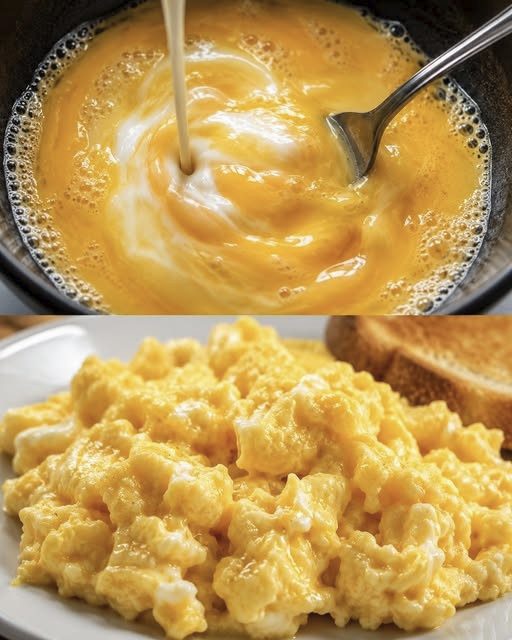
When made the right way, scrambled eggs should be soft, creamy, and slightly glossy, with tender curds that almost melt in your mouth. You do not need fancy ingredients or special equipment. All you really need are fresh eggs, butter, a pinch of salt, and a little patience.
This easy scrambled eggs recipe will show you how to make eggs that are silky, flavorful, and perfect every time.
Why You’ll Love This Recipe
These scrambled eggs are soft, creamy, and never dry. The method is simple enough for everyday breakfast but good enough to feel special. By cooking the eggs slowly over low heat, you get a tender texture and rich flavor without needing milk or complicated steps.
Serve them on toast, with bacon, beside avocado, or as part of a cozy breakfast plate.
Ingredients
Basic Ingredients
- 2 to 3 fresh eggs per person
- 1 tablespoon unsalted butter for every 2 eggs
- A pinch of salt
- Black pepper, to taste
Optional Add-Ins
- 1 teaspoon cream or crème fraîche per egg
- Fresh chives, parsley, or tarragon
- A small squeeze of lemon juice
- Grated cheese such as cheddar, Gruyère, or goat cheese
Do You Need Milk for Scrambled Eggs?
Milk is not required for perfect scrambled eggs. In fact, many cooks skip it completely. Milk can make eggs watery if too much is added or if the eggs are cooked too quickly.
For a richer texture, use a tiny splash of cream instead. If you prefer classic scrambled eggs, eggs and butter are enough.
Instructions
Step 1: Prepare the Eggs
Crack the eggs into a bowl. Add a small pinch of salt and whisk just until the yolks and whites are combined.
Do not over-whisk. You only want to blend the eggs, not whip too much air into them.
Have your butter, spatula, and serving plate ready before you start cooking. Scrambled eggs cook quickly, so it helps to be prepared.
Step 2: Melt the Butter Slowly
Place a non-stick skillet or well-seasoned pan over low to medium-low heat.
Add the butter and let it melt gently. The butter should foam lightly, but it should not brown or sizzle too aggressively.
Low heat is the key to soft scrambled eggs. High heat cooks the eggs too fast and pushes out moisture, which creates a dry, rubbery texture.
Step 3: Add the Eggs
Pour the whisked eggs into the pan. Let them sit undisturbed for about 10 to 15 seconds, just until the edges begin to set.
Using a rubber or silicone spatula, gently push the set eggs from the edges toward the center of the pan. Tilt the pan slightly so the uncooked egg flows into the empty spaces.
Continue gently pushing, folding, and tilting. Move slowly and patiently. The goal is to create soft, tender curds.
Step 4: Remove Before They Look Fully Done
This is the most important step.
Remove the pan from the heat when the eggs still look slightly wet and glossy. They should look soft, not dry.
The eggs will continue to cook from the leftover heat after they leave the pan. If they look completely done in the skillet, they will usually be overcooked by the time they reach the plate.
Transfer the eggs immediately to a warm plate and let them rest for about 30 seconds.
Step 5: Finish and Serve
Add a final sprinkle of black pepper or flaky salt, if desired.
If using herbs, cheese, cream, or crème fraîche, fold them in during the last few seconds of cooking.
Serve immediately while the eggs are warm, soft, and creamy.
Tips for Perfect Scrambled Eggs
Use low heat and take your time. Scrambled eggs should cook gently, not quickly.
Stir with a rubber or silicone spatula to protect the pan and create soft curds.
Remove the eggs from the heat while they are still slightly underdone. Carryover heat will finish them.
Use butter for the best flavor and texture. It also helps prevent sticking and keeps the eggs tender.
For the best results, let cold eggs sit at room temperature for 10 to 15 minutes before cooking. This helps them cook more evenly.
Delicious Variations
French-Style Scrambled Eggs
Cook the eggs very slowly over low heat, stirring constantly until they become creamy and almost custard-like. Finish with a little cold butter or crème fraîche.
Fluffy Diner-Style Eggs
Cook over medium-low heat and stir a little more often to create larger, fluffier curds. Add a tiny splash of cream if desired.
Herb and Cheese Scrambled Eggs
Fold in chopped chives, parsley, or tarragon near the end of cooking. Add grated cheddar, Gruyère, or goat cheese for extra flavor.
Smoky Scrambled Eggs
Add a pinch of smoked paprika to the butter before adding the eggs. You can also fold in roasted peppers, tomatoes, or cooked sausage for a heartier version.
Common Mistakes to Avoid
Cooking Over High Heat
High heat may seem faster, but it often leads to dry, tough eggs. Keep the heat low and let the eggs cook slowly.
Stirring Too Hard
Aggressive stirring can break the eggs into tiny pieces and make them less creamy. Use gentle folding motions instead.
Cooking Too Long
Do not wait until the eggs look fully set in the pan. Remove them while they are still soft and glossy.
Adding Too Much Milk
A splash of milk is fine if you enjoy it, but too much can make scrambled eggs watery. Cream works better if you want extra richness.
Using the Wrong Pan
A good non-stick skillet or well-seasoned pan makes a big difference. It helps the eggs cook evenly and prevents sticking.
What to Serve with Scrambled Eggs
Perfect scrambled eggs are delicious with:
- Buttered toast
- Avocado slices
- Crispy bacon
- Breakfast potatoes
- Fresh fruit
- Smoked salmon
- Sautéed mushrooms
- Roasted tomatoes
They also make a great filling for breakfast sandwiches, wraps, or croissants.
Frequently Asked Questions
Should I add milk or cream to scrambled eggs?
You can, but it is optional. A small splash of cream can add richness, but milk is not necessary. Eggs and butter are enough for a soft, creamy scramble.
Why are my scrambled eggs watery?
Watery eggs are often caused by adding too much milk, cooking over high heat, or removing the eggs too late. Cook slowly and avoid extra liquid.
Why do my scrambled eggs turn rubbery?
Rubbery eggs usually come from overcooking or using heat that is too high. Low heat and gentle stirring help keep the texture tender.
Can I make scrambled eggs ahead of time?
Scrambled eggs are best served fresh. If needed, slightly undercook them and reheat gently in a non-stick pan with a little butter.
How many eggs should I use per person?
Two to three large eggs per adult is usually a good serving size.
Can I use olive oil instead of butter?
Yes, but butter gives scrambled eggs a richer flavor and smoother texture. If using olive oil, choose a mild one and keep the heat low.
Storage and Reheating
Scrambled eggs are best eaten right away. If you have leftovers, store them in an airtight container in the refrigerator for up to 2 days.
To reheat, warm them gently in a non-stick pan over low heat with a small pat of butter. Avoid high heat, as it can make the eggs rubbery.
Final Thoughts
Perfect scrambled eggs are not about fancy ingredients. They are about patience and technique.
Use low heat, stir gently, and remove the eggs before they look completely done. With these simple steps, you can turn everyday eggs into a soft, silky, comforting breakfast.
Once you learn this method, scrambled eggs become more than a quick meal. They become one of the easiest ways to make breakfast feel warm, simple, and satisfying.