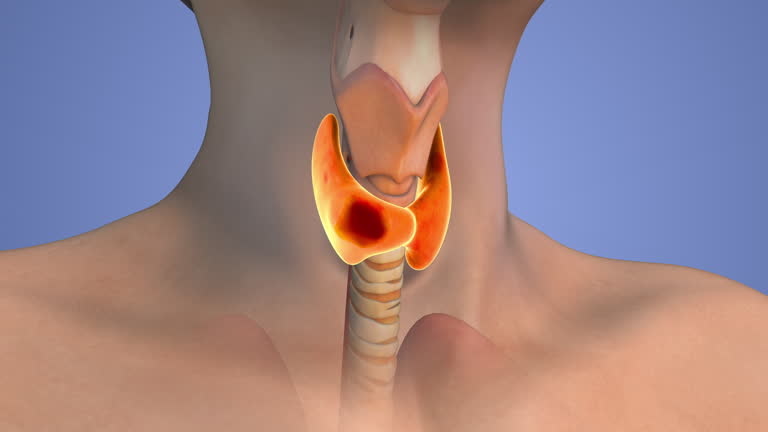
An expert recently shared helpful advice about thyroid health and the type of eating plan that may support people dealing with thyroid-related issues, especially in the early stage of treatment.
According to the discussion, one of the most common concerns is iodine deficiency, which can affect thyroid function. In newborns, this problem can often be identified through early screening tests. When thyroid issues are detected early, treatment is usually much easier and more effective.
The expert explained that hypothyroidism is one of the most common thyroid conditions, and if it is not recognized in time, it may lead to more serious complications. Because of this, early diagnosis and proper medical care are extremely important.
At the same time, nutrition also plays a major role in managing thyroid health. Many people with thyroid problems, especially women, may notice unwanted weight gain, slower metabolism, digestive discomfort, and increased fat accumulation. A well-balanced eating plan may help support better daily management, alongside the treatment recommended by a healthcare professional.
Below is a sample 1-week meal plan often suggested for people looking to follow a cleaner and more supportive diet during thyroid treatment.
Important note: This is a general meal plan for informational purposes only. People with thyroid conditions should always follow the advice of their doctor or dietitian, especially if they have other health concerns, food intolerances, or prescribed medications.
Monday
Breakfast:
Spinach omelet, 1 slice of gluten-free bread, and 1 cup of herbal tea with a little honey.
Lunch:
Arugula salad with strawberries, walnuts, and lactose-free cheese, served with chicken breast and baked vegetables such as zucchini, peppers, and carrots.
Dinner:
Quinoa with vegetables, including corn, peas, beans, olives, and avocado.
Tuesday
Breakfast:
Smoothie made with half a banana, 1 cup of strawberries, chia seeds, and 5 to 6 walnuts.
Lunch:
Fish soup and sea bass with baked vegetables such as potatoes and carrots.
Dinner:
Eggplant patties with a salad made from boiled chickpeas and mixed seeds like sesame and pumpkin seeds.
Wednesday
Breakfast:
Gluten-free toast with avocado spread and slices of boiled egg, plus 1 glass of orange juice.
Lunch:
Caesar salad and peppers stuffed with brown rice.
Dinner:
Creamy chicken soup with 1 to 2 bruschettas made from gluten-free bread and tomatoes.
Thursday
Breakfast:
Lactose-free yogurt with crushed walnuts and 1 spoon of honey, plus 1 banana.
Lunch:
Green salad with cucumber, lactose-free cheese, red onion, and olives, served with green beans and 1 slice of gluten-free bread.
Dinner:
A light vegetable-based meal or leftover green beans with a fresh salad.
Friday
Breakfast:
Gluten-free sandwich with lactose-free ricotta and arugula, plus 1 kiwi.
Lunch:
Spinach salad with apple, almonds, and mixed seeds, served with gluten-free pasta, sardines, and olives.
Dinner:
Zucchini patties with cold bean salad and mixed seeds.
Saturday
Breakfast:
Chia pudding made with 1 glass of lactose-free milk and 2 tablespoons of chia seeds, topped with strawberry slices, a little honey, and 5 to 6 almonds.
Lunch:
Tomato, cucumber, and onion salad with 1 slice of gluten-free bread and mixed baked vegetables.
Dinner:
Baked green beans with diced chicken and 1 boiled egg.
Sunday
Breakfast:
1 to 2 slices of gluten-free bread with peanut butter and apple slices, plus 1 glass of lactose-free milk.
Lunch:
Mixed green salad with tomatoes and cucumber, served with beef and baked potatoes.
Dinner:
Stuffed grape leaves and 1 cup of lactose-free yogurt.
Why Diet Matters in Thyroid Care
A thoughtful eating plan may help support the body when thyroid function is lower than normal. Many people with thyroid issues struggle with slower metabolism, weight gain, fatigue, and digestive changes. Choosing nutrient-rich meals with quality protein, vegetables, healthy fats, and lighter grains may help support better balance.
Some meal plans for thyroid support also focus on foods that are easier to digest, such as lactose-free and gluten-free options, though this may not be necessary for everyone. Individual needs can vary greatly, so personal guidance is always best.
Final Thoughts
Managing thyroid problems often requires a combination of early diagnosis, medical treatment, and supportive lifestyle habits. Nutrition is one of the most important parts of that process.
A clean, balanced weekly menu like this may help support energy, digestion, and weight management while the body responds to treatment. Still, the best results always come from following a plan tailored to your own needs by a qualified healthcare professional.