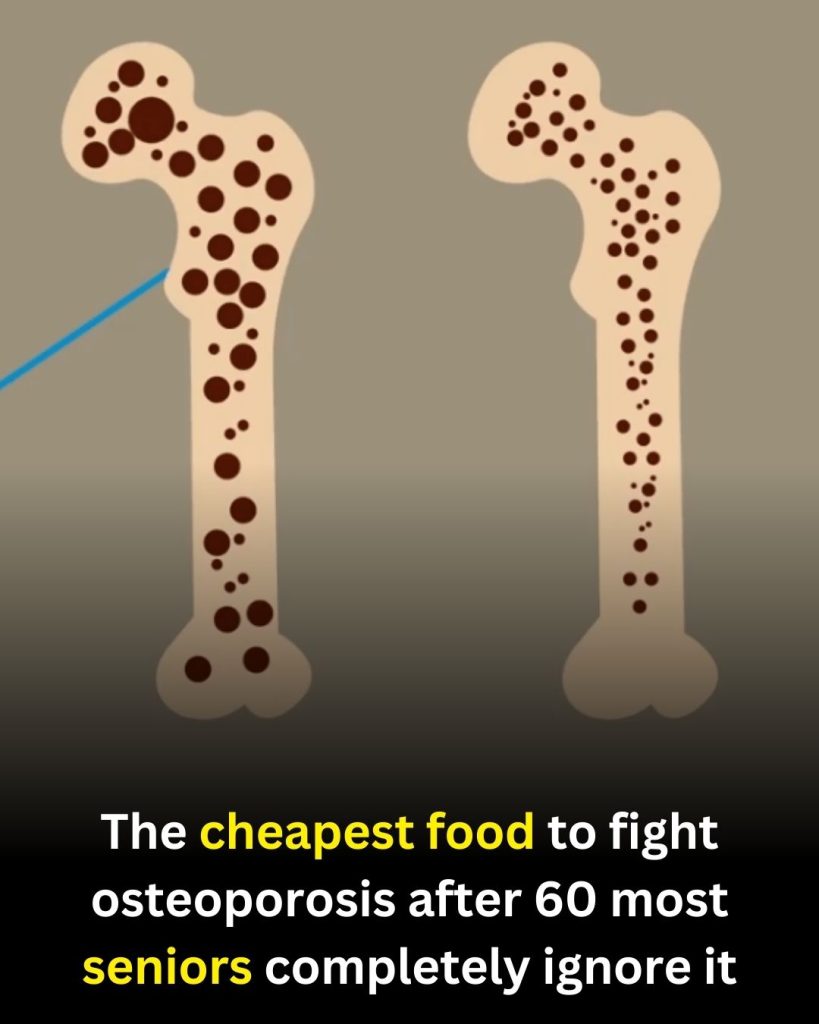

As we get older, keeping bones strong becomes more important. After age 60, natural bone thinning can increase the risk of fractures and reduced mobility. While genetics and lifestyle play a role, nutrition is one of the biggest factors in long-term bone health.
Many people assume only expensive supplements or specialty foods can help. But one simple, affordable pantry staple is often overlooked: canned sardines.
Let’s explore why this humble food can be a smart addition to a bone-friendly diet.
Why Bone Health Matters After 60
Bone density gradually decreases with age. This is a normal process, but when it progresses too far it can lead to osteoporosis, a condition where bones become fragile.
Healthy habits that support bones include:
• Regular weight-bearing exercise
• Adequate calcium and vitamin D
• Balanced protein intake
• Not smoking
• Moderate alcohol use
Diet plays a major supporting role — and that’s where sardines can fit in.
Why Sardines Are Nutritionally Valuable
Sardines are small oily fish that are usually eaten whole, including their soft edible bones. Because of this, they naturally contain several nutrients linked to bone support.
Key Nutrients in Sardines
Calcium
Sardines with bones are one of the richest natural calcium sources. Calcium is essential for maintaining bone structure.
Vitamin D
Vitamin D helps the body absorb calcium effectively.
Protein
Protein supports muscle strength, which helps protect bones and reduce fall risk.
Phosphorus
Works alongside calcium to maintain bone mineralization.
Omega-3 fatty acids
Known for supporting heart and joint health and reducing inflammation.
Practical Benefits
Many people appreciate sardines because they are:
• Affordable
• Widely available
• Easy to prepare
• Shelf-stable
• Versatile in recipes
They can be added to salads, whole-grain toast, tacos, or eaten with vegetables and lemon.
How Sardines Compare to Other Foods
| Food | Calcium (approx.) | Vitamin D | Cost | Other Benefits |
|---|---|---|---|---|
| Sardines | High | Moderate | Low | Omega-3, protein |
| Milk | Moderate | Low | Low | Hydration, protein |
| Yogurt | Moderate | Low | Moderate | Probiotics |
| Cheese | Moderate | Low | Moderate | Protein |
Sardines stand out because they combine calcium, vitamin D, and healthy fats in one food.
How to Add Sardines to Your Diet
Start simple:
• Try 1 serving once or twice per week
• Choose low-sodium options if watching blood pressure
• Pair with vegetables and whole grains
• Drink enough water
Important Notes
Sardines are supportive for bone health but not a cure for osteoporosis. They work best as part of a balanced diet and healthy lifestyle.
Consult a healthcare provider if you:
• Have osteoporosis
• Take medications
• Have kidney issues
• Need a personalized nutrition plan
The Bottom Line
Strong bones rely on consistent daily habits. Affordable foods like sardines can help contribute calcium, vitamin D, and protein — nutrients your body needs as you age.
You don’t need expensive products to support bone health. Sometimes, smart choices at the grocery store can make a meaningful difference over time.
Disclaimer:
This article is for informational purposes only and is not medical advice. Sardines support a balanced diet but do not treat or prevent disease. Always consult a qualified healthcare professional for medical guidance.