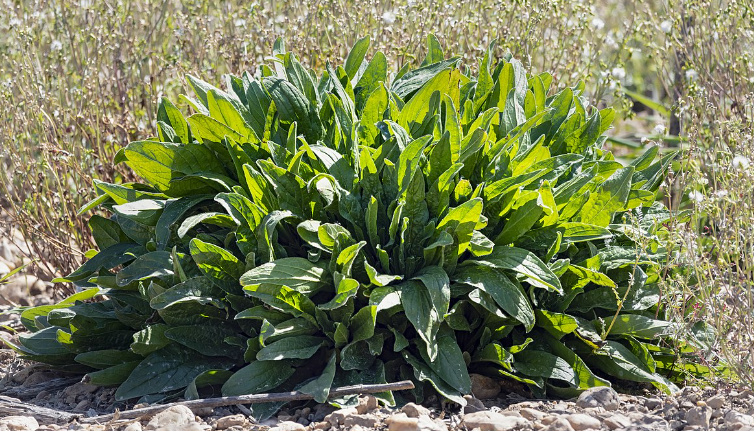
One of the plants people often notice growing along roadsides or in gardens is sorrel. While many pass by it without giving it much thought, this leafy herb has a long history of culinary and traditional use.
Sorrel is a perennial plant that has often been cultivated as a garden herb or leafy vegetable, although some varieties also grow wild. It is known for its sharp, tangy taste, which gives many dishes a fresh and distinctive flavor.
In Europe, sorrel was widely used during the Middle Ages to bring a pleasant sour note to food. Later, as lemons became more common in cooking, sorrel lost some of its popularity. In recent years, however, it has started to return to kitchens once again.
In traditional Albanian cuisine, sorrel has long held an important place. Many people may remember homemade pies prepared with sorrel by their mothers or grandmothers. Today, it is also added to salads, soups, and sauces for extra flavor and variety.
Beyond its culinary role, sorrel has also been valued in traditional practices for its rich nutritional content. It contains vitamins A and C, along with plant compounds that contribute to its strong antioxidant profile. Because of this, it can be a useful addition to a balanced diet that supports overall wellness and immune function.
Sorrel is also known for its naturally astringent properties due to compounds called tannins. These compounds are found in a variety of plants and may help explain why sorrel has traditionally been used in situations where people wanted to support the body during periods of excess mucus, such as during seasonal discomforts.
Its vitamin C content and antioxidant compounds also make sorrel a refreshing herb to include in meals during colder months, when many people focus more on foods that support the immune system and respiratory comfort.
Fresh sorrel leaves have also been used in simple traditional home practices. In some cases, clean fresh leaves were placed gently on irritated areas inside the mouth for short periods. While this reflects folk use, sorrel is best enjoyed as part of a healthy diet rather than relied upon as a treatment.
Another reason sorrel is appreciated is its potassium content. Potassium is an essential mineral involved in many functions of the body, including fluid balance and normal muscle and nerve function. Foods that naturally contain potassium can be a helpful part of a heart-friendly eating pattern.
Including sorrel in your meals can be an easy way to add more flavor and variety to your diet. Whether mixed into soups, blended into sauces, tossed into salads, or used in traditional savory pies, this simple plant offers both taste and nutritional value.
Final Thoughts
Sorrel is one of those humble plants that many people overlook, yet it has a rich history in both traditional cuisine and natural wellness habits. Its unique flavor, antioxidant content, and useful nutrients make it a valuable ingredient worth rediscovering in modern cooking.