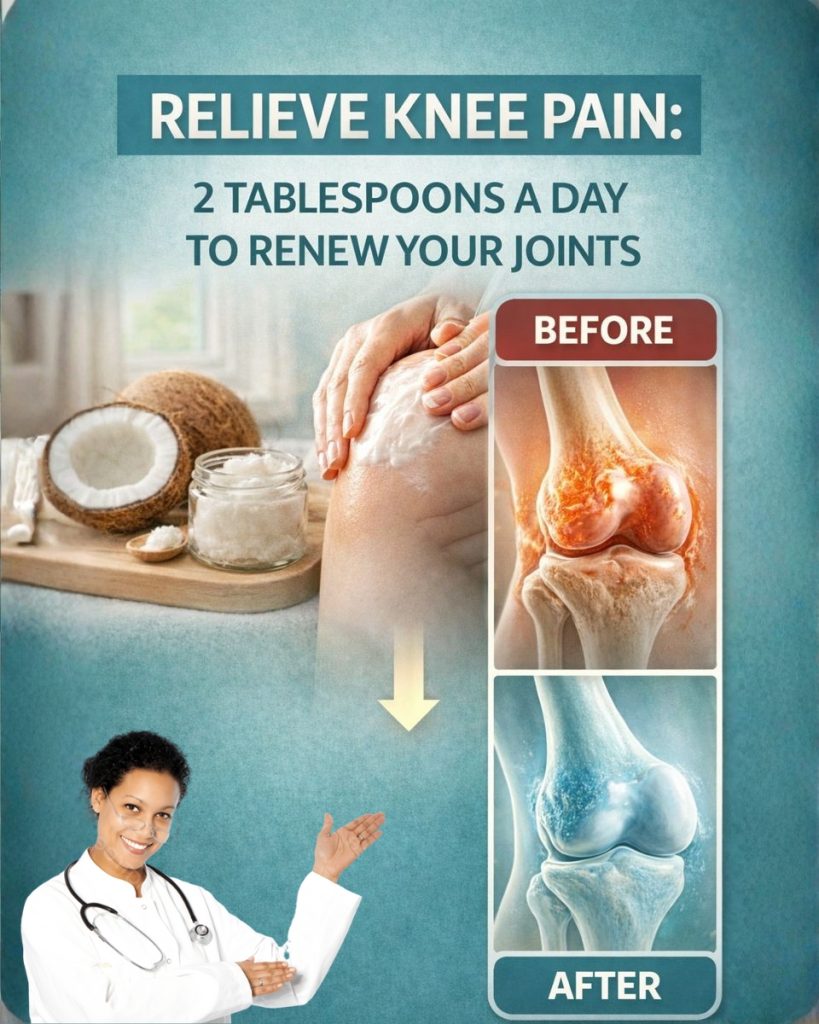

As we move past our mid-40s, many adults begin to notice subtle but frustrating changes in their knees — stiffness when getting out of bed, discomfort after walking, or swelling that makes everyday movements feel heavier than they used to. Simple activities like climbing stairs, taking long walks, or playing with grandchildren can become more challenging, leading to concern about joint wear and long-term mobility.
While joint discomfort is often linked to age-related cartilage wear, many people are now revisiting traditional, nourishing foods that may help support joint comfort naturally. One of the most talked-about options is bone broth — a warm, homemade staple prepared from chicken or beef bones that contains naturally occurring compounds such as collagen, amino acids, glucosamine, and minerals.
Preliminary research and traditional dietary practices suggest that bone broth may support joint tissues and comfort over time when consumed regularly as part of a balanced lifestyle. The key lies not only in what you consume, but how it’s prepared — a detail we’ll explore shortly.
🌿 Understanding Cartilage Wear — and Where Bone Broth Fits In
Knee cartilage acts as a natural cushion between bones, allowing smooth and pain-free movement. Over time, factors such as aging, excess weight, previous injuries, and repetitive stress may contribute to gradual cartilage thinning. This can lead to stiffness, reduced flexibility, and discomfort, especially in the morning or after physical activity.
Bone broth doesn’t rebuild cartilage overnight — and it’s important to be realistic — but its naturally occurring nutrients may provide gentle nutritional support for connective tissues when used consistently.
7 Potential Ways Bone Broth May Support Joint Comfort
7. Supporting Cartilage Structure
Bone broth contains collagen-derived peptides, which studies suggest may contribute to connective tissue maintenance. Some people report improved joint comfort after incorporating it into their daily routine.
6. Helping Calm Joint-Related Inflammation
Certain amino acids and micronutrients found in bone broth may help support the body’s natural inflammatory response, potentially easing that end-of-day knee heaviness many adults experience.
5. Encouraging Joint Lubrication
Glucosamine and chondroitin, naturally present in slow-cooked bone broth, are well-known for their role in joint cushioning and smooth movement.
4. Supporting Daily Mobility
Minerals such as magnesium and amino acids like glycine may help support muscle relaxation and flexibility, making everyday movements feel more fluid.
3. Supporting Bone Strength Alongside Cartilage
Bone broth provides calcium, phosphorus, and trace minerals that contribute to overall skeletal health — an important complement to joint support.
2. Encouraging Natural Repair Processes
Collagen peptides may support the body’s normal tissue renewal processes when paired with a balanced diet and healthy activity.
1. Supporting an Active Lifestyle
Many adults find that warm, nourishing foods like bone broth help them feel more comfortable staying active — an essential part of long-term joint health.
📊 Overview of Potential Benefits
| Potential Support | Key Nutrient | How It May Help |
|---|---|---|
| Cartilage structure | Collagen | Supports connective tissues |
| Joint comfort | Amino acids | Helps maintain flexibility |
| Reduced stiffness | Minerals | Supports muscle relaxation |
| Bone support | Calcium & phosphorus | Contributes to bone strength |
| Overall mobility | Nutrient synergy | Encourages daily movement |
📝 Practical Guide: How to Prepare Bone Broth Safely at Home
To get the most from bone broth, preparation matters.
Basic Guidelines
-
Use chicken or beef bones with joints and cartilage
-
Add vegetables, herbs, and a splash of vinegar (helps release minerals)
-
Simmer gently for 12–24 hours
-
Strain and store safely
How to Consume
-
Drink 1 warm cup per day, or
-
Use it as a base for soups, stews, or grains
Tips
-
Start with small amounts if you have a sensitive stomach
-
Choose high-quality bones from trusted sources
| Method | Suggested Use | Note |
|---|---|---|
| Plain broth | 1 cup daily | Avoid if allergic |
| In soups | 3–4 times/week | Watch sodium |
| Morning routine | With breakfast | Consult if medicated |
🚶 How to Get Started This Week
-
Purchase fresh bones from a butcher or market
-
Prepare a slow-cooked broth at home
-
Drink consistently for 2–4 weeks
-
Rotate recipes to keep it enjoyable
-
Monitor how your body responds
Many people notice subtle comfort improvements with patience and consistency.
🌟 Final Thoughts: Don’t Let Knee Discomfort Hold You Back
Bone broth is not a cure or a replacement for medical care — but as part of a balanced diet and active lifestyle, it may offer gentle nutritional support for joint comfort and mobility. Its warmth, simplicity, and traditional roots make it an easy habit to maintain.
💡 Tip: Adding ginger or turmeric may further support joint comfort thanks to their traditional use in anti-inflammatory diets.
❓ Frequently Asked Questions
Does bone broth rebuild cartilage quickly?
No. Results, if any, are gradual and vary by individual. Bone broth supports overall nutrition rather than acting as a quick fix.
Is bone broth safe for everyone?
Most people tolerate it well, but those with kidney issues, allergies, or on medication should consult a healthcare professional.
When might benefits be noticed?
Some people report changes within a few weeks, while others need 1–2 months of consistent use.
⚠️ Disclaimer:
This article is for educational purposes only and does not replace medical advice. Always consult a qualified healthcare professional before making changes to your diet or health routine.