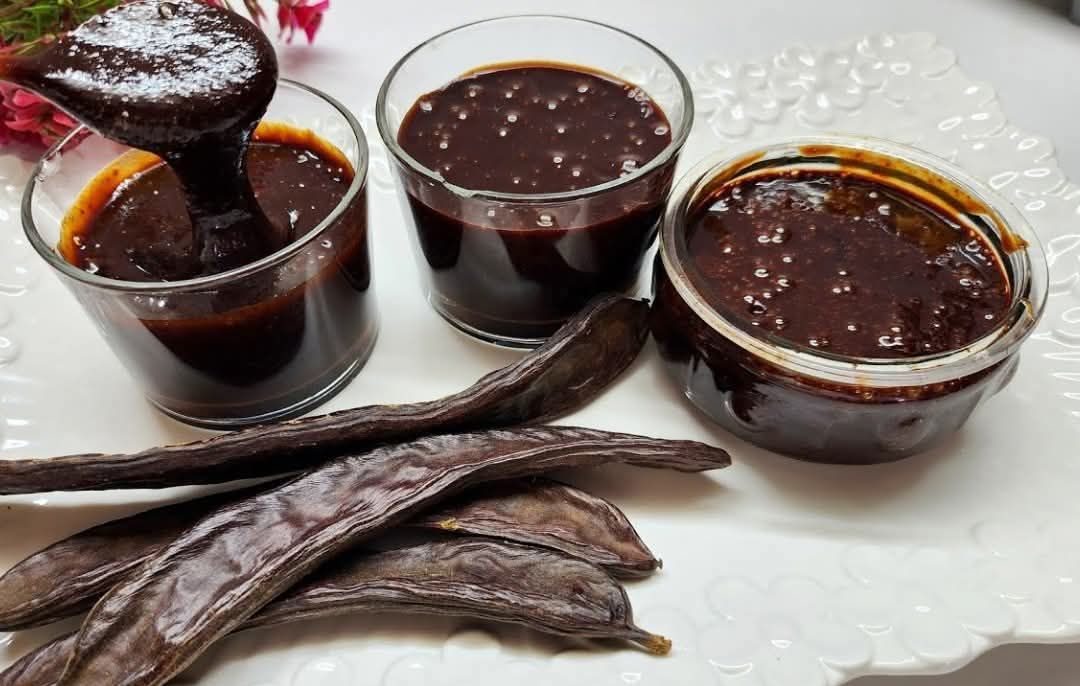
Carob, known scientifically as Ceratonia siliqua, is a naturally sweet pod that has been used for generations in traditional cooking. It is often compared to cocoa because carob powder can be used in desserts, drinks, spreads, and baked goods. However, carob has its own unique flavor, with a mild sweetness and a slightly earthy taste.
One of the reasons carob is so popular is that it is naturally caffeine-free, low in fat, and rich in fiber. It can be a useful ingredient for people who want a gentle alternative to cocoa or chocolate-style recipes.
What Makes Carob Special?
Carob is made from the dried pods of the carob tree. These pods are ground into powder or processed into syrup, chips, and other homemade preparations. Because carob has a naturally sweet taste, many people use it to reduce the amount of added sugar in recipes.
It is also gluten-free, making it suitable for people who avoid gluten. Still, anyone with celiac disease should always choose certified gluten-free products to avoid cross-contamination.
Potential Health Benefits of Carob
Rich in Antioxidants
Carob contains natural plant compounds, including polyphenols, which help protect the body from oxidative stress. Antioxidant-rich foods can support general wellness when included in a balanced diet.
High in Fiber
Carob is known for its fiber content. Fiber supports healthy digestion, helps promote regular bowel movements, and may contribute to a feeling of fullness after meals.
Naturally Caffeine-Free
Unlike cocoa, carob does not contain caffeine. This makes it a good option for people who are sensitive to caffeine or prefer to avoid stimulants, especially in the evening.
Low in Fat
Carob powder is naturally low in fat, which makes it a lighter option for desserts and drinks compared with some chocolate-based ingredients.
A Natural Sweetener
Because carob has a naturally sweet flavor, it can help reduce the need for extra sugar in some recipes. This makes it useful in smoothies, energy bars, baked goods, and homemade spreads.
Contains Calcium
Carob provides calcium, a mineral important for bones and teeth. It is also often described as an oxalate-free alternative to cocoa, which may be helpful for people who are watching oxalate intake.
Supports Heart-Friendly Eating
Carob contains no cholesterol and can be part of a heart-conscious diet when used in place of high-fat or heavily sweetened dessert ingredients.
Gentle Digestive Support
Carob contains tannins, which have traditionally been used to support digestion. In some cultures, carob has also been used as a gentle food for occasional loose stools. However, persistent diarrhea should always be discussed with a healthcare provider.
May Support Weight Management
Because carob is high in fiber and naturally sweet, it may help satisfy cravings in a more balanced way. It is not a weight-loss cure, but it can be a helpful ingredient in healthier homemade snacks.
Simple Homemade Uses for Carob
1. Carob Powder for Baking
Carob powder can replace cocoa powder in many recipes using a 1:1 ratio. Since carob is naturally sweeter than cocoa, you may be able to reduce the amount of sugar in the recipe. If the batter feels too dry, add a small amount of extra liquid.
2. Carob Syrup
To make a simple carob syrup, boil 5 to 6 dried carob pods in 4 cups of water for about 30 minutes. Strain the liquid, then simmer it again until it becomes thicker. Use it as a topping for pancakes, yogurt, oatmeal, or desserts.
3. Carob Tea
Boil 1 to 2 dried carob pods, or 2 tablespoons of carob powder, in 3 cups of water for about 10 minutes. Strain and serve warm. You can add cinnamon or a small amount of honey if desired.
4. Warm Carob Milk
Heat 2 cups of regular milk or plant-based milk. Add 1 tablespoon of carob powder and stir well until smooth. Sweeten lightly if needed. This makes a comforting caffeine-free drink.
No-Bake Carob Energy Bars
These homemade bars are easy to prepare and make a satisfying snack.
Ingredients
- 200 g rolled oats, coarsely ground
- 100 g carob powder
- 100 g nuts, such as almonds, cashews, or mixed nuts
- 150 g pitted dates or raisins
- 3 tablespoons melted coconut oil
- 2 tablespoons honey or maple syrup
- 1 teaspoon cinnamon, optional
- A pinch of salt
Instructions
Place the dates in a blender or food processor and blend until they become a sticky paste.
Add the oats, carob powder, nuts, cinnamon, and salt. Blend again until the mixture starts to combine.
Add the melted coconut oil and honey or maple syrup. Blend until you get a sticky mixture that holds together when pressed.
Line a small tray with parchment paper. Press the mixture firmly into the tray, about 2 cm thick.
Refrigerate for 2 to 3 hours, then cut into bars. Store in an airtight container in the refrigerator.
More Easy Carob Ideas
Carob Spread
Mix 2 tablespoons of carob powder with 1 tablespoon of coconut oil, 2 tablespoons of honey, and 2 tablespoons of milk powder. Stir until smooth and store in a clean jar. Use as a spread for bread, toast, or pancakes.
Carob Ice Cream
Blend 3 frozen bananas with 1 cup of milk, 2 tablespoons of carob powder, and a little honey. Freeze for 1 to 2 hours before serving for a thicker texture.
Homemade Carob Chips
Mix 1/2 cup melted coconut oil with 1/2 cup carob powder and honey to taste. Pour the mixture onto parchment paper and freeze for about 1 hour. Break into small chips and use in desserts or snacks.
Precautions Before Using Carob
Carob is generally considered safe as a food, but moderation is still important. Because it is naturally sweet, people with diabetes or blood sugar concerns should use it carefully and monitor portion sizes.
Some people may experience gas or bloating if they eat too much carob because of its fiber and tannin content. Rare allergic reactions are also possible, especially in people sensitive to legumes.
When giving carob to children, introduce it slowly and in small amounts to check for sensitivity.
Final Thoughts
Carob is a versatile, naturally sweet ingredient that can be used in drinks, desserts, spreads, syrups, and no-bake snacks. It is caffeine-free, rich in fiber, low in fat, and easy to include in homemade recipes.
Whether you use it as a cocoa alternative or simply want to try something new, carob can be a delicious addition to a balanced kitchen.
Disclaimer: This article is for informational purposes only and does not replace medical advice. If you have diabetes, digestive issues, allergies, or any health condition, consult a qualified healthcare professional before adding large amounts of carob to your diet.