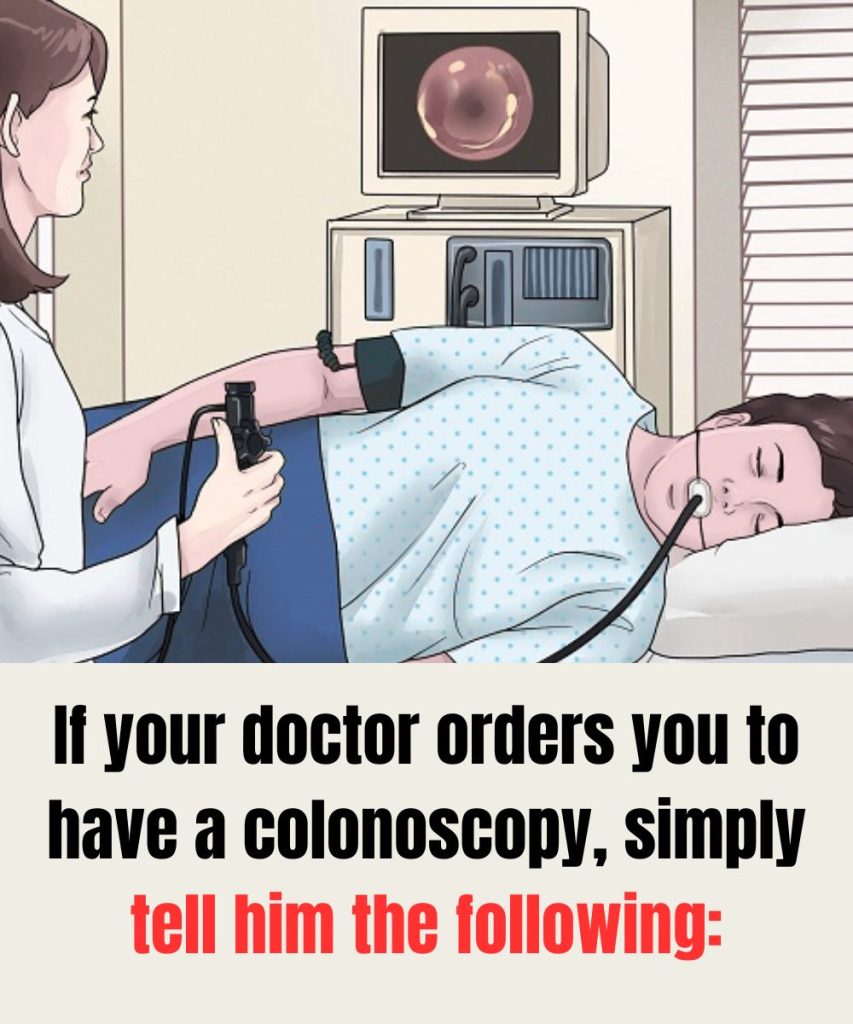

Why the Word “Colonoscopy” Triggers So Much Anxiety
For many people, simply hearing the word colonoscopy immediately brings feelings of fear, discomfort, or outright rejection. This procedure is often surrounded by embarrassment, myths, and misunderstanding, which leads many individuals to delay or avoid it altogether. In reality, colonoscopies have gained a far worse reputation than they deserve. When a doctor recommends one, it is not a random or unnecessary routine—it is usually a thoughtful decision made to protect your health and detect potential problems early.
The One Question You Should Ask Before Saying “I Don’t Want to Do It”
If your doctor suggests a colonoscopy, the most important response is not refusal, but curiosity. A responsible and essential question to ask is:
“Why are you recommending this test, and what are you looking for?”
This question is completely valid and part of your rights as a patient. Understanding the reason behind the recommendation allows you to take an active role in your healthcare and make informed decisions about your well-being.
What Is a Colonoscopy Used For?
A colonoscopy allows doctors to examine the inside of the colon and rectum and serves several important purposes, including:
Detecting polyps
- Investigating ongoing abdominal pain
- Evaluating changes in bowel habits
- Identifying the source of bleeding or unexplained anemia
- Preventing and detecting colorectal cancer
In many cases, it helps identify abnormalities at an early stage—often before symptoms appear—when treatment is far more effective.
Where Does the Fear Come From?
Much of the anxiety surrounding colonoscopies comes from a lack of accurate information. Many people imagine the procedure to be painful or traumatic. In reality, it is typically performed under sedation, meaning patients are relaxed and do not feel pain. The procedure usually lasts 20 to 45 minutes, and recovery is generally quick.
For most patients, the most uncomfortable part is not the test itself, but the preparation beforehand. While inconvenient, this step is temporary and essential for obtaining accurate results.
Why Timing Matters

Having a colonoscopy at the right time can be life-changing—especially for people over 45, those with a family history of colorectal cancer, or anyone experiencing persistent digestive symptoms. This test is not an extreme measure; it is a proactive form of preventive care that can stop serious conditions before they develop further.
Questions Worth Discussing With Your Doctor
Before agreeing to or postponing the procedure, it’s wise to have an open conversation with your healthcare provider. Helpful questions may include:
- What symptoms or findings led you to recommend this test?
- What are the risks of delaying or skipping it?
- Are there alternative or complementary tests available?
These questions do not challenge your doctor—they strengthen communication and support better decision-making.
A Tool for Prevention, Not Punishment
Your health decisions should always be based on clear information. A colonoscopy is not a punishment or a diagnosis—it is a powerful medical tool that allows doctors to act before disease progresses silently. In many cases, it can prevent the need for more invasive treatments later on.
Changing Your Perspective
If your doctor recommends a colonoscopy, try viewing it differently. Instead of seeing it as something negative, consider it an opportunity to take control of your health. Being informed, asking questions, and understanding the purpose of the test can significantly reduce fear and empower you as a patient.
The next time you hear, “You need a colonoscopy,” take a moment, listen carefully, and engage in the conversation. Calmly saying,
“That sounds reasonable—please explain why and how it will help me,”
may be the first step toward a thoughtful and beneficial decision for your long-term health.