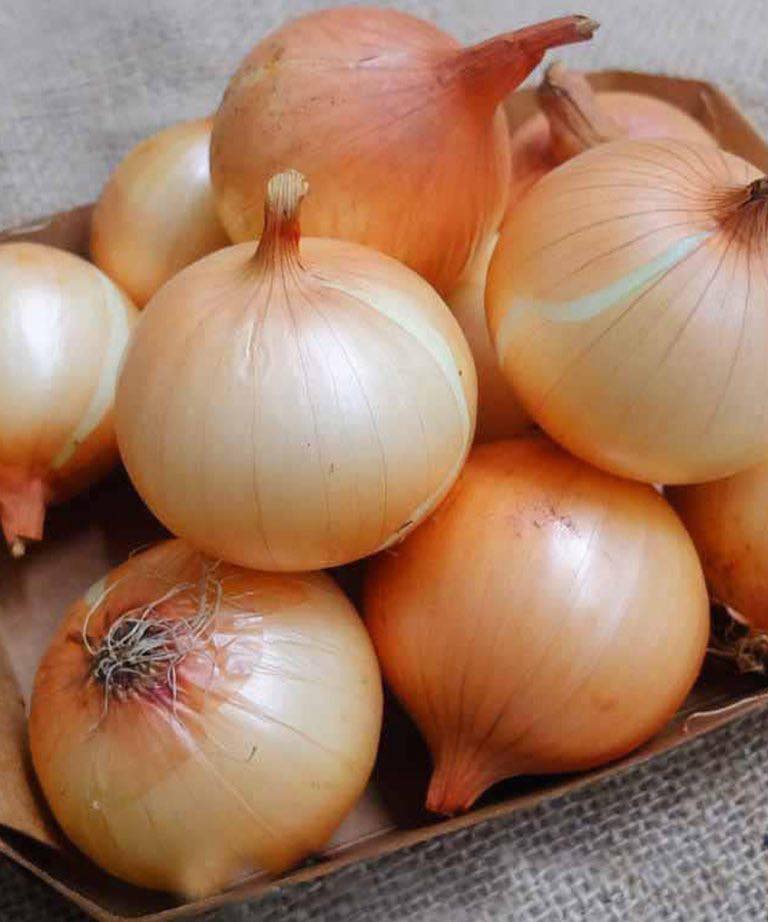
Onions are one of the most common ingredients in kitchens around the world, yet their health benefits are often overlooked. Used for centuries in traditional medicine and everyday cooking, onions are packed with powerful compounds that support overall well-being.
From strengthening the immune system to improving heart health and digestion, eating onions regularly can have a surprisingly positive impact on the body.
This article explores the key benefits of making onions a consistent part of your daily diet and why this humble vegetable deserves more attention.
1. Cancer Prevention
Onions help reduce the risk of certain cancers, such as stomach and colorectal cancer.
Fisetin and quercetin, flavonoid antioxidants also found in this food, can inhibit tumor growth.
2. Bone Health Enhancement
Onions are a familiar ingredient used in many dishes, offering benefits in supporting bone health. They help reduce oxidative stress, increase antioxidant levels, prevent osteoporosis, and increase bone density.
3. Diabetes Treatment Contributes
Onions contain specific compounds such as quercetin, an organic sulfur compound that can stimulate insulin production, helping to fight diabetes. Consuming onions helps control blood sugar levels, which is important for people with diabetes.
4. Boosting the Immune System
Adding onions to your meals can help boost your immune system.
Many nutrients such as vitamin C, zinc, quercetin, and flavonoids contained in this familiar food are very good for the body.
They support healthy development and are excellent antioxidants to help the body fight disease-causing viruses.
Other Benefits
In addition, onions have several other benefits such as helping to prevent and treat insomnia, reduce colds, treat sore throats, improve asthma, sinusitis, etc.
Furthermore, when using onions, you should also note the following:
– You should only eat a maximum of about 30-50 grams of onions per day; do not eat too much.
– Avoid eating onions with certain foods such as seaweed, honey, shrimp, or fish.
In some cases, individuals with conditions such as stomach ulcers, conjunctivitis, or low blood pressure should also limit their onion consumption.
If you experience any adverse reactions after eating onions, please consult a doctor for examination, diagnosis, and timely treatment.