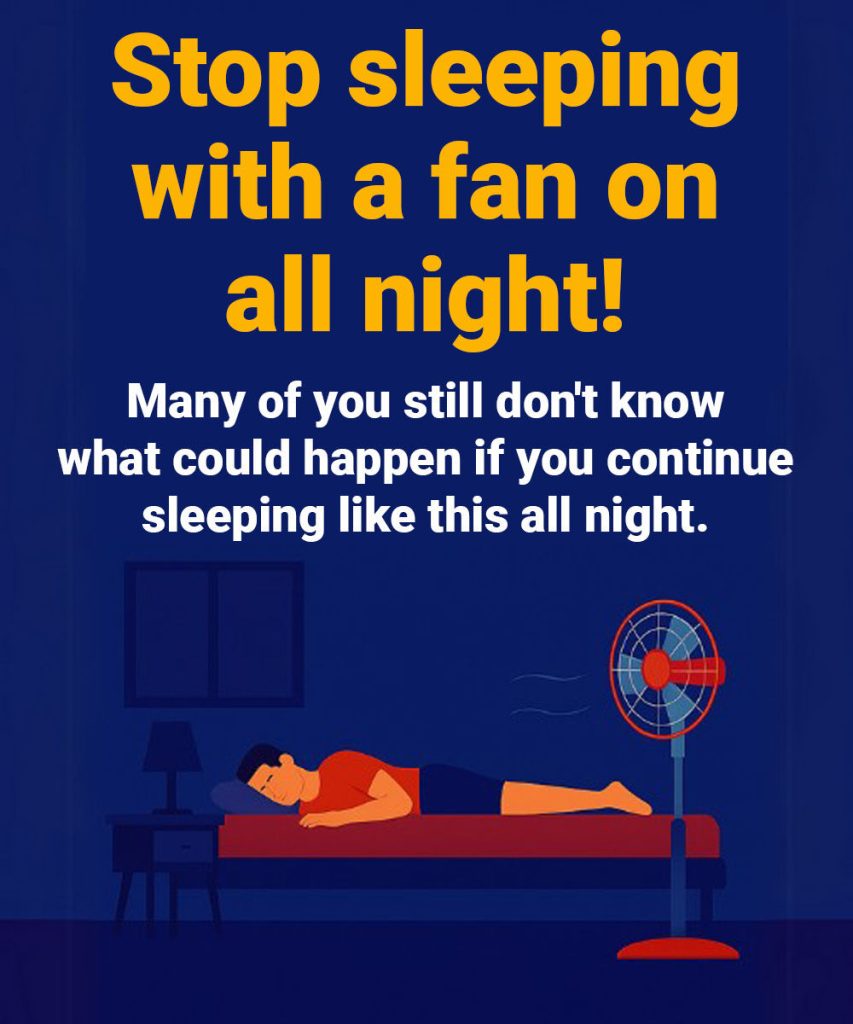

For many people, sleeping with a fan on feels comforting. The cool air, soft noise, and steady breeze can make it easier to fall asleep. In fact, sleep experts note that sleeping with a fan on is generally considered safe for most people. But that does not mean it is ideal for everyone, especially if you wake up with a dry throat, stuffy nose, irritated eyes, or worse allergy symptoms.
One of the biggest concerns is dry air and direct airflow. Medical and sleep sources say that air blowing on you for hours can dry out your mouth, nose, and throat, and direct airflow can also worsen dry eyes, especially if the fan is pointed toward your face all night.
Another issue is allergens. Fans can stir up dust, pollen, and other particles already in the room, which may trigger or worsen allergy symptoms in sensitive people. Cleveland Clinic specifically warns that ceiling fans can fling dust around the room if they are not kept clean, and dust-mite allergy symptoms commonly include congestion, watery eyes, runny nose, and sneezing.
That is why some people wake up feeling worse instead of better. If you already deal with allergies, sinus problems, or sensitivity to dry air, sleeping with a fan on all night may leave you with a dry throat, nasal irritation, more mucus, or morning congestion. Dry air can also irritate the airways, and Cleveland Clinic notes it can contribute to respiratory irritation and nosebleeds in some situations.
This does not mean fans are dangerous for everyone. Sleep Foundation says sleeping with a fan on is usually safe, and some people sleep better with the cooling effect or the white noise. The real problem is using it in a way that makes your bedroom air harsher on your eyes, nose, or throat.
How to use a fan more safely at night
If you do not want to give it up, there are smarter ways to use it. Try pointing the fan away from your face, using a lower setting, or using the oscillating mode instead of a constant direct stream. Keeping the room and the fan blades clean can also help reduce the dust being pushed around while you sleep.
If dry throat or congestion is the main problem, staying hydrated and adding moisture to the room may help. Sleep and medical sources also suggest addressing underlying causes like allergies, reflux, or mouth breathing if symptoms keep happening.
Final thoughts
Sleeping with a fan on all night is not automatically harmful, but it is not always harmless either. For some people, it can dry out the eyes, nose, and throat, and it may also spread dust and allergens around the bedroom.
So the better message is this: don’t assume the fan is helping just because it feels comfortable at first. If you keep waking up congested, sneezy, dry, or irritated, your all-night fan may be part of the reason.