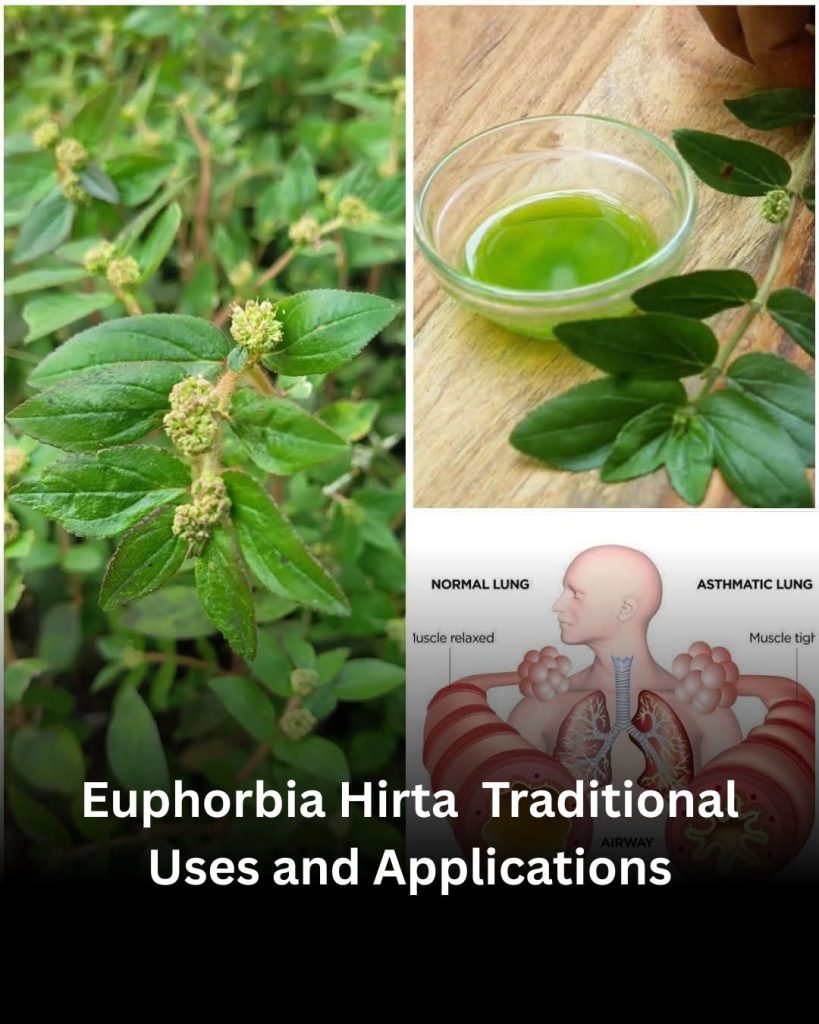

Euphorbia hirta, commonly known as the asthma plant, is a herbaceous species widely recognized in traditional medicine. Its popularity comes from its wide range of uses, from supporting respiratory health to addressing digestive and skin concerns. This article explores the traditional applications of Euphorbia hirta, how it is commonly prepared, and what science currently suggests about its potential benefits.
Respiratory Benefits
One of the best-known uses of Euphorbia hirta is for respiratory conditions such as asthma, bronchitis, and persistent coughs. Traditionally, the leaves are brewed into a tea or decoction. This preparation is believed to have bronchodilatory effects, which may help relax airway muscles and make breathing easier for people with asthma.
Gastrointestinal Uses
Euphorbia hirta is also valued for digestive health. In traditional practices, it is used for diarrhea and dysentery due to its reputed anti-diarrheal and anti-inflammatory properties. Some believe it may help reduce intestinal spasms, making it potentially useful for symptoms associated with irritable bowel syndrome (IBS).
Skin Applications
Topically, the plant is applied as a paste or infusion for skin issues such as warts, boils, rashes, and minor wounds. Its traditional use is linked to possible antimicrobial and anti-inflammatory effects that may support skin healing.
Antimicrobial Potential
The plant is often described as having broad antimicrobial properties against bacteria, fungi, and viruses. While promising, scientific research in this area is still developing, and more studies are needed to confirm these effects.
Pain and Inflammation Relief
Because of its traditional analgesic and anti-inflammatory uses, Euphorbia hirta is sometimes used for joint pain, muscle strains, and headaches. It may be consumed as tea or applied externally as a poultice.
Fever Reduction
In many cultures, Euphorbia hirta tea is used to help reduce fever. It is traditionally believed to have a cooling effect on the body, though scientific validation remains limited.
Urinary Tract Support
The plant has also been used for urinary tract concerns. Its supposed diuretic effect may promote urine flow, which traditionally is thought to help flush the urinary system. However, clinical evidence is limited.
Antioxidant Properties
Interest in Euphorbia hirta has grown due to its potential antioxidant compounds, which may help combat oxidative stress linked to chronic disease.
Preparation and Use
Most commonly, the leaves are boiled to make tea. For topical use, leaves are crushed into a paste and applied to the skin. Preparation methods and amounts vary widely in traditional practice.
Safety and Precautions
Despite its long history of use, caution is important. Some parts of the plant may be toxic in large amounts, and side effects or drug interactions are possible. Pregnant or breastfeeding individuals and those with medical conditions should consult a healthcare professional before use.
Conclusion
Euphorbia hirta is a versatile medicinal plant with a strong presence in traditional healing. While its uses are wide-ranging, modern scientific evidence is still catching up. Responsible use and professional guidance are always recommended when considering herbal remedies.