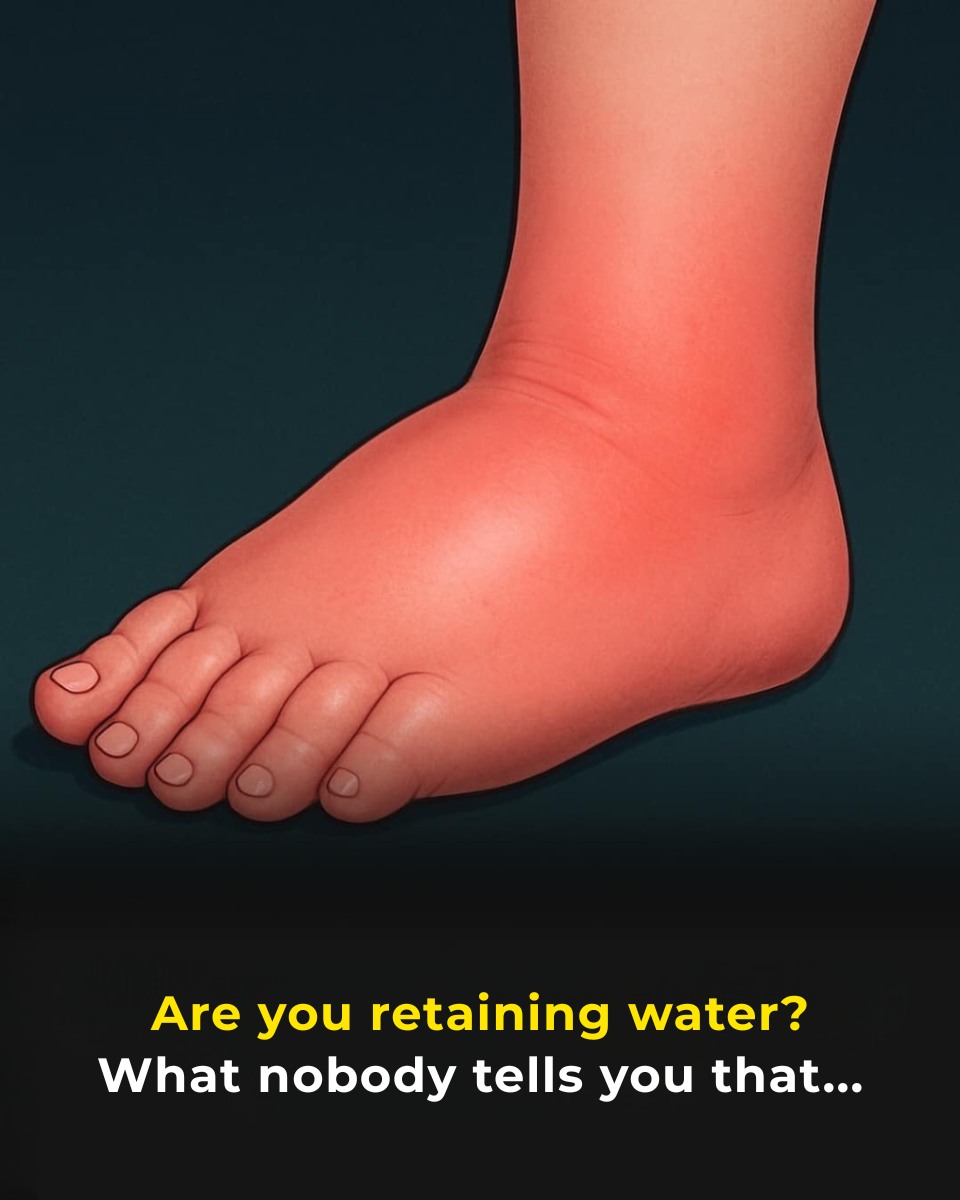
Waking up with a puffy face, noticing ankle marks at the end of the day, feeling tightness in your hands, or realizing your clothes fit tighter at night than in the morning are not things you should consider normal.
These changes are often signs of fluid retention—an indication that the body is holding more water than it needs and that its internal regulation system isn’t functioning properly.
Although many people brush it off with explanations like “I ate something salty,” “it’s the weather,” or “I’ve always been like this,” persistent swelling usually points to a real imbalance within the body.
How Fluid Retention Happens Inside the Body
The lymphatic system and the circulatory system play essential roles: they move fluids, transport nutrients, remove waste, and regulate the balance of sodium and water.
When this network is disrupted, fluid begins to get trapped in the tissues, creating a feeling of heaviness, swelling, and discomfort that can appear in different parts of the body.
Common signs include tired legs, stiff hands, a bloated abdomen, swollen eyelids, and a general sense of fatigue without any clear explanation. Some people also notice difficulty moving their joints due to the pressure caused by excess fluid.
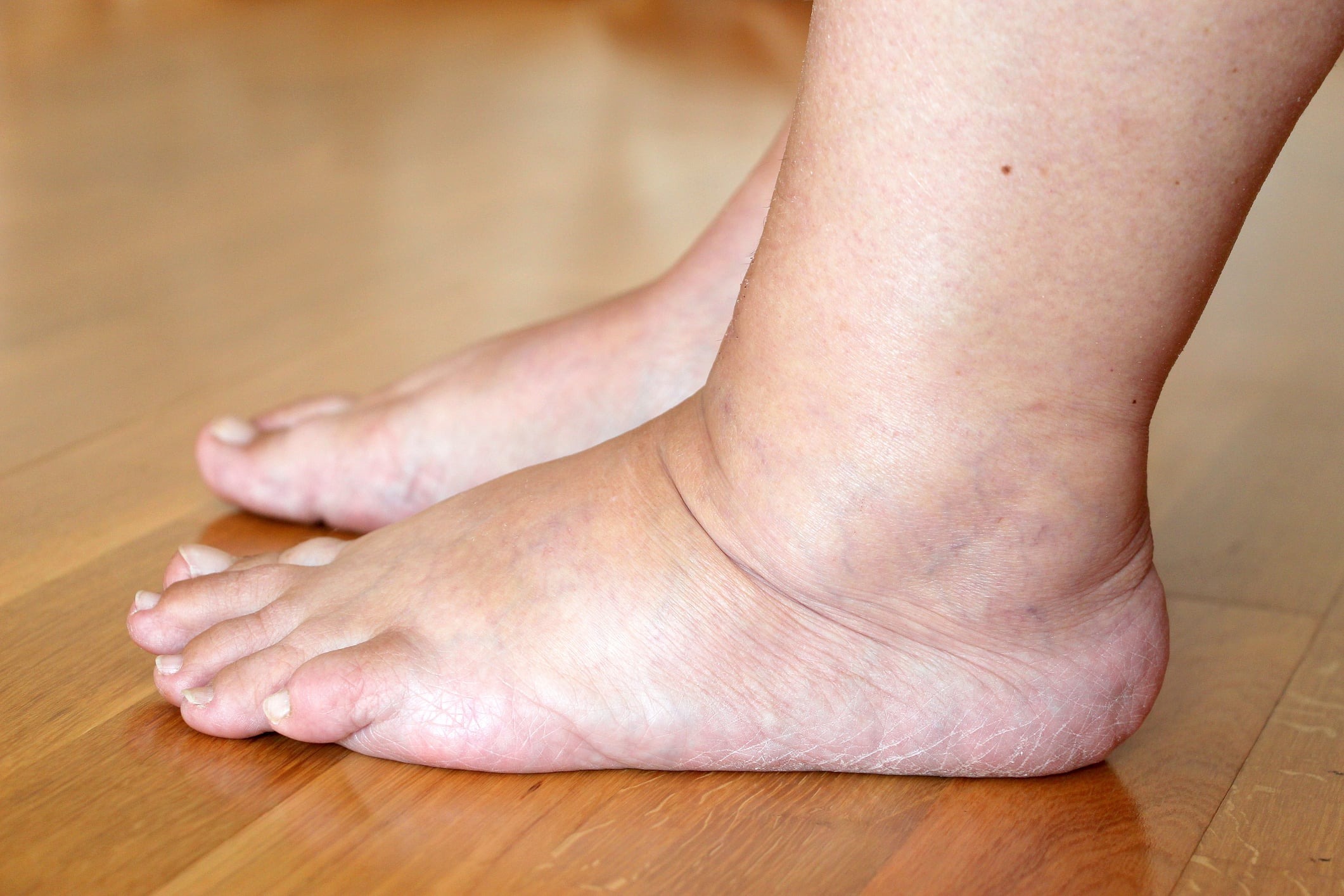
What Causes the Body to Retain Liquid
This phenomenon doesn’t appear out of nowhere. A diet high in salt, poor hydration, lack of rest, and a sedentary lifestyle all contribute to blocking the body’s internal drainage system.
Prolonged stress and frequent consumption of sugary beverages also play a role. When all of these factors combine, the body can’t cleanse itself efficiently, and fluid accumulation becomes a visible symptom of that imbalance.
Simple Ways to Reduce Swelling
There are simple and effective steps that can help relieve the problem and promote proper drainage. Drinking enough water is essential: although it may seem contradictory, when the body senses it’s not receiving enough hydration, it holds on to more fluid to compensate.
Reducing sodium intake is also key, since excess salt acts like a sponge inside the body, trapping water in the tissues. Staying active throughout the day helps stimulate circulation and prevents fluids from pooling—especially in the legs and ankles.
Foods with high water content and certain natural ingredients can also support this process. Options like cucumber, celery, pineapple, lemon, parsley, and some herbal teas can gently encourage fluid elimination. They’re not miracle solutions, but including them in your daily diet provides benefits the body can use to restore its balance.
Why Sleep Matters
Proper rest also plays an important role. Sleeping too little or having irregular sleep cycles disrupts hormones that influence fluid retention, leading to persistent swelling. A tired body cannot repair or self-regulate effectively, and visible inflammation is often one of the first signs that something is off.
When to Seek Medical Advice
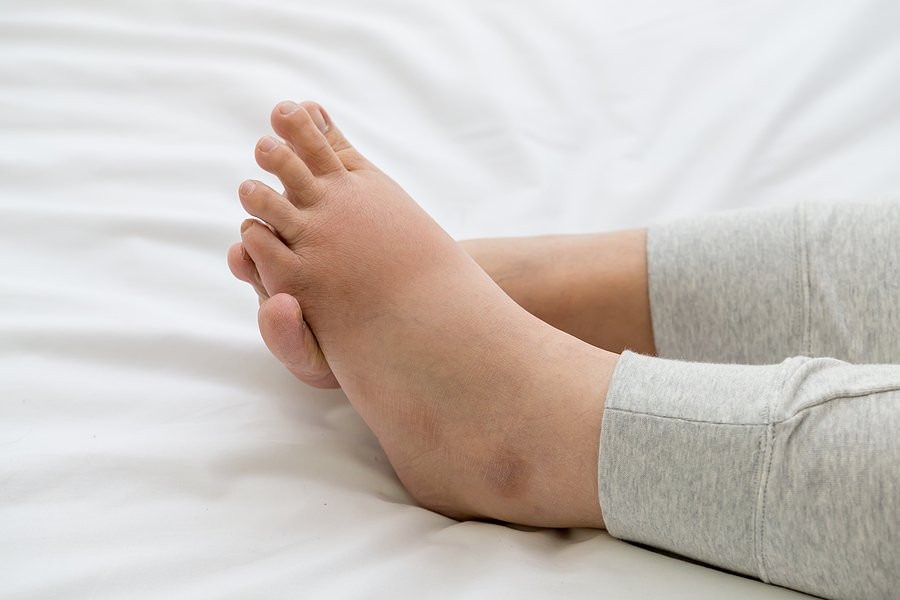
However, some warning signs require professional attention. If swelling is constant, painful, worsens as the hours pass, leaves visible marks on the skin, or occurs alongside shortness of breath, it’s essential to consult a specialist. These symptoms may indicate an underlying condition that needs immediate evaluation.
Listen to What Your Body Is Telling You
Fluid retention should not be seen as a cosmetic issue or a minor inconvenience. It’s one way the body signals that something isn’t functioning as it should.
When your skin shows marks, when your body feels heavy, or when swelling appears without a clear reason, it’s not a superficial message—it’s an internal warning.
Paying attention to these signs and acting early can prevent complications and help your body restore its natural balance. Ignoring them, on the other hand, only prolongs a situation that could eventually affect your overall well-being.