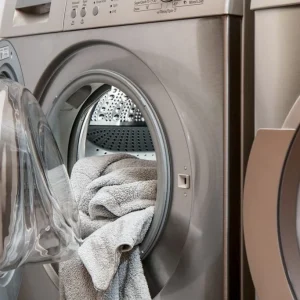
Bleach stains on colored clothes are a common and very frustrating problem in many households. Sometimes a bright shirt accidentally ends up in the load with white laundry. Other times a few drops of bleach splash onto clothing while cleaning the bathroom or kitchen. No matter how it happens, the result is usually the same. A once favorite garment is suddenly marked with pale spots that seem impossible to remove.
Most people believe there is no solution. The stained piece is either thrown away or treated with commercial fabric dye that rarely matches the original color and often leaves the garment looking uneven or artificial. What many do not realize is that bleach stains can sometimes be neutralized or softened with simple ingredients that are safe, affordable, and easy to find.
It is also important to remember that bleach is not only harsh on fabrics but also on our health. It releases strong fumes that can irritate the eyes, throat, and lungs. Direct contact with skin can cause burns and dryness. For these reasons, finding ways to repair bleach damage without additional chemicals is beneficial for both clothing and personal safety.
Below are two effective methods that can help restore the appearance of colored clothes affected by bleach.
First trick. Neutralizing the bleach
This method works best on fresh or lightly faded bleach stains.
You will need 250 milliliters of room temperature water and one tablespoon of sodium thiosulfate. Sodium thiosulfate is often sold in photography supply stores or pharmacies and is commonly used to neutralize chlorine.
Mix the water and sodium thiosulfate until it dissolves completely. Pour the solution directly onto the bleach stain, making sure the area is fully saturated. Allow it to sit for several minutes so the chemical reaction can stop the bleaching process. After that, rinse the garment with cold water and wash it normally. Avoid rubbing the fabric, as rubbing can damage weakened fibers and spread discoloration.
Many people notice that the stained area becomes significantly less visible after this treatment, especially if the bleach exposure was recent.
Second trick. Blending the discoloration
If the stain remains visible after neutralizing, the second method can help blend the faded area back into the surrounding fabric.
Mix equal parts rubbing alcohol and white vinegar in a small bowl. Dampen a clean cloth in the solution and gently dab the stained area. Do not rub. Gentle pressure allows the liquid to penetrate the fibers and redistribute some of the surrounding dye into the lighter spot.
After dabbing for several minutes, rinse the garment with cold water. Let it air dry and examine the area. If necessary, repeat the process until the stain becomes much less noticeable or disappears entirely. This technique works especially well on darker colors and cotton fabrics.
Additional tips for best results
Always test any solution on a hidden seam before treating the visible stain. Different fabrics and dyes react differently, and testing prevents accidental damage. Work slowly and patiently. The process often improves with repeated gentle treatments rather than one aggressive attempt.
Avoid heat during the process. Hot water and dryers can permanently set discoloration, making stains more difficult to correct. Cold water is always the safest option.
Final thoughts
Bleach stains no longer have to mean the end of a garment. With these two simple techniques, many clothes that would normally be discarded can be saved and worn again. Beyond saving money, restoring clothing reduces waste and promotes more responsible consumption. Sometimes a small household solution can make a surprisingly big difference.