
The liver is a vital organ for our well-being. It is responsible for filtering toxins, metabolizing nutrients, regulating fats, and supporting digestion.
However, when it is overloaded—due to poor eating habits, stress, excessive alcohol consumption, or medications—it can begin to send subtle signals that should not be ignored.
1. Subtle Signs of a Fatigued Liver
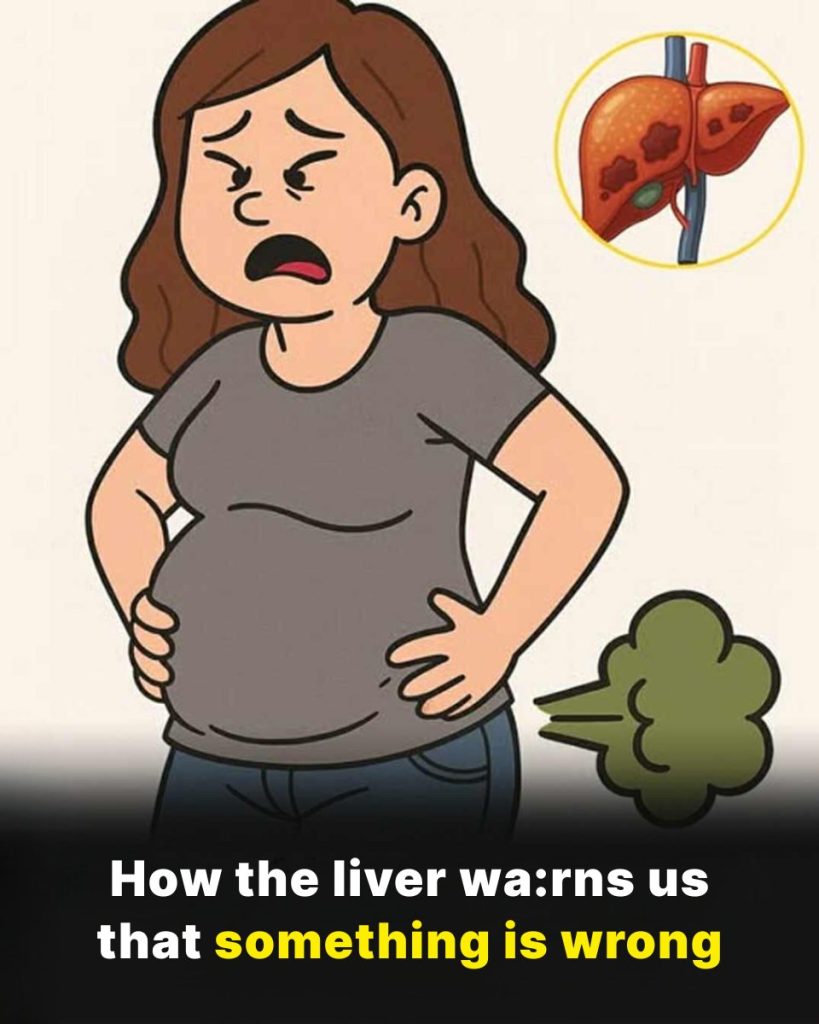
It’s common for a tired liver not to cause sharp pain at first, but rather more discreet symptoms that are often mistaken for other issues. For example, if you experience constant fatigue even after a good night’s sleep, it could be a sign that your liver is functioning below its optimal capacity. Other signs include abdominal bloating, frequent gas, or a feeling of heaviness after eating.
2. What Your Skin and Breath May Be Telling You
The skin can also reflect liver problems. You may notice irritation, acne breakouts, or dark spots appearing without an obvious cause. Likewise, persistent bad breath or a metallic taste in the mouth can indicate that toxins are not being properly processed.
3. Changes in Urine, Stool, and Abdominal Discomfort
Another important indicator is a change in the color of urine and stool. If your urine becomes very dark and your stools appear lighter than usual, your liver may need urgent support. Pain or pressure on the right side of the abdomen, just below the ribs, can also be a warning sign.
4. Difficulty Losing Weight
Additionally, if you are struggling to lose weight despite making an effort, it may be because your liver is overloaded and unable to properly process fats and toxins.
5. Natural Habits to Support Liver Health
To keep this organ in optimal condition, there are natural habits that promote detoxification and regeneration. One simple and effective practice is starting the day with a glass of warm water and lemon, which stimulates liver function and improves digestion.
6. Foods and Infusions That Help Cleanse the Liver
Including chlorophyll-rich foods such as spinach, broccoli, artichokes, and arugula provides nutrients that help cleanse and protect the liver. Herbal infusions made from milk thistle, dandelion, or turmeric are well known for their cleansing and regenerative properties, supporting the recovery of liver tissue.
What to Avoid for a Healthier Liver
It is also essential to avoid alcohol and reduce the intake of ultra-processed foods, as they increase toxic load and make the liver’s job more difficult. Regular physical exercise not only improves circulation but also boosts metabolism, helping the liver perform its functions more efficiently.
The Impact of Stress on Liver Function
Stress plays a significant role in liver health, as it disrupts hormonal balance and can negatively affect detoxification capacity. For this reason, relaxation techniques, meditation, or activities that help reduce anxiety can be very beneficial.
Giving the Liver Time to Regenerate
Finally, intermittent fasting or simply extending the overnight fasting period gives the liver valuable time to cleanse and regenerate, optimizing its internal processes.
Listening to Your Body
In short, the liver rarely sends obvious alarms. Instead, it expresses fatigue through everyday symptoms. Paying attention to these signals and adopting mindful habits can make the difference between optimal health and more serious liver conditions such as fatty liver disease or cirrhosis. Listening to your body and caring for your liver through natural nutrition and a balanced lifestyle is one of the best investments you can make for long-term well-being.