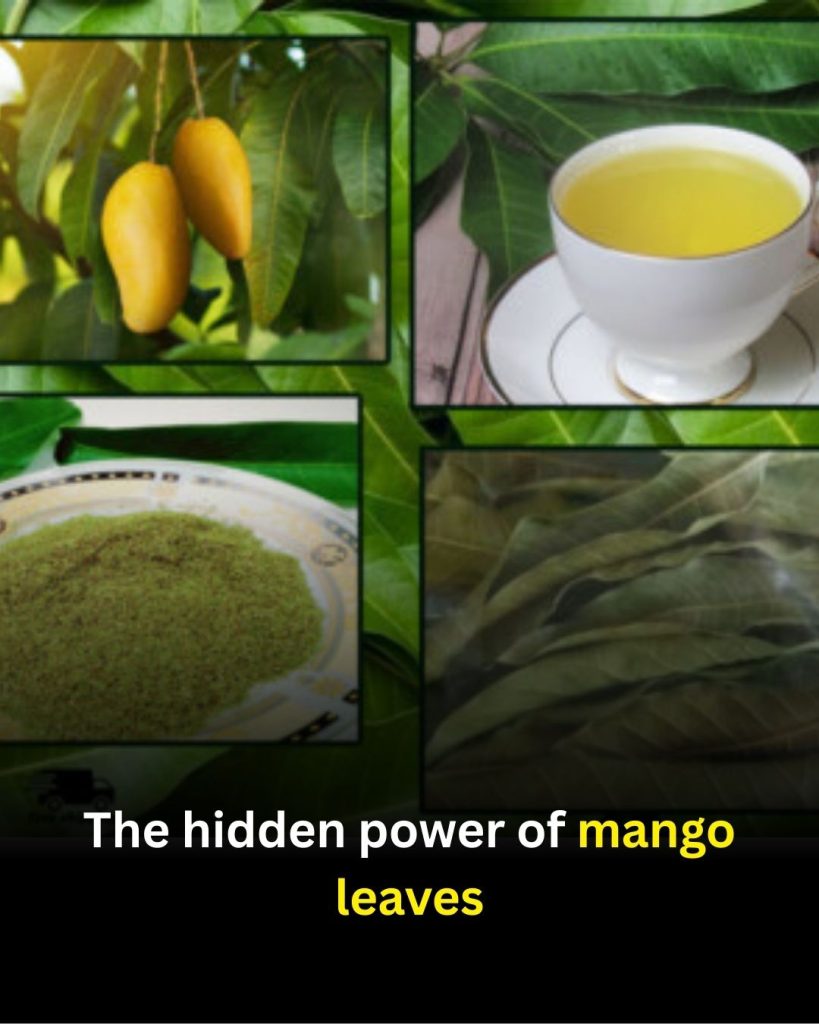

Mango leaves have been appreciated for generations in parts of Asia and Latin America as a natural plant ingredient. While often overlooked, these leaves contain a variety of plant-based compounds that have earned a place in traditional wellness practices. Many cultures have used them as part of balanced lifestyle routines rather than as a primary remedy. Today, interest in natural ingredients has renewed curiosity about their role in everyday wellness.
Mango leaves contain antioxidants, naturally occurring plant compounds, and small amounts of vitamins. These elements are commonly linked to general wellness support. Traditional practices associate mango leaves with maintaining normal blood sugar levels, supporting digestion, and promoting overall vitality. However, they are best viewed as a complementary addition to healthy habits such as balanced nutrition, hydration, and regular medical care.
Traditional Properties of Mango Leaves
Mango leaves include several plant compounds often discussed in nutrition and botanical research. Polyphenols and flavonoids are known antioxidants that help protect cells from everyday oxidative stress. Mangiferin is another natural compound studied for its supportive role in metabolic and inflammatory balance. The leaves also contain vitamins A, C, and E, which contribute to immune and eye health. Phenolic acids and tannins are traditionally associated with digestive comfort and microbial balance. These properties help explain their historical use in wellness traditions.
Commonly Cited Traditional Benefits
In traditional wellness contexts, mango leaves are associated with supporting normal blood sugar levels, cardiovascular wellness, circulation, and digestion. They are also sometimes used in routines meant to encourage relaxation, seasonal comfort, and general immune support. Some traditions connect them with skin and collagen maintenance as well as visual comfort. These associations come from historical and cultural practices and should not be viewed as medical claims. Mango leaves are not intended to diagnose, treat, or prevent disease.
Simple Traditional Preparations
Several gentle preparations are commonly mentioned in traditional use. A basic mango leaf infusion is made by simmering a small number of leaves in water and drinking it warm. Steam from boiled leaves is sometimes used for temporary respiratory comfort. A mild evening infusion may be used in relaxation routines. Some traditions also combine mango leaves with ingredients like carrot, fennel, or turmeric for a tea associated with eye comfort. These preparations are part of cultural practices rather than medical treatments.
Precautions for Responsible Use
Even natural ingredients should be used thoughtfully. Large amounts may cause stomach discomfort in some people. Anyone taking medication for blood sugar or blood pressure should speak with a healthcare professional before trying herbal routines. Pregnant or breastfeeding individuals should seek professional guidance, and very young children should only use herbal preparations with medical advice. Testing for allergies is also recommended before topical use.
Conclusion
Mango leaves have a long history in traditional wellness cultures and are valued as a gentle, plant-based addition to mindful living. When used in moderation and alongside healthy lifestyle habits, they can be part of a balanced approach to well-being. However, they should not replace professional medical care. Consulting a qualified health professional is always wise before introducing new herbal practices. Respecting natural ingredients and using them responsibly helps support long-term wellness.