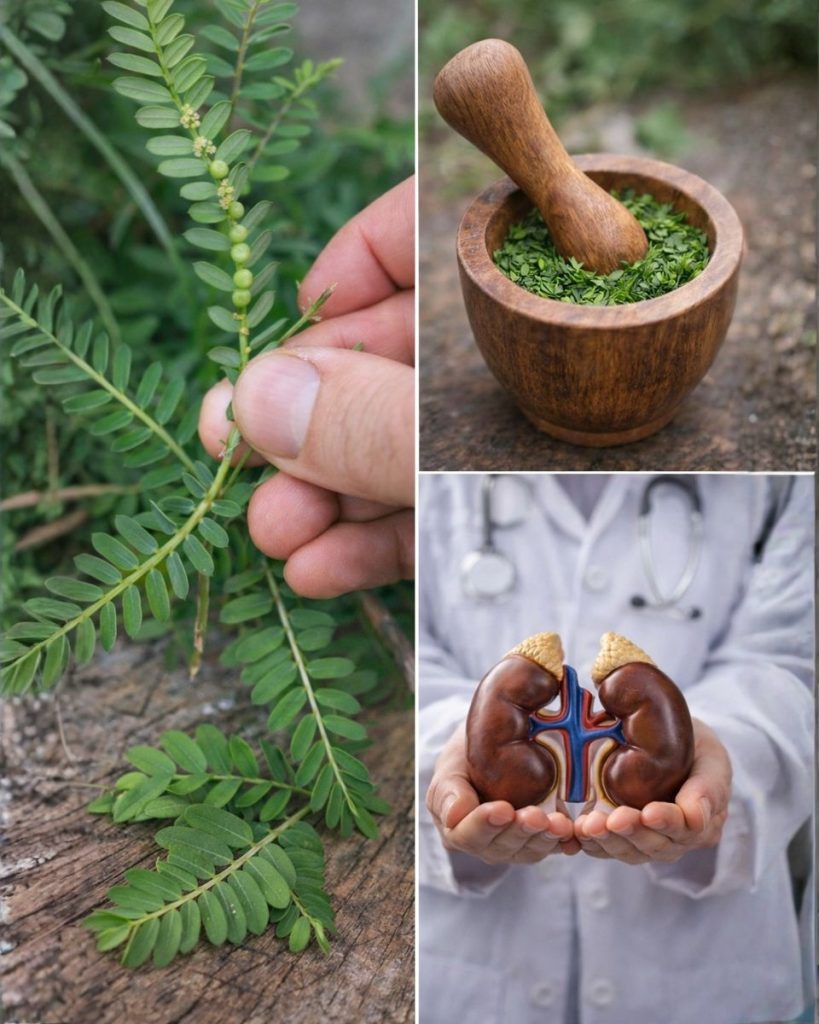

Mimosa pudica—often called the “sensitive plant” or “touch-me-not”—is best known for its fascinating ability to fold its leaves when touched. Yet beyond this unique behavior, the plant has drawn attention for generations in traditional wellness practices across Asia, Africa, and Latin America.
Rather than being viewed as a miracle cure, Mimosa pudica is traditionally valued as a supportive plant—used carefully to complement everyday wellness routines. In this guide, we explore its natural compounds, traditional applications, simple preparations, and important safety considerations.
🌿 Natural Compounds & Traditional Properties
Mimosa pudica contains several plant compounds that are commonly studied in herbal science:
-
Alkaloids – Traditionally associated with soothing and calming effects
-
Flavonoids – Known antioxidants that help protect cells from oxidative stress
-
Tannins – Naturally astringent compounds used in skin-support applications
-
Glycosides – Traditionally linked to gentle digestive support
-
Mimosine (in trace amounts) – Studied for antimicrobial activity when used responsibly
These compounds help explain why the plant has remained part of folk traditions for centuries.
🌱 Traditional Uses of Mimosa Pudica
1. Skin Comfort & Wound Care (External Use)
-
Fresh leaves are traditionally crushed and applied to minor skin irritations
-
Often used as part of herbal compresses or poultices
2. Joint & Muscle Comfort
-
Leaf infusions are sometimes used in traditional routines to ease physical discomfort
-
Typically consumed in small amounts and short cycles
3. Digestive Balance
-
In folk practices, mild teas are used occasionally to support regular digestion
-
Always used gently, not as a long-term solution
4. Intestinal Cleansing Traditions
-
Historically included in short herbal protocols for internal balance
-
Modern use emphasizes professional guidance and moderation
✨ Commonly Cited Traditional Benefits
-
Supports the body’s natural skin-repair process
-
Helps maintain comfort in joints and tissues
-
Contributes to digestive regularity when used sparingly
-
Traditionally valued for internal cleansing rituals
-
Associated with calming, grounding herbal practices
-
Provides antioxidant plant compounds
These benefits are based on traditional use and observational practices, not medical claims.
🍃 Simple Traditional Preparations
Herbal Paste for Skin Comfort
Ingredients:
-
Fresh Mimosa pudica leaves
-
Clean water
How to use:
Crush leaves into a paste and apply externally to clean skin. Cover lightly and rinse after use.
Gentle Herbal Infusion
Ingredients:
-
1 teaspoon dried Mimosa pudica leaves
-
1 cup hot water
Preparation:
Steep for 5–10 minutes, strain, and consume occasionally—never in excess.
Herbal Skin Rinse
Ingredients:
-
Fresh leaves
-
Water
Simmer briefly, strain, cool, and apply with a cotton pad as part of a minimalist skincare routine.
⚠️ Important Safety Notes
-
Pregnancy & breastfeeding: Not recommended
-
Long-term or high-dose use: Avoid without professional guidance
-
Sensitive digestion or chronic conditions: Consult a qualified practitioner
-
Children: Not advised
Natural does not always mean risk-free—moderation and awareness are essential.
🌼 Final Thoughts
Mimosa pudica is a fascinating plant that bridges botanical curiosity and traditional wellness wisdom. While its sensitive leaves capture attention, its long history of gentle, supportive use is what keeps interest alive today.
When approached mindfully and used in moderation, Mimosa pudica can be a thoughtful addition to a nature-inspired wellness lifestyle—always respecting personal health needs and professional advice.