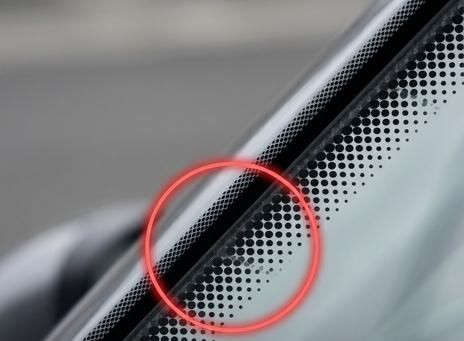

Most people see them every day but rarely think twice about them. Those small black dots around the edges of a car windshield may look like a simple design detail, but they actually serve several very important purposes.
At first glance, they seem decorative or easy to ignore. In reality, they are part of a smart design that helps hold the windshield in place, protects important materials from sun damage, improves durability, and even adds a bit of comfort while driving.
What Are the Black Dots on a Windshield?
The black border around the windshield, along with the fading pattern of small dots, is known as a frit. It is made from a special type of black enamel that is baked directly into the glass during manufacturing.
This section is not there just for appearance. It plays a practical role in how the windshield functions and how long it lasts.
They Help the Windshield Stay Secure
One of the main purposes of the black band is to help the windshield bond properly to the car.
Since glass has a very smooth surface, adhesive alone may not grip as effectively without support. The black frit creates a better surface for the adhesive to stick to, helping keep the windshield firmly attached to the vehicle.
This is especially important because modern windshields do much more than block wind and rain. They are now considered a structural part of the vehicle and contribute to the car’s overall strength and safety.
They Protect the Adhesive from Sun Damage
Another major function of the black border is protection from sunlight.
The adhesive that holds the windshield in place can weaken over time if it is exposed to too much heat and ultraviolet light. The black area acts like a shield, helping protect that adhesive from direct sun exposure.
This added protection can help prevent problems such as weakened seals, water leaks, or reduced windshield stability over time.
Why the Dots Fade Toward the Center
If you look closely, you will notice that the black dots become smaller and more spread out as they move inward. This gradual pattern is not random.
During production, the windshield is heated and shaped into its final curved form. The black-painted section absorbs heat differently than the clear glass. Without a gradual transition between the two areas, the glass could heat unevenly, which may create stress or distortion.
The dot pattern helps create a smoother heat transition, reducing the risk of warping, optical distortion, or cracks.
They Can Also Improve Driving Comfort
These black dots may also help reduce glare in certain situations. They are often placed near the top center of the windshield, around the area behind the rearview mirror.
In bright sunlight, especially when the sun is low, this pattern can slightly soften the brightness that enters through that part of the glass. While the effect may seem small, it can still make driving a little more comfortable.
They Help Hide Built-In Technology
In many newer vehicles, the windshield includes more than just glass. It may also house rain sensors, cameras, and driver-assistance systems.
The black area helps conceal these components from view, giving the windshield a cleaner look while also helping protect some of these parts from direct sunlight and excess heat.
A Small Detail with a Big Job
Those little black dots on your windshield may seem unimportant, but they are actually a clever and essential part of the design. They help improve safety, protect materials, reduce stress on the glass, and support modern vehicle technology.
It is a perfect example of how the smallest details in a car can make a much bigger difference than most people realize.