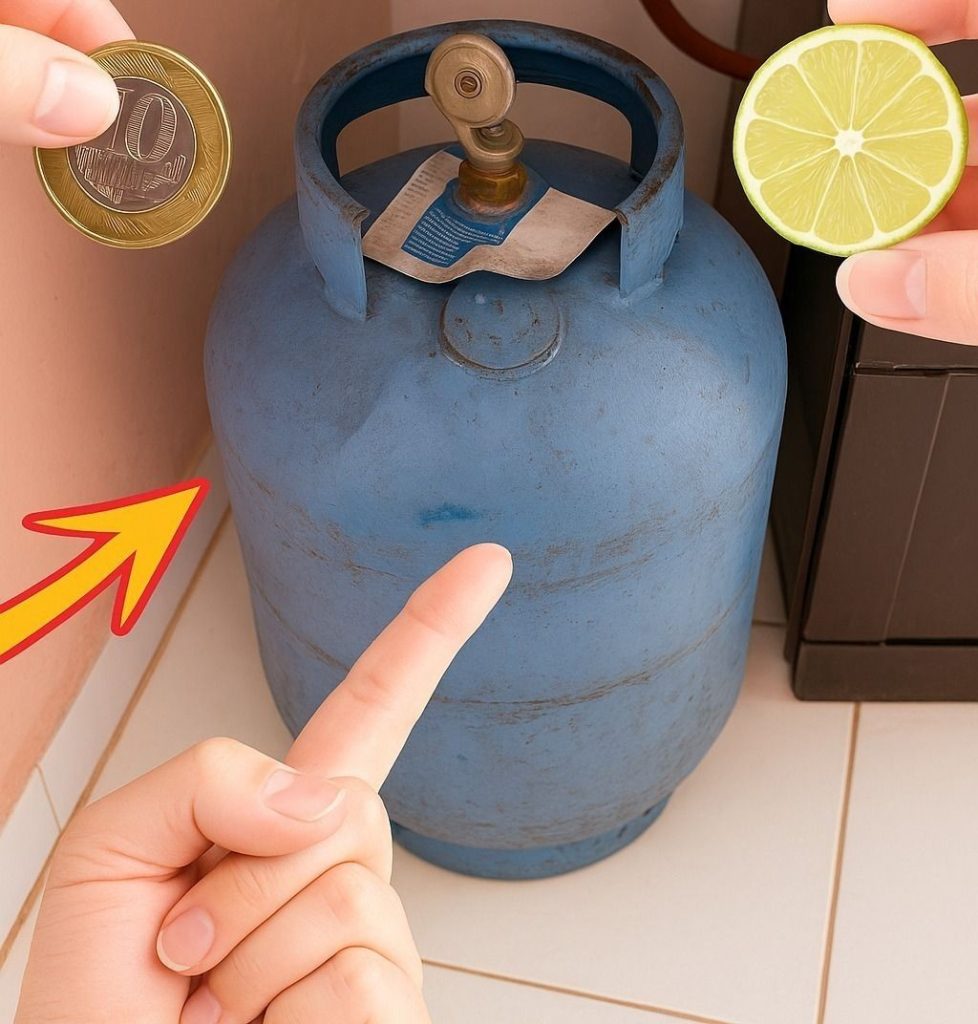

With household expenses rising, many families are looking for practical ways to save money wherever they can. One of the biggest areas where small changes can make a real difference is gas usage in the kitchen. The good news is that you do not always need major changes to see better results. In many cases, improving everyday habits and keeping your stove in good condition can help your gas last far longer than before.
A clean and properly working stove is one of the main secrets to reducing gas waste. When burners are dirty or partially blocked, the flame may not burn evenly. This means your stove has to work harder, and you end up using more gas than necessary just to cook the same meals.
Why Burner Maintenance Matters
Over time, grease, food residue, and dust can collect around the burners. This buildup can affect the flow of gas and lead to an uneven flame. If the fire is weak or irregular, cooking takes longer and gas consumption increases.
Keeping the burners clean helps improve efficiency and allows the flame to burn more steadily.
A Simple Way to Clean Stove Burners
Before starting, make sure the stove is completely turned off and cool.
Remove the burner grate and lid so you can access the burner area more easily. Add a small amount of lemon juice to the dirty areas, since lemon can help loosen grease naturally. Let it sit for a few minutes to soften the residue.
After that, gently wipe the burner parts with a cloth or soft brush. If the manufacturer’s instructions allow it, you can carefully clean visible openings without forcing anything inside. Dry everything thoroughly before putting the parts back together. Once reassembled, test the burner to make sure the flame is even and steady.
Simple Tips to Make Your Gas Last Longer
There are also a few daily habits that can help reduce gas use in a noticeable way.
Use the right pot for the right burner
A small pan placed on a large burner wastes heat and gas. Matching the cookware size to the flame helps improve efficiency.
Cook with lids whenever possible
Using a lid helps food cook faster by trapping heat inside the pot. This shortens cooking time and lowers gas consumption.
Take advantage of residual heat
You can often turn off the flame a few minutes before the food is fully done and let the remaining heat finish the cooking.
Check your stove regularly
Keeping the burners clean and making sure everything is working properly can prevent gas waste. If you suspect a leak or notice an unusual smell, contact a qualified technician right away.
Consider using a pressure cooker
Pressure cookers reduce cooking time significantly, which can help save a noticeable amount of gas over time.
Small Changes, Big Savings
Saving gas does not always come from one single trick. More often, it comes from combining regular maintenance with smarter cooking habits. A clean burner, the right cookware, and a few simple adjustments in your routine can all help your gas supply last longer and reduce monthly costs.
By following these practical tips, you can make your kitchen more efficient, spend less on fuel, and get more out of every gas cylinder.