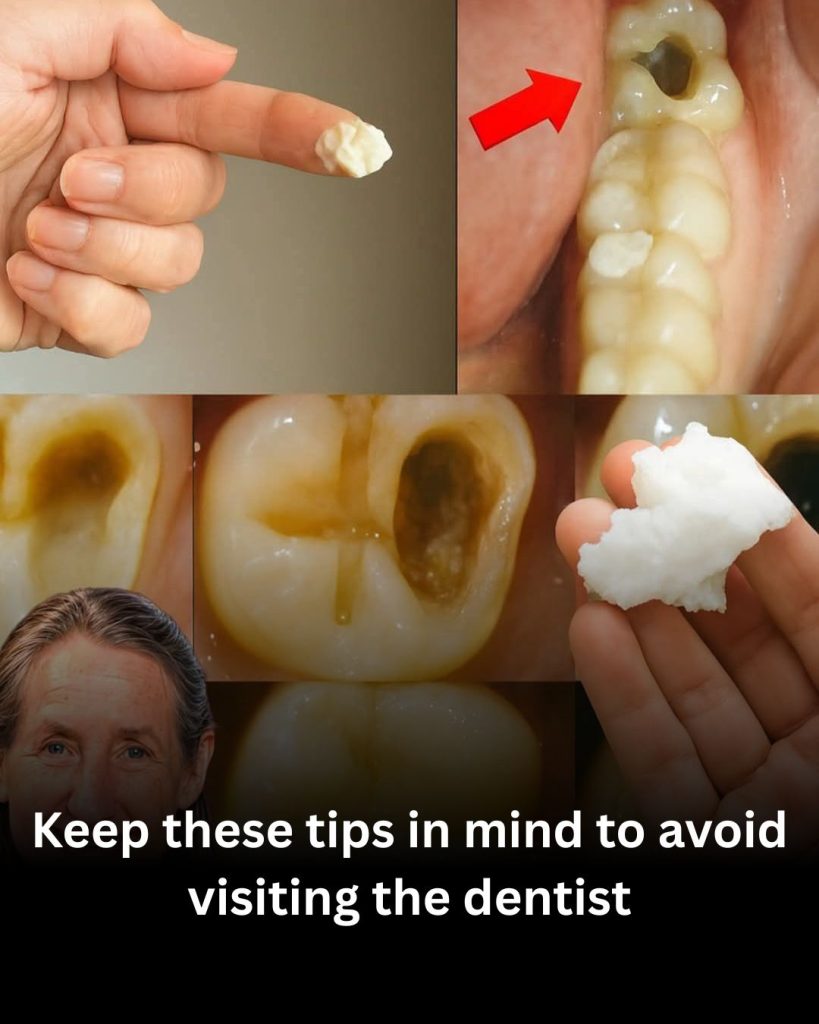

Have you ever felt a tiny sting when you drink something cold or sweet and instantly worry a cavity is forming? Or maybe you brush and floss but still feel like your teeth are getting weaker over time. It is frustrating, because your smile is not just about looks – it is about confidence, comfort, and overall health.
The truth is, most people only think about brushing and flossing when it comes to cavity prevention. Those are important, but they are not the whole story. Your daily habits, your food choices, and even how you breathe and hydrate quietly shape the future of your teeth.
The good news is that you can start supporting stronger teeth with simple, natural changes. You do not need complicated routines or expensive products. With the right knowledge and a bit of consistency, you can create an environment in your mouth where cavities struggle to develop in the first place.
In this guide, you will discover how to nourish your teeth from the inside out, how to calm down the bacteria that cause decay, and how to build a daily routine that helps keep your enamel strong and your smile bright for years to come.
This is not about perfection. It is about understanding how your mouth really works and using nature to your advantage.
How Cavities Really Form And Why Prevention Starts Before The First Pain
Most cavities do not appear overnight. They slowly develop in tiny stages long before you ever feel pain. Understanding this process helps you see why natural prevention is so powerful.
Inside your mouth, there is a constant battle between minerals leaving your teeth and minerals returning to them. Every time you eat or drink something sugary or very acidic, bacteria in your mouth feed on these sugars and release acids. These acids can slowly dissolve the outer layer of your teeth, called enamel.
If this demineralization happens too often and your body does not have enough time or nutrients to repair the damage, weak spots can turn into cavities. On the other hand, when your saliva is rich in minerals and your diet supports enamel, your teeth can naturally remineralize between meals.
Think of it this way: every snack, sip, and habit either pushes your teeth toward strength or toward sensitivity and decay. That is why prevention is not just one product or one action. It is a lifestyle that gently protects your mouth all day long.
Feed Your Teeth From The Inside: Minerals, Fats, And Real Food
Your teeth are living structures supplied by blood vessels and nerves. They respond to what you eat just as much as your skin, hair, and bones do. When your body lacks key minerals and vitamins, your enamel can become weaker and more vulnerable to acids and bacteria.Focusing on nutrient-dense foods is one of the most natural ways to support strong teeth. Some of the most helpful nutrients include:
Calcium to help maintain hard, resilient enamel. You can find it in leafy greens, sesame seeds, plain yogurt, and some cheeses.
Phosphorus to work alongside calcium in protecting tooth structure. Eggs, wild-caught fish, and almonds are excellent sources.
Healthy fats to help your body absorb fat-soluble vitamins that are essential for oral health. Avocado, olive oil, coconut oil, and grass-fed butter can make a big difference.
You do not need a complicated diet. Even small shifts can help, such as:
Adding a spoonful of plain yogurt or a handful of almonds as a snack instead of reaching for cookies.
Using olive oil or coconut oil instead of refined vegetable oils when cooking.
Tossing spinach, kale, or other greens into soups, stir-fries, or smoothies to gently increase mineral intake.
Over time, these choices can help your saliva carry more of the building blocks your teeth need to stay strong.
The Hidden Role Of Phytic Acid And How To Work Around It
Many healthy foods like grains, nuts, seeds, and legumes are rich in fiber and plant compounds, but they also contain something called phytic acid. Phytic acid can bind to minerals like calcium, magnesium, and zinc, making them harder for your body to absorb.
This does not mean you must avoid these foods completely. It simply means preparing them wisely so your body can get more of their minerals. Traditional methods of preparation can reduce phytic acid and support better absorption. For example:
Soaking beans and lentils before cooking helps neutralize part of the phytic acid and improves digestion.
Sprouting certain seeds and legumes can boost nutrient availability and reduce the mineral-binding effects.
Rotating your plant-based protein sources instead of relying on large amounts of raw nuts or seeds every single day keeps your diet more balanced.
By combining mineral-rich foods with smart preparation methods, you help your body absorb more of what your teeth truly need.
Sugar, Processed Foods, And The Constant Acid Attack On Your EnamelMost people think “candy causes cavities” and leave it at that. But the real issue is not just obvious sweets. It is the repeated exposure of your teeth to sugars and refined carbohydrates throughout the day.
Every time you sip on a sugary drink, chew on a sweet snack, or even eat certain processed “healthy” bars or crackers, bacteria in your mouth produce acids that stay active for many minutes. If this happens over and over from morning to night, your enamel barely has time to recover.
Common everyday habits that quietly wear down your teeth include:
Frequent snacking on chips, crackers, or sweetened granola bars.
Sipping on sweetened teas, fruit juices, flavored coffees, or sodas over long periods.
Eating sticky sweets or dried fruits that cling to your teeth and keep feeding bacteria.
To naturally reduce your cavity risk without feeling deprived, you can:
Enjoy naturally sweet foods like fresh fruit with meals instead of by themselves all day long.
Drink plain water between meals and after snacks to help rinse away food particles.
Save sugary treats for special moments and enjoy them in one sitting instead of grazing for hours.
Your goal is not to completely remove pleasure from eating. It is to shorten the amount of time your teeth are under acid attack and to give your mouth long “rest periods” where saliva can work to repair and protect.
Saliva: Your Mouth’s Natural Defense And How To Support It
Saliva is one of the most underrated heroes of oral health. It does much more than simply keep your mouth moist.
Saliva helps neutralize acids produced by bacteria.
It washes away food debris so they do not linger in hard-to-reach places.
It carries minerals like calcium and phosphate that can naturally strengthen weakened enamel spots.
When your mouth is dry, your cavity risk rises. Many everyday factors can reduce saliva flow, such as not drinking enough water, breathing through your mouth instead of your nose, high stress, and some medications.
To support healthy saliva flow, you can:
Sip water regularly throughout the day instead of only when you feel very thirsty.
Choose water or herbal infusions instead of constantly drinking sweetened beverages.
Practice nasal breathing whenever possible and address chronic mouth breathing with a healthcare provider if needed.
Include crunchy, water-rich foods such as cucumbers, celery, and apples, which stimulate chewing and support saliva production.
Sometimes the simplest habit, like keeping a glass or bottle of water nearby, can quietly protect your teeth all day long.
Daily Natural Rituals For Cleaner Teeth And Fresher Breath
Brushing and flossing will always be basic pillars of oral hygiene, but you can turn them into a more powerful, natural routine by pairing them with gentle supportive practices.
Brushing softly twice a day keeps plaque under control without scratching or thinning your enamel. Choose a soft-bristled brush and let the bristles, not your arm strength, do the work.
Flossing once a day removes food and bacteria where your toothbrush simply cannot reach, especially between teeth and near the gumline.
Using a gentle, natural or fluoride-free toothpaste if you prefer a more holistic approach can help clean the teeth without aggressive foaming agents. Look for pastes that focus on mild ingredients and enamel support.
Oil pulling with a spoonful of coconut oil can help reduce the bacterial load in your mouth. Many people like to swish for a few minutes in the morning before brushing. If you try this, spit the oil into a trash bin rather than the sink to avoid clogging pipes.
Gently cleaning your tongue with a tongue scraper or the back of your toothbrush can help remove odor-causing buildup and refresh your breath.
None of these habits are complicated. The key is consistency. When repeated day after day, they create a clean, low-bacteria environment where cavities have less chance to develop.
Lifestyle Factors You Might Not Realize Affect Your Teeth
Your mouth does not work in isolation from the rest of your body. Many lifestyle habits that affect your energy, sleep, and stress also influence your oral health.
Chronic stress can change your saliva flow, drive you to snack more often, or even cause teeth grinding during the night. Grinding slowly wears down enamel and can lead to sensitivity and cracks. Relaxation practices, deep breathing, and better sleep routines can ease these patterns over time.
Poor sleep quality is linked to mouth breathing, dry mouth, and increased inflammation in the body. Supporting better sleep by having a calming bedtime routine, limiting screens before bed, and keeping a regular schedule can indirectly benefit your teeth.
Smoking and excessive alcohol intake can dry out the mouth, stain teeth, weaken gum health, and make it harder for your body to repair tissues. Reducing or quitting these habits has a major positive impact not just on your smile, but on your entire body.By looking at your teeth as part of your whole health, you can see how small changes ripple outward. A calmer nervous system, better hydration, and more sleep-friendly habits all support a stronger mouth.
Why Natural Prevention Still Needs Professional Checkups
Natural strategies are powerful, but they are not meant to replace professional dental care. Even if your teeth feel fine, there can be early changes that only a trained eye and proper tools can detect.
Regular cleanings help remove hardened tartar that brushing and flossing cannot fully handle. This reduces the risk of gum disease and gives your dentist a chance to observe any subtle changes in your enamel.
You should consider visiting a dentist if you notice:
Persistent sensitivity to hot, cold, or sweet foods.
Visible dark spots, holes, or rough areas on your teeth.
Bleeding, swollen, or tender gums when brushing or flossing.
Bad breath that does not improve with cleaning and hydration.
Early attention often means simpler, less invasive treatment. Natural prevention and professional care work best as partners, not as competitors.
Creating Your Personal Tooth-Strengthening Routine
Every mouth is unique, but you can build a simple daily framework that supports strong teeth in a natural, sustainable way. Here is a gentle structure you can adapt to your own life:
In the morning, start by hydrating with water to wake up your saliva, then brush your teeth gently and include tongue cleaning. If you enjoy oil pulling, you can do it before brushing.
At meals, focus on eating real, nutrient-dense foods that include minerals and healthy fats. Aim to chew your food well, enjoy crunchy vegetables, and limit very sugary or sticky treats.Between meals, reach for water instead of sweet drinks and avoid constant snacking. Give your enamel time to rest and recover.
In the evening, take a few extra moments to brush thoroughly and floss carefully. This simple ritual signals to your body that it is time to repair, restore, and rest.
You do not have to implement everything at once. Start with one or two changes that feel achievable and build from there. Over time, these small habits become automatic, and your smile benefits in a quiet but powerful way.
A Gentle Reminder: Your Smile Reflects How You Care For Yourself
Your teeth tell a story about how you live, eat, and care for your body. Cavities do not mean you have failed. They are simply a sign that something in the environment of your mouth needs more support.
By nourishing your body with mineral-rich foods, respecting your saliva, calming sugar attacks, and practicing consistent oral care, you are giving your teeth the chance to stay strong for the long term. You are also investing in your confidence every time you speak, laugh, or smile.
Think of each meal, each glass of water, and each two-minute brushing session as a small gift to your future self. Natural prevention will not happen in a single day, but it will reward you day after day as your habits settle into place.
Your smile deserves patience, attention, and kindness. When you combine nature’s support with professional guidance, you create the best possible foundation for healthy teeth and a brighter, more comfortable life.