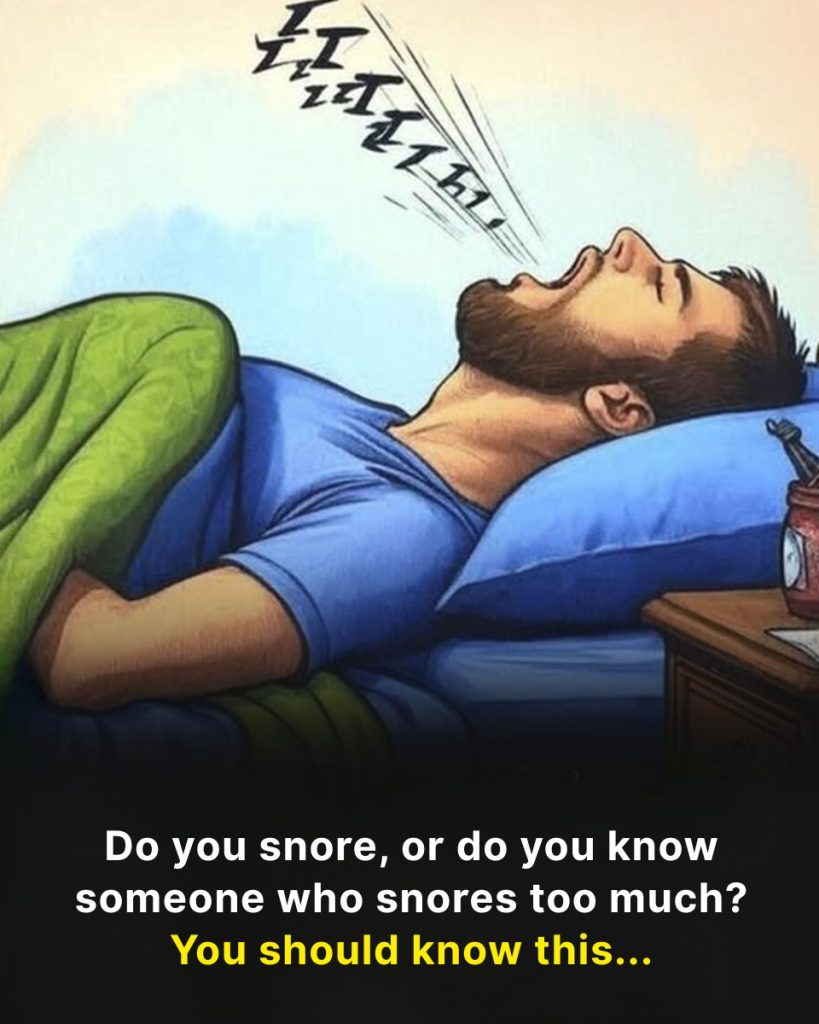

Snoring is a situation that is both very common and frequently underestimated.
Many times it is treated with humor or resignation, but the truth is that persistent snoring can directly affect sleep quality, daily well-being, and family or couple relationships. Behind that harsh nighttime sound, there is not only an auditory annoyance, but also physical factors and everyday habits that are worth understanding in order to address the issue in time.
What Causes Snoring?
From an informational perspective, snoring occurs when air does not flow freely through the nose and throat during sleep. This difficulty causes the soft tissues to vibrate, producing the characteristic noise. This phenomenon can appear occasionally or become a frequent problem, regardless of age or gender. Both younger and older people can be affected, and in many cases the issue worsens over time.
The Most Common Risk Factors
Among the most common causes is excess weight, since extra fatty tissue around the neck can narrow the airways. Sleeping position also plays a significant role. Sleeping on your back allows the tongue and soft palate to fall backward, making it harder for air to pass through. Other contributing factors include alcohol or sedative use, which overly relax the throat muscles, and nasal congestion caused by allergies, colds, or structural issues such as a deviated septum.
Beyond the sound itself, snoring can be a sign that sleep is not truly restorative. Many people who snore heavily wake up several times during the night without realizing it, leading to daytime fatigue, poor concentration, irritability, and reduced performance. This also affects those who share the bedroom, disrupting their rest and, over time, their patience.

Natural and Practical Ways to Reduce Snoring
The good news is that in many cases there are natural and practical solutions that can significantly reduce snoring. One of the most effective changes, when appropriate, is weight loss. This does not mean extreme measures, but rather adopting healthier habits that reduce pressure on the airways and improve overall health.
The Importance of Sleeping Position
Another simple but key adjustment is sleeping on your side. This position allows air to flow more easily and reduces tissue vibration. Many people use simple tricks to avoid rolling onto their back during the night, such as placing a pillow behind their back or slightly adjusting their position with the help of bedding.
Sleep Hygiene Matters
Sleep hygiene also plays a fundamental role. Keeping regular sleep schedules, creating a calm, dark, and quiet environment, and avoiding screens before bedtime all contribute to deeper, more stable rest. Likewise, avoiding alcohol and sedatives at night can make a noticeable difference, as these substances increase muscle relaxation and worsen snoring.
Hydration and Nasal Care
Proper hydration is another often overlooked factor. When the body is dehydrated, nasal secretions become thicker, making airflow obstruction more likely. Drinking enough water throughout the day helps keep the airways clearer.
For people with frequent congestion, saline nasal rinses, the use of humidifiers, or proper bedroom ventilation can significantly improve nighttime breathing. There are also simple tongue and throat exercises that, when done consistently, strengthen the muscles and reduce the vibration responsible for the noise.
The Role of Pillows and Bed Position
Choosing the right pillow is also important. Keeping the neck aligned and slightly elevated promotes smoother breathing and helps prevent the tongue from blocking the airway. In some cases, slightly elevating the head of the bed can provide additional benefits.
When to Seek Medical Advice
It is important to note that if snoring is accompanied by pauses in breathing, gasping, morning headaches, or excessive daytime sleepiness, it may indicate a more serious condition such as sleep apnea, which requires medical evaluation.
The Emotional and Social Impact
Finally, the emotional and social impact of snoring should not be underestimated. Chronic poor sleep can create tension between partners and affect the quality of the relationship. Talking about the issue without blame and looking for solutions together is an essential step.
A Signal Worth Paying Attention To
In short, snoring is not just a nighttime nuisance. It is a sign that something in daily habits or overall health could be improved. With consistency, small changes, and attention to the body’s signals, it is possible to move toward quieter, deeper, and healthier sleep, benefiting both the person who snores and those around them.