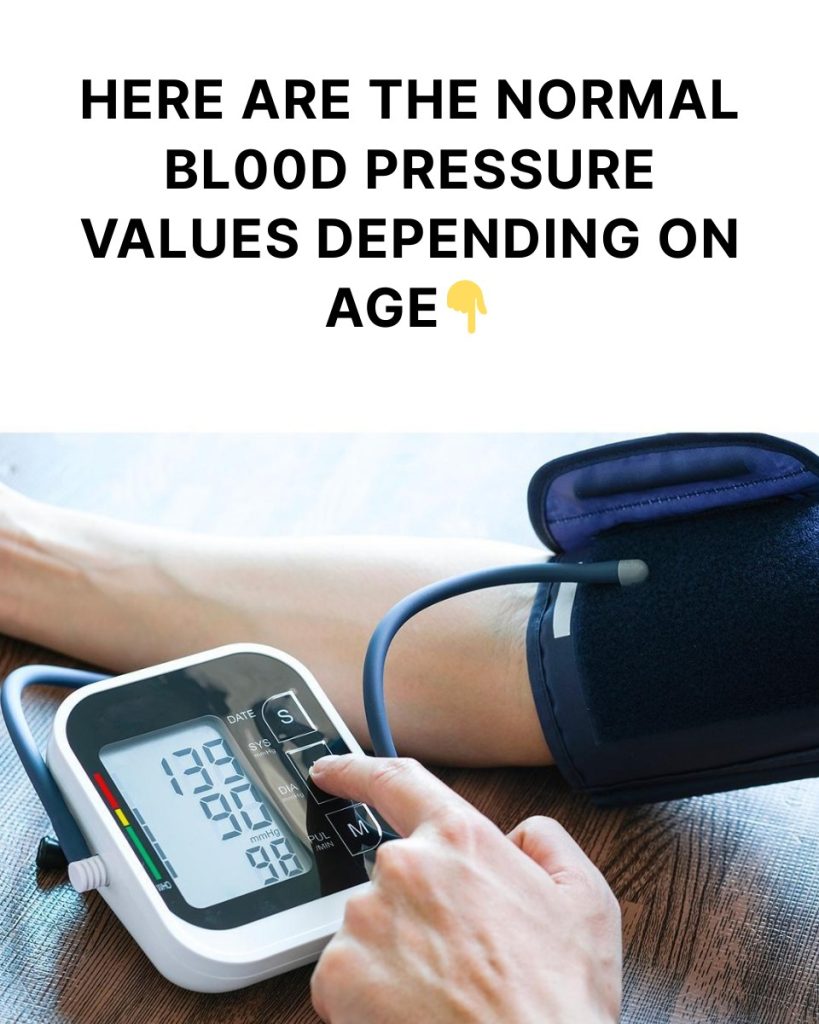

Regularly checking your blood pressure is essential for monitoring cardiovascular health. But what values are considered “normal”? And more importantly, do they change with age?
The answer is yes. While there is a general reference range for the overall population, it’s important to know that blood pressure values tend to change naturally as we get older. Below is a complete guide to help you understand these variations.
What is blood pressure?
Blood pressure is the force with which blood flows through the arteries. It is measured using two values:
- Systolic (upper number): the pressure when the heart contracts
- Diastolic (lower number): the pressure when the heart relaxes
A reading is generally considered normal around 120/80 mmHg, but acceptable ranges can vary depending on age, sex, lifestyle, and any existing medical conditions.
Indicative blood pressure values by age
Age range and recommended normal blood pressure (mmHg)
- 18–29 years: 115–120 / 75–80
- 30–39 years: 120–125 / 78–82
- 40–49 years: 125–130 / 80–85
- 50–59 years: 130–135 / 80–86
- 60–69 years: 135–140 / 85–88
- Over 70 years: up to 140–145 / 85–90 (generally tolerated)
Note: These values are indicative and do not replace a medical evaluation. Each person has unique characteristics.
When is blood pressure considered high or low?
According to the World Health Organization and European guidelines:
- Grade 1 hypertension: 140/90 mmHg or higher
- Hypotension: values below 90/60 mmHg
Blood pressure that is too low can also cause problems, such as dizziness, chronic fatigue, and fainting.

Why does blood pressure change with age?
As we age:
- Arteries become less elastic
- The heart may have to work harder to pump blood
- The body’s blood pressure regulation mechanisms slow down
For this reason, slightly higher blood pressure values after age 60 are considered normal or at least acceptable, as long as there are no symptoms or related medical conditions.
Tips for keeping blood pressure under control
- Follow a low-salt diet rich in fruits and vegetables
- Maintain a healthy weight
- Engage in moderate but regular physical activity
- Reduce alcohol consumption and quit smoking
- Monitor your blood pressure regularly at home or at a pharmacy
Blood pressure values do vary with age, but even small fluctuations should not be ignored—especially if they occur frequently. Measuring your blood pressure consistently and knowing your personal reference values is the first step toward preventing heart disease, stroke, and vascular complications.