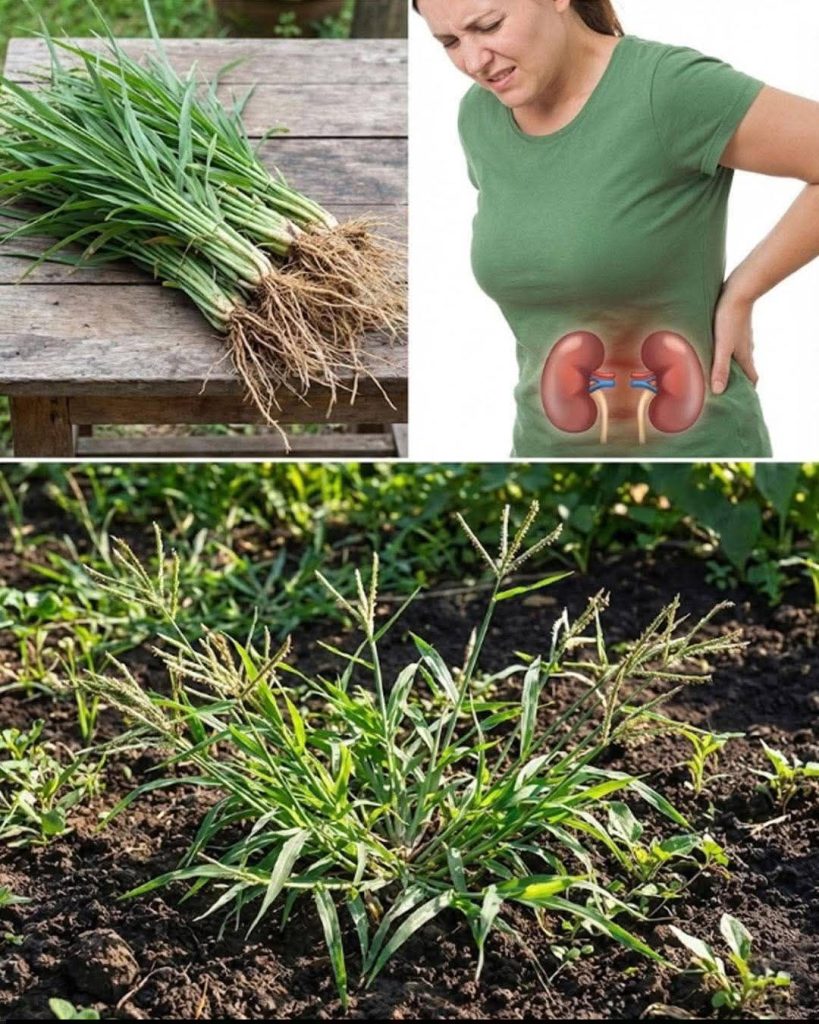

Often dismissed as a sticky garden weed that clings to clothes and pet fur, goosegrass — also called cleavers, sticky willy, or catchweed — has a long history of use in traditional herbal practices in parts of Europe, Asia, and North America. That said, herbal tradition is not the same as medical proof, and effects can vary by person. Below are 25 commonly mentioned traditional uses and possible wellness-supporting roles of goosegrass.
1. Supports Lymphatic Flow
Goosegrass is traditionally used to support lymphatic circulation, which some people use for feelings of swelling or “congestion.”
2. Traditionally Used as a Mild Diuretic
It has been used to encourage urine output, which may support normal fluid balance.
3. Used in Traditional Support for Urinary Comfort
Some herbal traditions use it to support urinary tract comfort, especially alongside hydration and other supportive habits.
4. May Help With Temporary Water Retention
Because it’s traditionally used as a diuretic, some people use it for occasional bloating related to fluid retention.
5. Traditional Kidney Support Use
Herbal sources sometimes mention goosegrass as supportive for kidney comfort, though anyone with kidney concerns should seek medical guidance.
6. Traditionally Used for Soothing Inflammation
Goosegrass has been used in herbal practice for calming irritated tissues.
7. Used Topically for Skin Comfort
In folk use, it’s applied as a wash or compress for common skin irritation.
8. Traditional Wound-Care Poultice
Crushed fresh goosegrass has been used on minor scrapes as part of traditional first-aid practices (alongside proper cleaning).
9. Used in Gentle Detox Traditions
Some traditions include goosegrass in seasonal wellness routines aimed at supporting the body’s normal elimination processes.
10. Traditional Support for Male Urinary Symptoms
Some herbalists include it in blends used for mild urinary frequency concerns that can occur with age.
11. Used in Fluid-Balance Routines
Because fluid balance can influence blood pressure for some people, it is sometimes included in traditional “circulation” or “pressure” support blends.
12. Used for Throat Comfort
Goosegrass tea or gargles have been used traditionally to soothe a scratchy throat.
13. Traditional Use for Swollen Tonsil Discomfort
Herbal traditions sometimes mention it for soothing throat and tonsil discomfort, especially as a warm tea.
14. Immune-Support Tradition
Some people use it in springtime blends intended to support overall immune function through general wellness support.
15. Mild Digestive Support Use
In some traditions, it’s described as supporting regularity and gentle digestive comfort.
16. Used in “Skin Texture” Blends
Some herbalists include goosegrass in routines for the appearance of puffiness or uneven skin texture related to fluid retention.
17. Traditional Support for Mild Indigestion
Goosegrass tea is sometimes used for mild digestive upset.
18. Used in Traditional Joint-Comfort Routines
Some traditions use it as part of wellness routines aimed at supporting comfort during occasional joint irritation.
19. Traditional Fever-Support Use
Historically, it has been used during fevers as part of supportive care routines (hydration and rest remain essential).
20. “Clear Skin” Tradition
Some people drink goosegrass tea in traditional practices aimed at supporting clearer-looking skin.
21. May Support Reduced Bloating
By supporting fluid balance, it may help reduce temporary puffiness for some individuals.
22. Traditionally Used to Support Circulation
Some herbal traditions associate lymph and circulation support with overall vitality.
23. Used for Itchy Skin Comfort
Topical use as a wash or compress is sometimes mentioned for itching and mild rash discomfort.
24. Notes About Pet Use
Some herbalists discuss goosegrass infusions for pets, but pet health is sensitive — consult a veterinarian before giving any herb to dogs or cats.
25. Edible Greens in Some Traditions
Tender shoots and leaves are sometimes eaten in small amounts as seasonal greens, often blended into soups or smoothies.
How to Use Goosegrass
Tea: Steep about 2 teaspoons of fresh or dried goosegrass in hot water for around 10 minutes.
Tincture: Use only as directed by a qualified herbal professional.
Poultice: Crush fresh leaves and apply to minor skin irritation (avoid open, serious wounds).
Salad green: Young shoots can be added raw to spring salads if properly identified and cleaned.
Precautions
Avoid using goosegrass during pregnancy or breastfeeding unless a healthcare professional approves.
If you have kidney disease, take diuretics, blood pressure medication, or other prescription medicines, consult a clinician before using diuretic herbs.
Only harvest from clean areas (not roadsides, polluted zones, or chemically treated lawns).
Make sure the plant is correctly identified, since lookalikes exist.
Though often considered an annoying weed, goosegrass has a notable place in traditional herbal history. Whether used as a tea, applied topically, or eaten as a seasonal green, it has been valued in folk practices for centuries. For safety, treat it as a supportive herbal option rather than a cure, and seek professional advice if you have medical conditions or take medications.