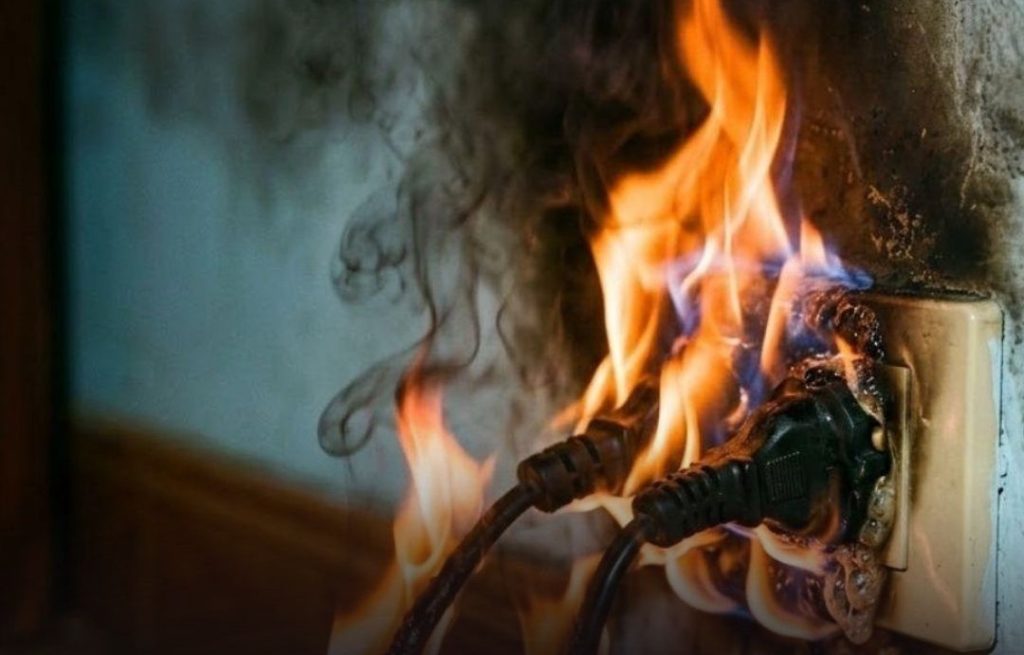

Many people assume that once an appliance is turned off, it stops using electricity completely. In reality, that is not always the case. A surprising number of household devices continue drawing small amounts of power even when they are not in use.
This is often called standby power or phantom energy. While it may seem minor, it can quietly increase your electricity bill over time. In some cases, leaving certain appliances plugged in can also create unnecessary safety risks.
Getting into the habit of unplugging a few common items can help protect your home, reduce wasted energy, and even extend the life of your appliances.
1. Toasters and Toaster Ovens
Toasters are used quickly and then often forgotten on the counter until the next morning. But crumbs can build up inside over time, and those crumbs sit close to heating elements.
Even when the toaster is switched off, leaving it plugged in means it is still connected to power. If there is an electrical fault or power surge, that can increase the risk of overheating or fire. This is especially important because toasters are often placed near cabinets, paper towels, or other flammable kitchen items.
Cleaning out crumbs regularly and unplugging the toaster after use is a smart safety habit.
2. Coffee Makers
Coffee makers are another appliance people often leave plugged in all day. Even after brewing is finished, many models continue using electricity to power digital clocks, indicator lights, or warming functions.
This constant energy use may seem small, but it adds up over time. It can also put extra stress on the machine’s internal parts. Unplugging your coffee maker after use can help reduce unnecessary power consumption and lower the risk of overheating.
3. Air Fryers
Air fryers have become a favorite in many kitchens because they are quick and convenient. However, many models use digital displays and memory functions that stay active as long as the unit is plugged in.
That means they can keep drawing electricity even when they are sitting unused. In addition, grease and food residue can build up over time, which makes it even more important to use the appliance carefully.
After the air fryer cools down, unplugging it and keeping it clean can help improve both safety and efficiency.
4. Space Heaters
Space heaters should always be treated with extra caution. These appliances generate a lot of heat and use a high amount of electricity. Even when turned off, some models can still pose a risk if they remain plugged in.
This is especially true in homes with pets, children, curtains, blankets, or other nearby materials that could catch fire. Unplugging a space heater after every use is one of the simplest and most effective ways to reduce risk.
5. Microwaves
Microwaves may not seem like a major source of wasted electricity, but many of them run digital clocks and internal systems constantly. That means they continue using power around the clock, even when they are not being used.
Older microwaves may also develop electrical issues over time. While the risk is usually low, unplugging the microwave during long trips or extended periods away from home can offer extra peace of mind.
Extra Tips for a Safer Home
Unplugging appliances is a good step, but a few other habits can also make your home safer:
Check cords regularly for fraying or damage.
Avoid overloading outlets and power strips.
Keep heat-producing appliances away from anything flammable.
Clean appliances often to prevent grease, crumbs, and dust buildup.
Test your smoke detectors regularly.
Final Thoughts
Unplugging appliances may seem like a small task, but it can make a real difference over time. It helps reduce wasted electricity, lowers the chance of electrical problems, and encourages safer habits at home.
You do not have to unplug everything in the house at once. Start with a few of the most common appliances, and make it part of your routine. Small habits like this can help protect both your home and your wallet.